
In the competitive sportswear market, brands need more than attractive designs to build a successful product line. They must deliver consistent product quality, meet the expectations of different customer groups, manage production costs, and introduce new collections at the right time. For businesses that want to expand without investing in their own manufacturing facilities, OEM and ODM sportswear manufacturing can provide a practical path to product development and business growth.
From custom soccer jerseys and basketball uniforms to training kits and multi-sport teamwear, working with an experienced manufacturing partner helps brands turn product ideas into commercially viable collections. Understanding the differences between OEM and ODM manufacturing, as well as how each model supports product development, can help businesses choose a suitable strategy for long-term growth.
OEM and ODM are two common manufacturing models used by sportswear brands, distributors, and private label businesses. Although they can overlap in practice, they generally serve different product development needs.
OEM, or Original Equipment Manufacturing, typically involves producing garments according to specifications supplied or approved by the customer. The brand may provide its own designs, technical packs, fabric requirements, color standards, size charts, and branding elements. The manufacturer then produces the sportswear according to the agreed requirements.
ODM, or Original Design Manufacturing, generally involves a manufacturer providing existing design options or supporting product development based on its available capabilities. The customer can then select and customize suitable designs, materials, colors, and branding details according to the project scope.
For example, a sportswear brand with a complete soccer jersey design may prefer an OEM arrangement. A newer brand that needs help developing a coordinated collection of training shirts, shorts, and team uniforms may benefit from ODM-style development support.
Before choosing either model, businesses should clarify the manufacturer's actual service scope, design responsibilities, customization options, and ownership arrangements for any custom-developed work.
Developing a sportswear collection requires investment in product design, materials, sampling, production equipment, quality management, and skilled personnel. Establishing all these capabilities internally can create substantial operational demands, especially for emerging brands.
Working with an OEM or ODM sportswear manufacturer allows a brand to focus more resources on market positioning, sales, customer relationships, and product strategy while collaborating with an external partner on manufacturing.
This arrangement may help businesses develop several related product categories, including:
Custom soccer jerseys and football kits
Basketball jerseys and shorts
Baseball uniforms and team jackets
Volleyball and tennis uniforms
Training shirts, shorts, and coordinated training kits
Custom teamwear for clubs, academies, and sports organizations
A broader product portfolio can help brands serve customers with different needs and create opportunities for repeat orders. However, each new category should be evaluated according to its target audience, technical requirements, demand potential, and production feasibility.
Rather than launching every possible product at once, brands can begin with a core category, assess customer feedback, and expand the collection in stages.
Product differentiation is essential in a market where many suppliers offer similar garment categories. A brand needs a recognizable identity that extends beyond its logo.
OEM and ODM sportswear manufacturing can support differentiation through customized colors, garment cuts, fabric choices, graphic patterns, printing techniques, labels, and packaging.
For teamwear brands, customization may include club colors, team crests, sponsor logos, player names, and numbers. For private label businesses, it may involve developing consistent branding across multiple products and creating a coordinated visual style for the entire collection.
The key is to connect customization decisions with the intended customer and market position. A performance-focused sportswear line may prioritize lightweight fabrics, moisture management, mobility, and durability. A club-focused collection may place greater emphasis on team identity, size availability, and coordinated designs across different garments.
Brands should work with their manufacturing partner to document the specifications for each product. Clear artwork files, color references, measurements, fabric details, and decoration instructions help reduce misunderstandings during sampling and production.
A product concept must pass through several stages before it becomes a finished garment ready for sale. These stages may include design confirmation, fabric selection, pattern development, sample production, fit evaluation, revisions, bulk production, and final inspection.
An organized OEM or ODM process can help brands coordinate these steps more effectively.
For OEM projects, providing a complete technical pack can make development more straightforward. Important details may include fabric composition, garment measurements, stitching requirements, print placement, color standards, and packaging instructions.
For ODM projects, the early discussion may focus more on available design options, target price, intended use, customization requirements, and the changes needed to align a standard design with the brand's identity.
In both cases, sample approval is a critical checkpoint. Brands should evaluate fit, comfort, construction, fabric performance, print quality, and overall appearance before authorizing bulk production.
A structured development process does not eliminate every production risk, but it can help identify specification gaps earlier and reduce avoidable revisions.
Expanding a product line introduces new quality management challenges. Different garments may use different fabrics, stitching methods, printing processes, and construction details. Without clear standards, quality can vary between styles or production batches.
A professional manufacturing arrangement should define product specifications and inspection requirements before production begins.
Depending on the garment and project, quality management may include:
Incoming inspection of fabrics and accessories
Verification of colors, logos, and artwork placement
Measurement checks against approved size charts
Inspection of stitching, seams, and garment construction
Assessment of printing quality and decoration durability
Final inspection before packing and shipment
For teamwear brands, size consistency is particularly important because a single order may include many players and several garment sizes. Reorders can create additional challenges when the original product needs to be reproduced months later.
Brands should establish reference samples, maintain approved technical specifications, and agree on acceptable quality criteria with their manufacturing partner.
When developing several categories through OEM or ODM services, a shared quality framework can also help maintain a consistent brand experience across the collection.
Manufacturing costs influence pricing, margins, and the ability to compete in the market. OEM and ODM arrangements can provide different ways to manage these costs, depending on the product design, customization level, order volume, and manufacturing requirements.
Highly customized OEM products may require additional development work, specialized materials, or unique production steps. ODM products based on existing designs may reduce some development requirements, although extensive customization can still affect cost and lead time.
When comparing quotations, brands should evaluate more than the unit price. Relevant cost factors may include:
Sample development and revisions
Fabric composition and material quality
Printing, embroidery, and other decoration methods
Custom labels, hangtags, and packaging
Order quantities and size breakdowns
Inspection requirements and shipping arrangements
Minimum order quantities should be confirmed for each product and customization option. A supplier's general minimum order may not apply to every garment, design, color, or printing method.
For new collections, a staged launch may help brands evaluate demand before committing to a wider product range. For established products, more accurate demand forecasts and repeat-order planning may improve purchasing efficiency.
The best manufacturing approach is the one that balances product requirements, commercial objectives, and realistic production constraints.
Sportswear purchasing often follows seasonal and event-driven demand. Clubs may order new uniforms before a competition season, schools may need teamwear for a new term, and distributors may prepare inventory ahead of important selling periods.
These schedules make production planning a critical part of the manufacturing relationship.
Brands should discuss sample approval deadlines, material availability, production lead times, packaging requirements, and shipping schedules before confirming an order. They should also allow time for design revisions and potential production issues rather than planning around the most optimistic delivery estimate.
Repeat orders require particular attention. A club may need additional uniforms for new players, while a distributor may want to replenish a popular design. Maintaining records of approved materials, colors, artwork, measurements, and construction details can make future orders easier to manage.
For businesses developing multiple product categories, coordinating production schedules with a single partner may simplify communication. However, brands should confirm capacity and lead times for each product instead of assuming every category can be produced on the same schedule.
The right manufacturing partner should match the brand's current requirements while offering a realistic path for future expansion.
A supplier may be suitable for one product category but lack experience with another. A manufacturer that supports standard team uniforms may not necessarily offer every specialized fabric, garment construction, or decoration method a brand requires.
Before committing to a project, evaluate the following areas:
Product experience: Confirm that the manufacturer has experience with the sportswear categories and garment types you plan to develop.
Customization capabilities: Ask which fabrics, colors, printing methods, labels, and packaging options are available.
Sampling process: Establish how samples are developed, how revisions are handled, and which person approves the final version.
Quality management: Request information about inspection procedures, measurement tolerances, defect handling, and repeat-order consistency.
Production capacity: Confirm whether the supplier can manage the expected order quantities, product mix, and delivery schedule.
Commercial transparency: Clarify minimum order quantities, quotation details, payment terms, and any additional development charges.
Communication: Ensure that specifications, approvals, and production changes are documented clearly.
Long-term suitability: Discuss how the relationship could support new product introductions, seasonal demand, and additional categories as the brand grows.
A sample order or clearly defined initial project can provide useful evidence of a manufacturer's communication, production accuracy, and ability to meet agreed requirements.
A competitive product line is built through deliberate decisions rather than simply increasing the number of available products.
Brands should begin by identifying their strongest customer segment and the products that best address its needs. A business serving football clubs, for example, may start with custom soccer jerseys and shorts before adding training apparel, jackets, and other coordinated teamwear.
A distributor serving several sports may instead prioritize a small collection of repeatable products with clear customization options and reliable replenishment processes.
OEM and ODM manufacturing can support either strategy, provided the brand defines its objectives and selects a suitable production model for each category.
A practical expansion plan may include:
Identify the target customer and core product category.
Define the required performance, design, and branding specifications.
Select an OEM or ODM development approach.
Approve samples and confirm quality standards.
Launch the product and collect customer feedback.
Review sales performance and production costs.
Expand into complementary categories based on demonstrated demand.
This approach helps brands manage development resources, reduce unnecessary complexity, and make product decisions based on market feedback.
YSTAR serves businesses seeking customized sportswear and teamwear solutions. For brands developing a new collection or expanding an existing range, the first step is to define the product requirements and identify which manufacturing and customization services are needed.
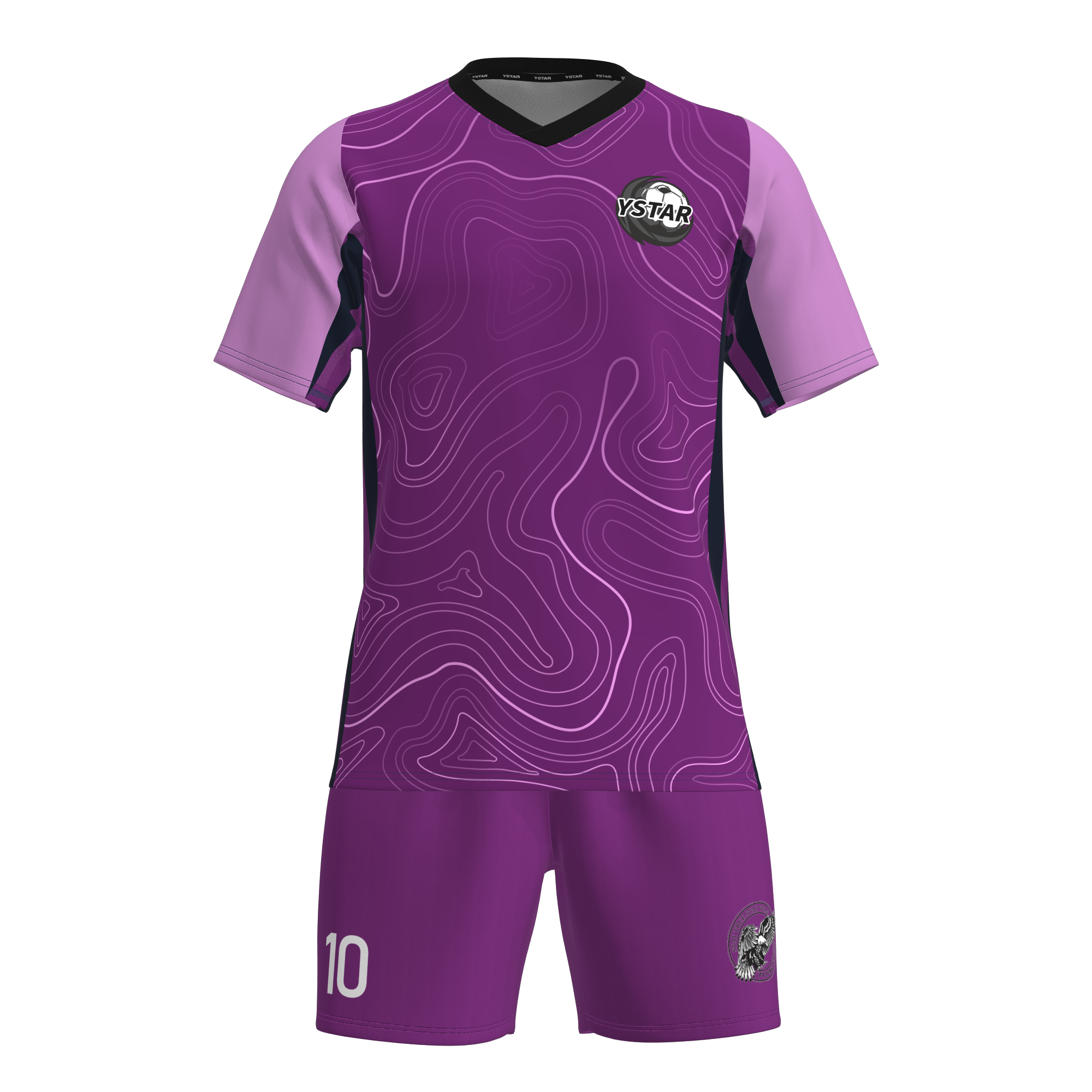
A project discussion can cover the intended sportswear category, design files, fabric preferences, garment measurements, branding requirements, estimated quantities, size breakdowns, and expected delivery schedule.
Providing these details early helps establish a clearer basis for product development and quotation. It also allows both parties to identify technical questions before sampling and bulk production begin.
Whether a brand is developing custom soccer jerseys, team uniforms, or a broader sportswear collection, the manufacturing process should be aligned with its intended market, quality expectations, and commercial goals.
Brands considering an OEM or ODM project should confirm the available design support, customization scope, sample process, minimum order quantities, production lead times, and quality requirements directly with the supplier.
OEM and ODM sportswear manufacturing can help brands build competitive product lines by providing access to product development and manufacturing capabilities without requiring them to establish every production function internally.
The value of a manufacturing partnership goes beyond making garments. It lies in coordinating design, customization, quality standards, production planning, and repeat orders in a way that supports the brand's commercial objectives.
By selecting the right product categories, documenting specifications, evaluating samples carefully, and building a clear communication process, brands can develop more consistent collections and expand at a manageable pace.
For businesses planning their next sportswear collection, YSTAR can be a starting point for discussing custom teamwear requirements and evaluating suitable manufacturing options. A well-defined project brief is the foundation for turning a product idea into a practical, market-ready collection.
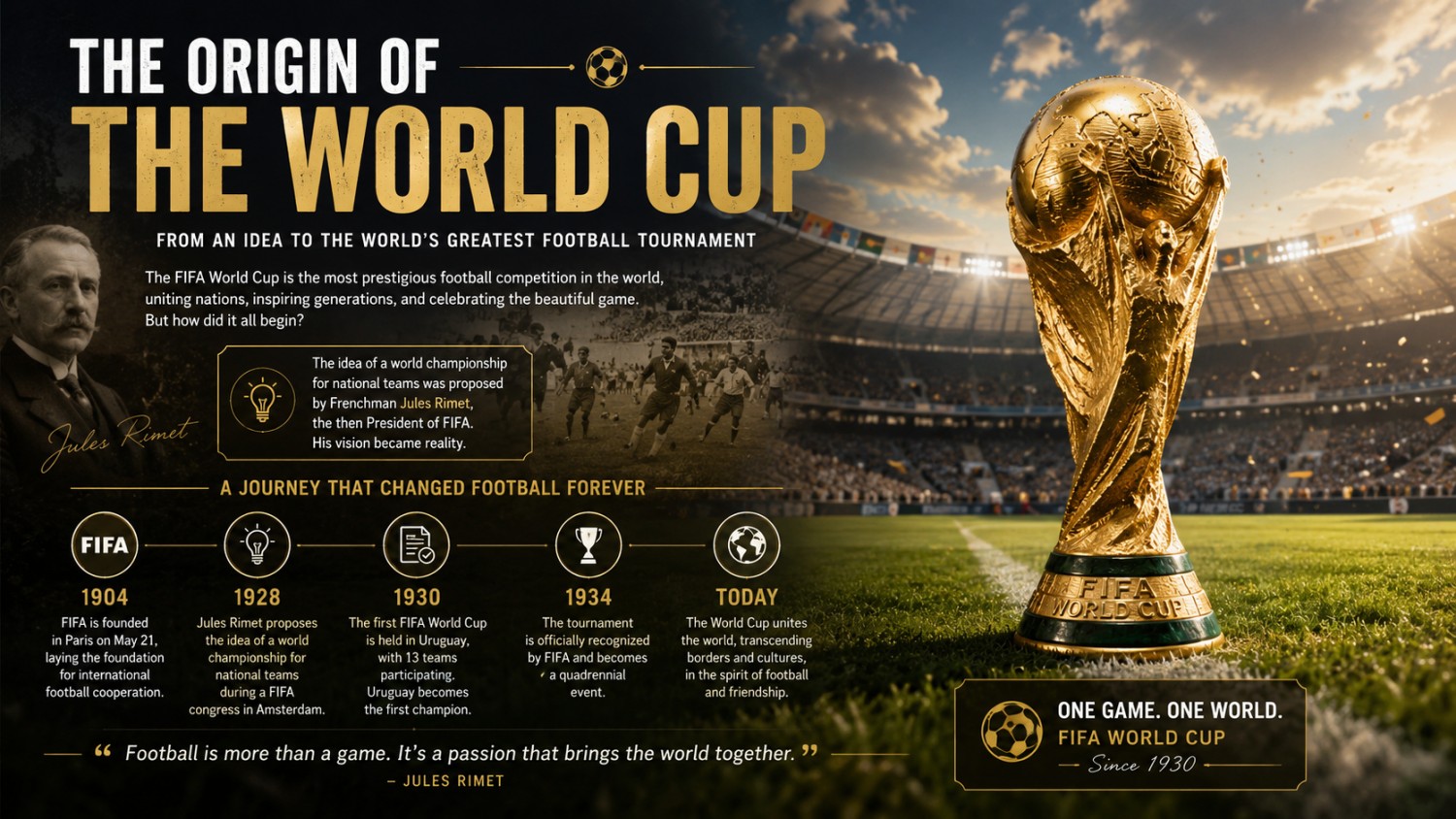
Discover FIFA World Cup origins, tournament mechanics and what championship glory means for professional football players.
READ MORE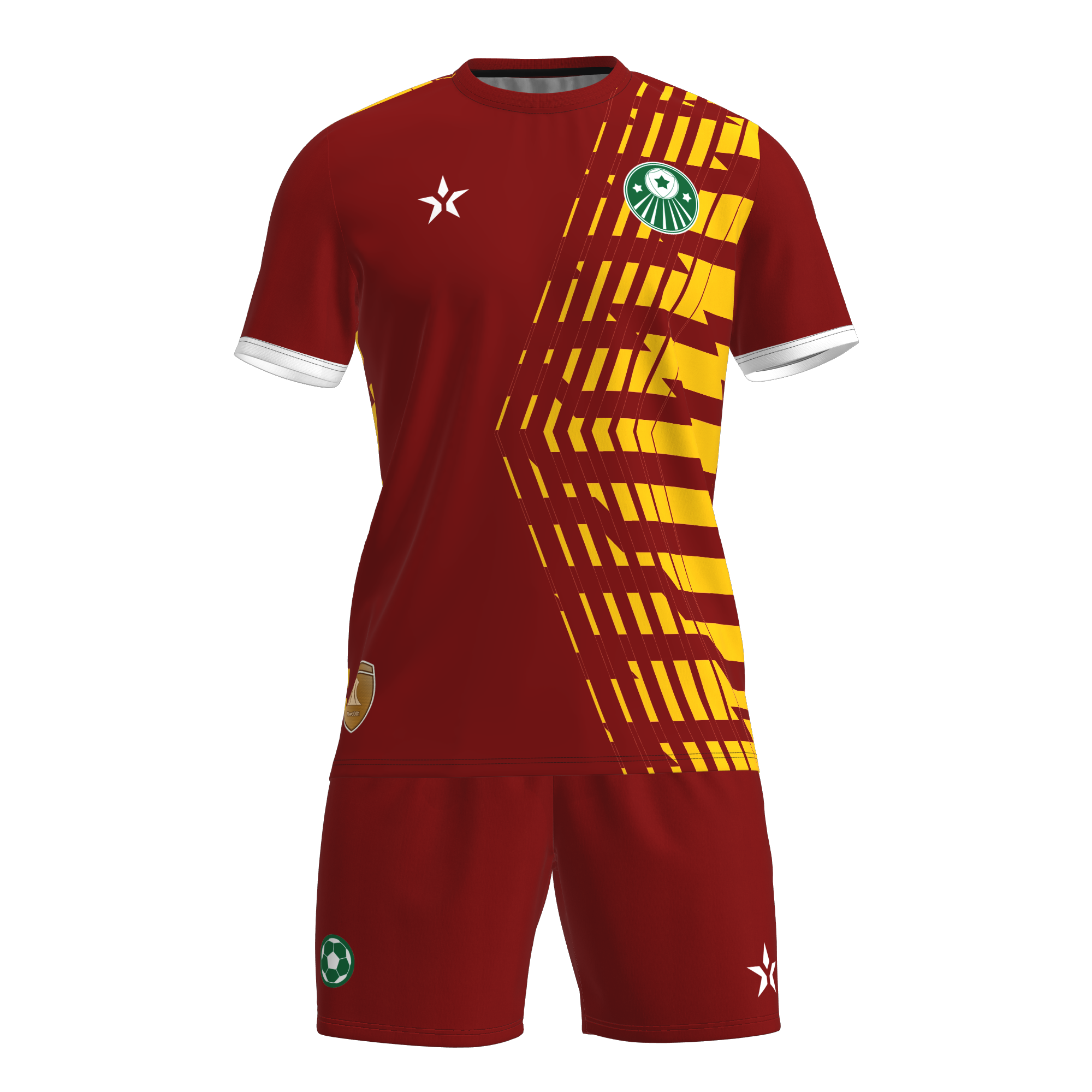
Choosing the right soccer jersey involves more than selecting a design and adding a team logo. Fabric construction, garment fit, printing methods, and finishing details all influence the final product's appearance, comfort, durability, and overall va...
READ MORE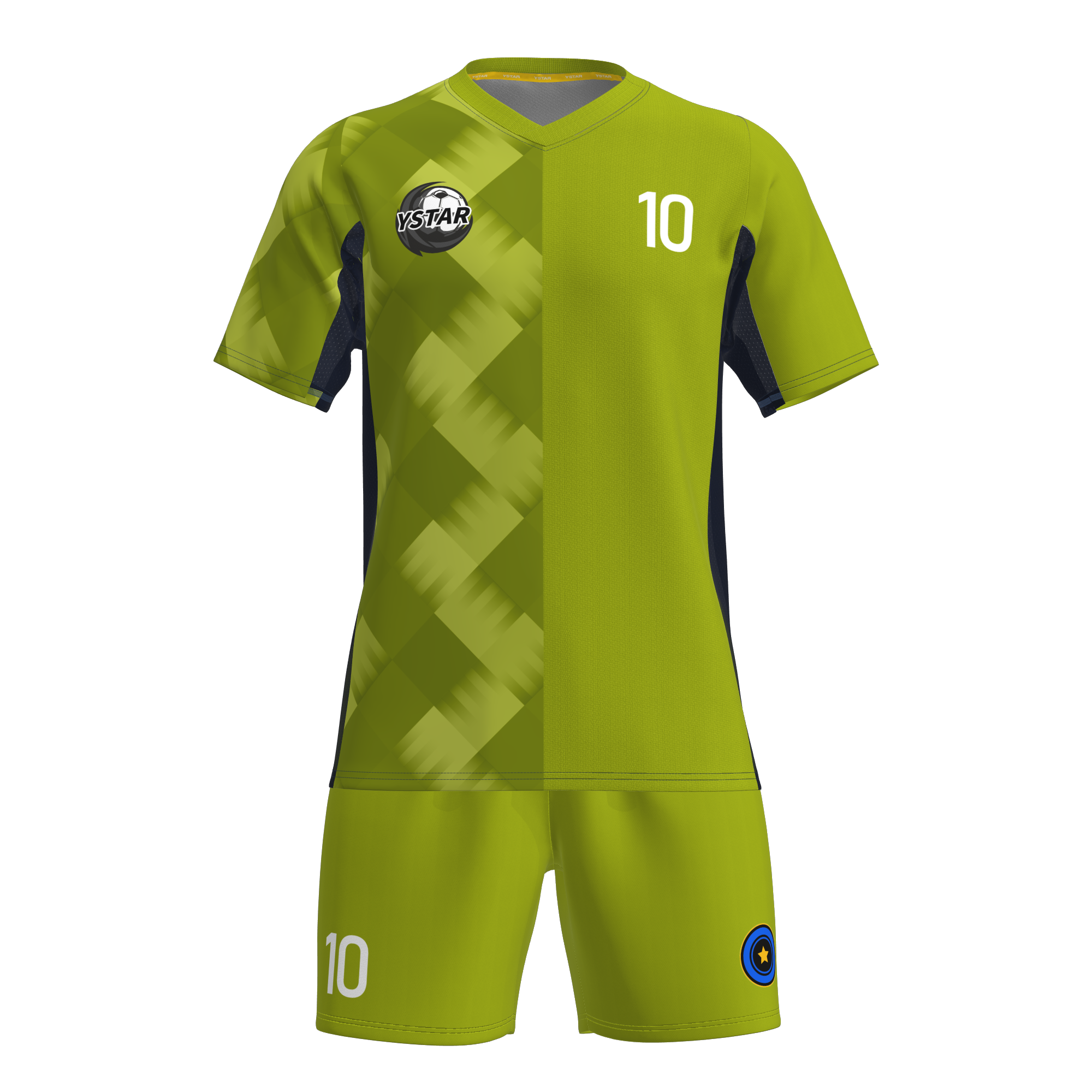
Ordering custom sportswear involves more than choosing a design and negotiating a unit price. For sportswear brands, distributors, sports clubs, and online retailers, three factors can significantly affect the success of a production order: minimum o...
READ MORE