
Choosing the right soccer jersey involves more than selecting a design and adding a team logo. Fabric construction, garment fit, printing methods, and finishing details all influence the final product's appearance, comfort, durability, and overall value. For soccer clubs, youth academies, sports brands, distributors, and league organizers, understanding these factors is essential when developing custom teamwear or placing bulk orders.
Well-designed soccer jerseys should balance performance requirements with visual identity and production practicality. The fabric needs to suit the intended playing conditions, the fit should support unrestricted movement, and the decoration must remain consistent with the approved artwork. At the same time, buyers need to consider order quantities, size ranges, quality expectations, and repeat-production requirements.
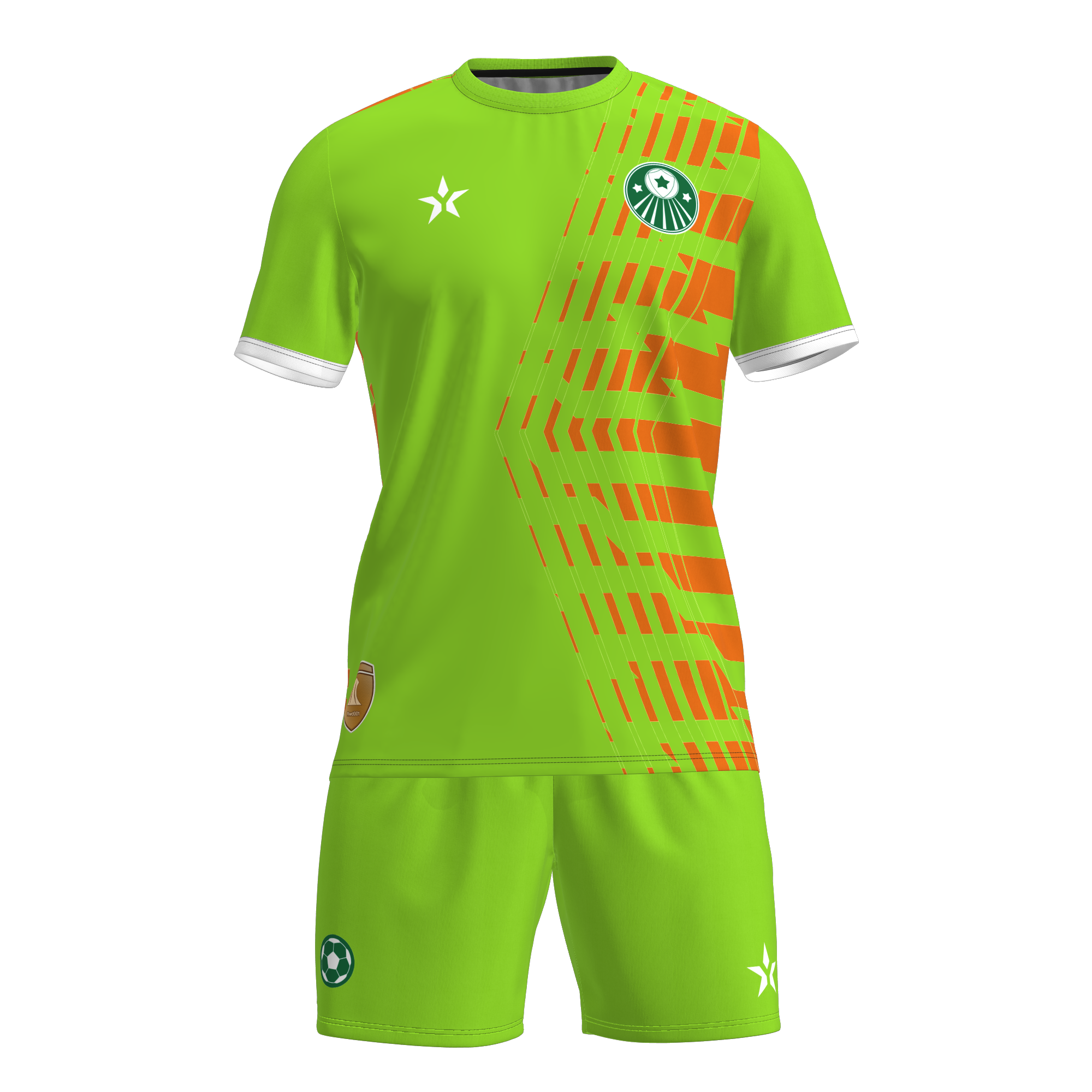
This guide explores the key technical decisions involved in custom soccer jersey manufacturing, helping B2B buyers evaluate product specifications and prepare for a more efficient purchasing process.
A soccer jersey combines several elements that work together to determine its quality and suitability. Although the finished garment may appear simple, each component affects how it performs during training, competition, and repeated washing.
The main components include:
Fabric: Determines weight, breathability, moisture management, stretch, and surface texture.
Garment construction: Includes panels, seams, collars, sleeves, hems, and other structural details.
Fit: Influences comfort, mobility, appearance, and suitability for different body types.
Printing and decoration: Adds club crests, sponsor logos, player names, numbers, and graphic patterns.
Finishing: Covers the final construction details, loose threads, label application, and overall presentation.
Quality control: Verifies that the finished jerseys match the agreed specifications.
These elements should not be evaluated independently. A printing method that works well on one fabric may produce a different result on another, while a particular fit may require adjustments to the garment's panel construction.
For bulk buyers, the most reliable approach is to define the complete product specification before production begins. This makes it easier to compare suppliers and reduces the risk of receiving garments that differ from the approved sample.
Fabric selection is one of the most important decisions in soccer jersey development. The material affects comfort, moisture management, garment weight, flexibility, appearance, and maintenance requirements.
Different teams have different priorities. Competitive clubs may prioritize lightweight construction and freedom of movement, while youth academies and recreational organizations may place greater emphasis on durability, easy care, and cost control.
Polyester is widely used in sportswear because it supports lightweight garment construction and can be engineered for moisture management, quick drying, and color retention.
For soccer jerseys, polyester fabrics are available in different structures, weights, and surface finishes. These differences affect how the garment feels, how much airflow it allows, and how it responds to printing or other decoration processes.
When evaluating polyester options, buyers should confirm the fabric composition, weight, construction, and intended performance characteristics rather than relying on the material name alone.
Mesh fabrics feature an open or textured construction designed to support airflow. Depending on the fabric structure, they may be used throughout a garment or incorporated into selected panels.
For teams playing in warm conditions or training frequently, breathable construction may improve wearing comfort. However, mesh fabrics can differ considerably in thickness, texture, stretch, and opacity.
Buyers should examine samples to determine whether the selected material provides the desired balance between airflow, appearance, and durability.
Polyester blended with other fibers can offer different hand feels and garment characteristics. The suitability of a blend depends on its composition, construction, and intended application.
For performance-oriented match jerseys, buyers should carefully evaluate whether the blend meets the team's requirements for drying time, movement, maintenance, and decoration compatibility.
Some manufacturers may offer specialty materials, including fabrics with specific finishes or recycled fiber content. These options can support particular product requirements or sustainability objectives.
However, buyers should request the relevant composition details and supporting documentation when these characteristics are important to the purchasing decision. Specialty finishes should also be evaluated for their expected durability and care requirements.
Before confirming an order, ask the manufacturer to provide clear information about:
Fiber composition and fabric construction.
Fabric weight, usually expressed in grams per square meter (GSM).
Stretch characteristics and recovery, where relevant.
Breathability and moisture-management properties.
Color options and suitability for the intended printing method.
Washing and care recommendations.
Any available test reports or material documentation relevant to the project.
A physical sample is particularly useful when several fabric options are available. It allows buyers to compare texture, weight, transparency, flexibility, and overall suitability before committing to bulk production.
The fit of a soccer jersey affects both player comfort and the visual consistency of a team. A garment should allow players to run, turn, jump, and stretch without unnecessary restriction.
Custom soccer jerseys commonly use several fit approaches, depending on the target users and product positioning.
Slim or athletic fit: Designed with a closer silhouette for teams that prefer a streamlined competition appearance. The exact level of compression or room varies by manufacturer and pattern.
Regular fit: Offers a balanced silhouette suitable for a wide range of teamwear applications.
Relaxed fit: Provides additional room and may be preferred for recreational teams, training use, or players who prioritize a looser feel.
The fit label alone is not enough to determine whether a jersey will suit the intended users. Actual garment measurements, fabric stretch, and pattern proportions should also be considered.
For international buyers, sizing consistency is especially important. A medium-size jersey from one supplier may not have the same measurements as a medium from another.
Before ordering, confirm the manufacturer's size chart and identify the sizing standard being used. If the jerseys will be distributed across different markets, consider whether the fit and measurements are suitable for the intended customer base.
For youth academies, verify that the size range accommodates the players' ages and body measurements. Age-based sizing can be useful for preliminary planning, but actual garment measurements provide a more reliable basis for selecting sizes.
When checking a sample, review the following:
Chest width and body circumference.
Jersey length and sleeve length.
Shoulder and underarm comfort.
Collar opening and overall neck comfort.
Freedom of movement during typical soccer actions.
Fit consistency across the required size range.
For larger orders, checking representative sizes can reveal grading issues that might not be obvious from a single sample. Any required adjustments should be documented before the final pattern and production specifications are approved.
Printing and decoration give custom soccer jerseys their distinctive appearance. Club crests, sponsor logos, player numbers, names, and graphic patterns all need to be applied using methods suited to the garment material and design requirements.
The most appropriate method depends on the fabric, artwork, order quantity, desired finish, budget, and expected usage.
Sublimation printing is commonly used for polyester sportswear. In this process, specialized inks are transferred into the material under controlled heat and pressure.
Because the color becomes integrated into suitable polyester fibers, sublimation can support detailed graphics, gradients, multicolor patterns, and all-over jersey designs without adding a conventional surface print layer.
Potential advantages include:
Broad design flexibility for complex patterns.
The ability to incorporate multiple colors into a single garment design.
A finish that generally adds little surface texture.
Integration of team graphics into the fabric during the decoration process.
Sublimation is particularly suitable for many polyester-based custom soccer jerseys. However, results depend on fabric composition, color, transfer conditions, and production control. It is not equally suitable for every fiber type or garment construction.
Screen printing transfers ink through a prepared screen onto the garment or designated material surface. It can be appropriate for selected logos, text, and designs, particularly when the artwork uses a defined set of colors.
Its suitability depends on the ink system, fabric, design complexity, and production quantity. Buyers should evaluate the appearance, flexibility, and wash performance of the finished decoration.
Heat transfer methods apply prepared graphics to the garment using heat and pressure. They are often used for names, numbers, sponsor logos, and other personalized elements.
This approach can be useful when each jersey requires different information, such as individual player names or numbers. The quality of the result depends on the transfer material, application conditions, fabric compatibility, and subsequent care.
Embroidery creates a design using stitched thread rather than a printed image. It may be suitable for selected crests or branding elements where a raised, textured finish is desired.
However, embroidery adds weight and stiffness compared with many printing methods. It may not be appropriate for every lightweight match jersey or for large graphics that need to remain flexible.
The supplier should assess the garment construction, logo size, and intended use before recommending embroidery for a particular design.
| Method | Common Applications | Key Considerations |
|---|---|---|
| Sublimation | Full-color jersey designs and all-over patterns | Best suited to compatible fabrics, particularly polyester |
| Screen printing | Selected graphics and defined-color designs | Consider ink compatibility, graphic complexity, and finish |
| Heat transfer | Player names, numbers, and selected logos | Check adhesion, application quality, and wash performance |
| Embroidery | Selected crests and textured branding | Consider added weight, stiffness, and logo size |
No single method is best for every project. A manufacturer should recommend a suitable approach after reviewing the artwork, fabric, order quantity, and expected garment use.
Customization is one of the main reasons clubs choose custom soccer jerseys instead of standard off-the-shelf uniforms. It allows teams to create a recognizable appearance while accommodating sponsors, player identification, and organizational branding.
A club crest is often the most recognizable element of a soccer jersey. Its size, placement, and color should work with the overall design rather than compete with other graphics.
Buyers should provide clear artwork files and confirm whether the crest will be printed, transferred, embroidered, or produced using another decoration method. Different techniques can affect the final color, texture, edge definition, and durability.
Sponsor logos may need to follow specific size and placement requirements. Before production, confirm the number of sponsor marks, their locations, the approved artwork, and any competition regulations that apply.
A clear layout helps maintain readability while preventing the jersey from becoming visually crowded.
Player personalization requires careful data management. Clubs should confirm the numbering format, font, color, name placement, and spelling before approving the production list.
A final roster should connect each player to the correct jersey size, name, and number. This is particularly important when several teams are included in one bulk order.
For leagues and tournament organizers, personalization specifications should be standardized wherever possible. A consistent template makes it easier to coordinate orders across multiple participating teams.
Fabric and decoration decisions should be made together because the material influences how the finished graphics look and perform.
For example, sublimation is commonly used with suitable polyester fabrics, while heat-applied graphics require compatible transfer materials and controlled application conditions. A textured or open mesh surface may also affect the appearance and contact of some decoration methods.
When choosing a production approach, buyers should consider the following questions:
Is the fabric suitable for the chosen decoration method?
Will the design require all-over printing, individual logos, or personalized names and numbers?
Does the graphic need to stretch with the garment?
Will the decoration affect breathability, flexibility, or surface feel?
How will the finished product be cared for and washed?
Can the selected method be applied consistently across the required quantity?
These questions help prevent situations where a visually attractive design proves difficult to manufacture or does not perform as expected in regular use.
For complex projects, a sample incorporating the actual fabric and intended decoration method is more informative than reviewing fabric and artwork separately.
Finishing refers to the final construction and presentation details that help determine whether a soccer jersey meets the agreed specifications.
Even when the fabric and graphics are suitable, inconsistent stitching, poorly aligned panels, or incorrect labels can reduce the perceived quality of the garment.
Important finishing details include:
Seam quality: Stitching should be consistent, secure, and appropriate for the garment construction.
Collar construction: The collar should have the intended shape and finish, without uncomfortable edges or obvious irregularities.
Sleeve and hem finishing: Cuffs and hems should be consistent with the approved sample and product specification.
Graphic alignment: Crests, sponsor logos, names, and numbers should be positioned accurately.
Loose threads and visible defects: Finished garments should be checked for avoidable construction or appearance issues.
Labels and packaging: Size labels, product information, and packaging should match the order requirements.
Finishing standards should be established before bulk production rather than judged only after the goods arrive. Buyers can use an approved sample and a written inspection checklist to make expectations clearer for both parties.
Quality control helps verify that the finished order matches the approved design and technical specifications. For B2B buyers, it is particularly important because defects or inconsistencies can affect an entire team, retail shipment, or tournament order.
A practical inspection process may include several stages.
Confirm the artwork, color references, fabric specifications, size chart, decoration methods, and personalization list. Resolve any inconsistencies before the order enters production.
Depending on the agreed quality process, checks may cover fabric condition, panel construction, print appearance, logo placement, garment measurements, and personalization accuracy.
Finished garments can be checked against the approved sample and purchase specifications. Relevant checks may include:
Correct colors and design placement.
Accurate names and numbers.
Measurements within the agreed tolerances.
Consistent stitching and finishing.
Acceptable graphic appearance.
Correct quantity and size distribution.
Appropriate labeling and packaging.
Buyers should define acceptance criteria and measurement tolerances in advance. If particular performance tests or material documentation are required, these should be discussed with the manufacturer before the order is confirmed.
An inspection plan cannot eliminate every production risk, but it creates a clear framework for identifying and addressing discrepancies.
A well-planned design can still encounter problems if important specifications are overlooked. The following mistakes are especially relevant to bulk orders.
The lowest-cost material may not provide the desired comfort, appearance, or service life. Compare fabric specifications and samples against the actual needs of the team rather than choosing solely on unit price.
Logos and numbers that look clear on a computer screen may become difficult to read when scaled down or placed over complex graphics. Review the design at realistic proportions and confirm contrast before production.
Sizing standards and garment measurements vary between suppliers. Always check the size chart and approve the intended measurements.
Incorrect names, duplicate numbers, and missing sizes can create production errors. Consolidate the roster and verify the information before the personalization stage.
Late changes to colors, fabrics, graphics, or quantities may affect production time and cost. Confirm the key details before approving bulk manufacturing.
Clubs and academies often need additional jerseys as rosters change. Retaining the original specifications and discussing repeat-order arrangements can make future purchases easier to manage.
Avoiding these mistakes begins with a clear product brief, realistic expectations, and consistent communication between the buyer and manufacturer.
A technical specification sheet brings all important product requirements into one document. It helps the manufacturer interpret the order accurately and gives the buyer a reference for sample approval and quality inspection.
For custom soccer jerseys, the specification should include:
| Item | Information to Provide |
|---|---|
| Product type | Match jersey, goalkeeper jersey, or training shirt |
| Fabric | Composition, weight, construction, and preferred performance properties |
| Color | Primary and secondary colors with reference standards |
| Fit | Slim, regular, or relaxed, supported by garment measurements |
| Size range | Youth and adult sizes with quantity breakdowns |
| Artwork | Club crest, sponsor logos, patterns, and graphic files |
| Printing | Preferred or agreed decoration method |
| Personalization | Names, numbers, font, color, and placement |
| Construction | Collar, sleeves, seams, hems, and other details |
| Quality requirements | Measurement tolerances, appearance checks, and any agreed tests |
| Packaging | Individual packaging, labels, and carton requirements |
| Order and delivery | Total quantity, delivery destination, and required timeline |
The technical specification should match the final approved sample. If any changes are agreed upon during development, update the document so that everyone is working from the same version.
For distributors and organizations managing multiple teams, using a standardized specification template can also reduce the administrative workload associated with repeat orders.
Selecting a suitable manufacturing partner is an important part of the product development process. The supplier should be able to understand the design requirements, explain fabric and decoration options, coordinate sample approval, and communicate clearly about bulk production.
When evaluating a potential supplier, consider the following factors:
Product expertise: Experience with soccer jerseys and other relevant sportswear products.
Customization options: Ability to discuss fabrics, fits, logos, printing, and personalization.
Sampling process: A clear way to review and approve the design before bulk production.
Specification management: Accurate handling of artwork, size charts, and order details.
Quality procedures: Defined checks for construction, appearance, measurements, and order accuracy.
Production planning: Clear communication about quantities, lead times, and delivery arrangements.
Repeat-order support: The ability to refer to approved specifications when additional garments are required.
A complete quotation should also clarify what is included in the price. Fabric type, decoration methods, packaging, sample charges, minimum order quantities, and shipping can all affect the total cost.
For international buyers, written confirmation is especially valuable because it reduces the chance of misunderstandings across different time zones, languages, and measurement standards.
For clubs, academies, distributors, and sports organizations developing customized teamwear, YSTAR provides a process covering design development, sampling, and bulk production. Its product range focuses on custom soccer uniforms and football kits, with customization details discussed according to each project's requirements.
Buyers preparing a project can provide their logo, design concept, preferred colors, fabric requirements, size breakdown, and personalization details. These specifications help establish the intended product before the design is finalized and production arrangements are confirmed.
For a first order, it is helpful to include the intended use, approximate quantity, required delivery date, and any specific competition requirements. Buyers with an existing uniform can also provide reference images or specification sheets to communicate the expected appearance and fit.
Selecting the right soccer jerseys requires a coordinated approach to fabric, fit, printing, finishing, and quality control. Each decision affects the finished garment, and the best solution depends on the intended users, playing conditions, design requirements, order quantity, and budget.
For B2B buyers, a clear technical specification and careful sample review are essential steps toward consistent bulk production. Confirming fabric details, sizing standards, decoration methods, and finishing requirements before manufacturing can reduce avoidable errors and make supplier comparisons more meaningful.
Whether ordering for a club, academy, league, or sportswear business, treating jersey development as a complete manufacturing project helps ensure that the final product reflects the intended design and meets practical teamwear needs.
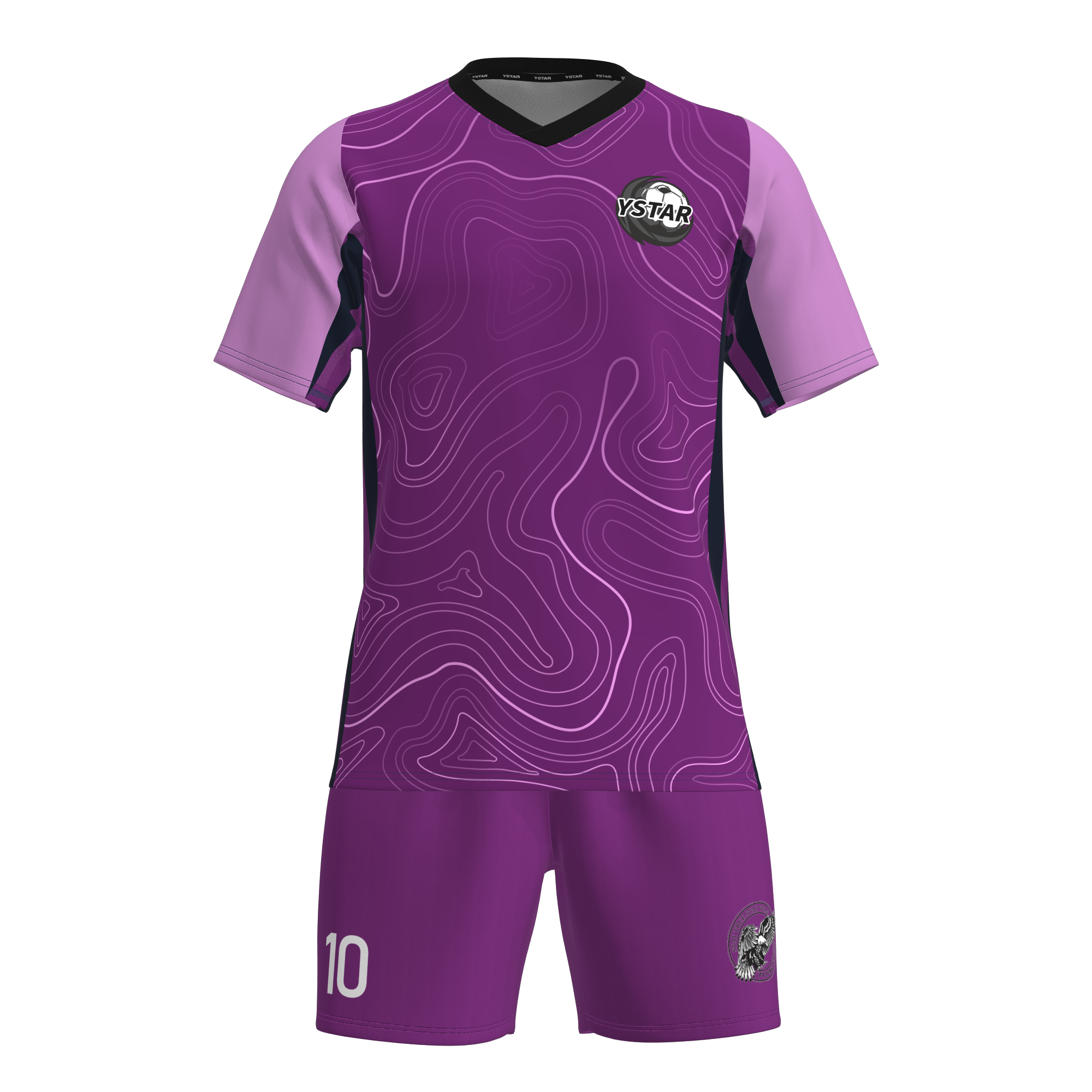
A soccer jersey is more than a piece of sportswear. It represents a club's history, values, colors, and ambitions. From local community teams and youth academies to professional clubs and sports organizations, a consistent team appearance helps playe...
READ MORE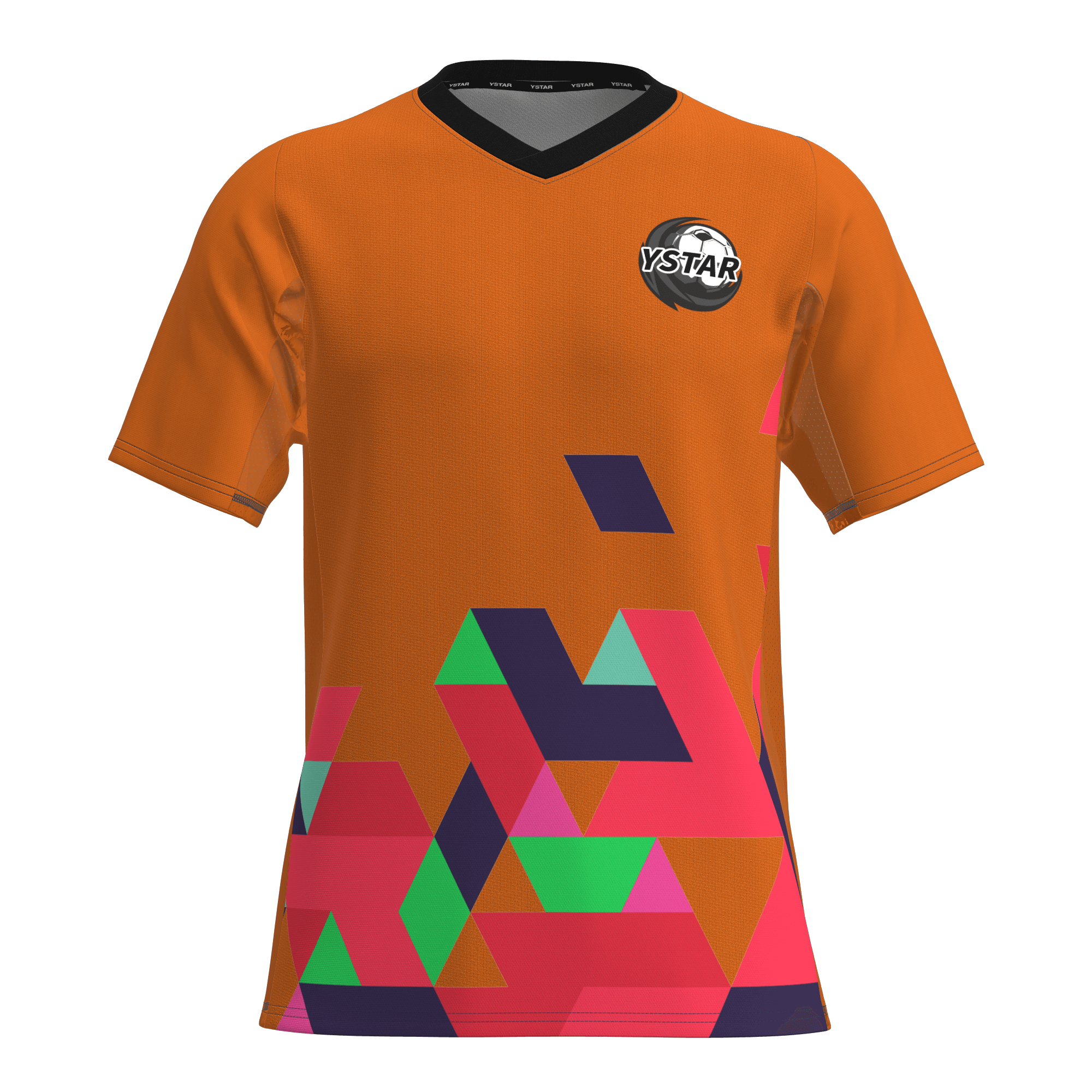
A football jersey needs to do more than represent a team's colors. During training, players need apparel that supports repeated movement, regular washing, and comfortable wear across long sessions. On match day, the same garment must deliver a profes...
READ MORE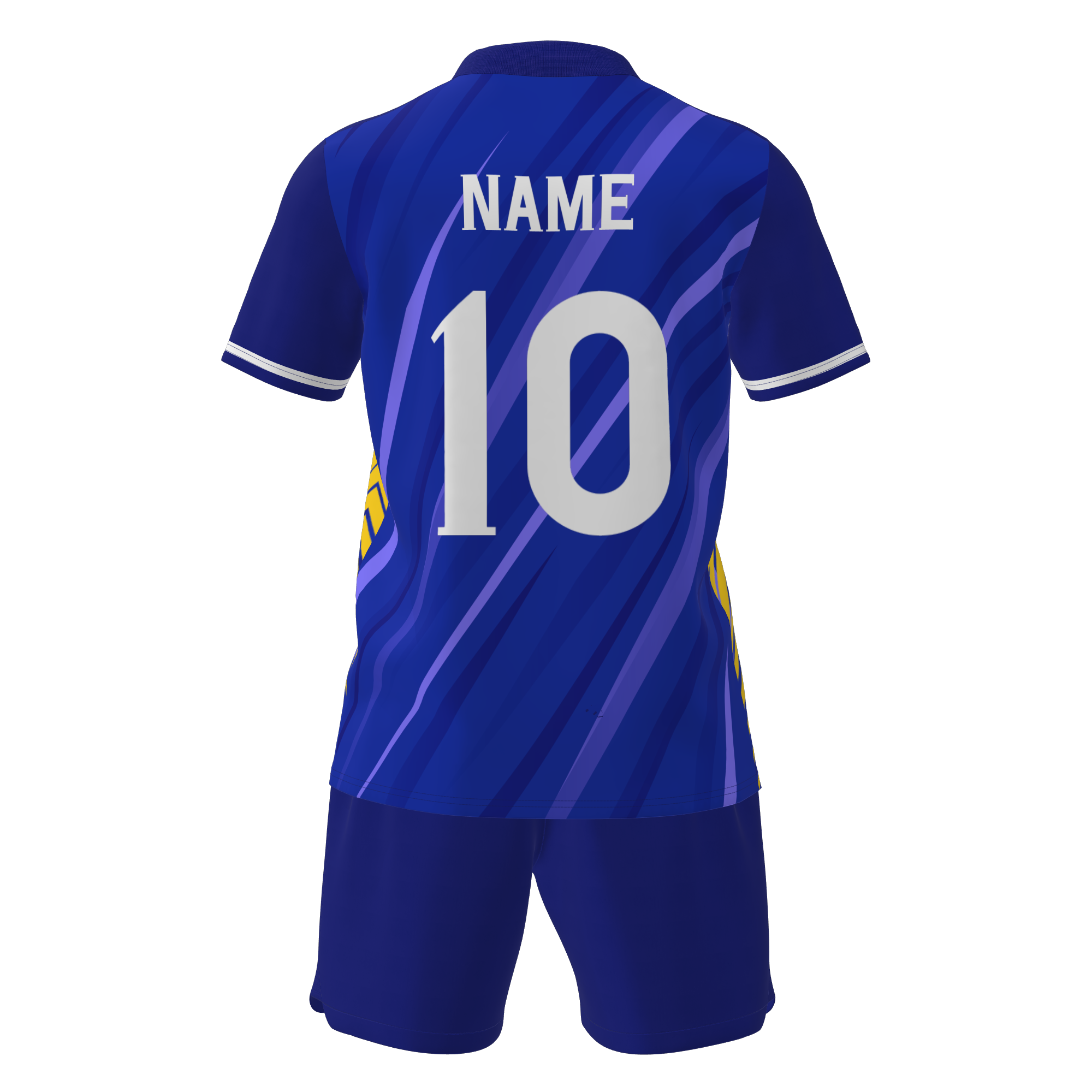
For a growing sportswear business, winning the first few club orders is an important milestone. Supplying custom football jerseys to a local team or basketball uniforms to a sports academy helps establish customer relationships, test product quality,...
READ MORE