
A soccer jersey is more than a piece of sportswear. It represents a club's history, values, colors, and ambitions. From local community teams and youth academies to professional clubs and sports organizations, a consistent team appearance helps players feel connected and gives supporters a recognizable identity. For clubs looking to build a distinctive image, custom soccer jerseys offer an effective way to combine team branding, player personalization, performance, and professional presentation.
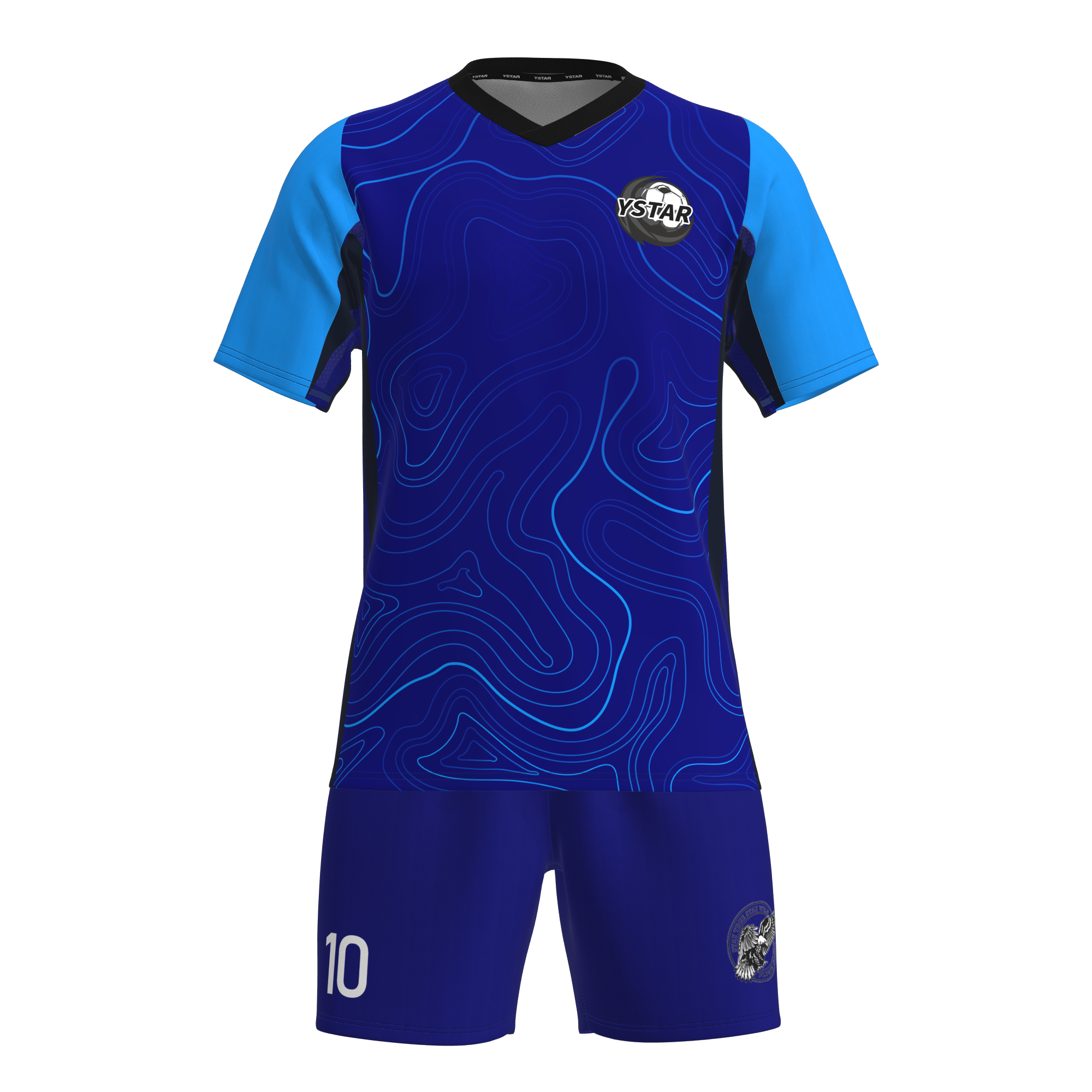
Custom teamwear also creates opportunities for clubs to strengthen their visual identity across competitions, training sessions, promotional activities, and community events. By working with an experienced soccer jersey manufacturer, clubs can translate their ideas into coordinated apparel that reflects their character while meeting practical requirements for comfort, durability, and bulk ordering.
Club colors are often the first visual element people associate with a team. Whether a club uses traditional colors connected to its history or introduces a contemporary design to reflect a new direction, a consistent jersey helps establish a recognizable appearance.
Custom soccer jerseys allow clubs to select colors, patterns, collar styles, sleeve details, and other design elements that align with their identity. Instead of choosing generic uniforms from a standard catalog, clubs can develop apparel that reflects their own visual preferences.
For example, a youth academy may prefer a clean, energetic design that looks consistent across age groups, while an established club may want to preserve its traditional colors while introducing subtle modern details. A sports organization managing several teams may also use coordinated design elements to maintain a unified brand image.
When planning a custom design, clubs should consider more than visual appeal. Color contrast, logo visibility, print placement, and consistency between home, away, and training kits all influence how effectively the final apparel represents the team.
A club crest communicates identity at a glance. Sponsor logos, academy names, and other branding elements can also play an important role in the appearance of a soccer uniform.
Custom soccer jerseys give clubs greater control over the placement and presentation of these elements. Logos can be positioned on the chest, sleeves, or other designated areas, while sponsor branding can be incorporated into the overall design without making the jersey look overcrowded.
For clubs that work with multiple sponsors, a clear layout is especially important. Before production begins, the club should confirm logo dimensions, placement, color requirements, and artwork quality. Reviewing these details during the design and sampling stages can help reduce inconsistencies in the finished order.
Clubs should also prepare high-resolution logo files and confirm the intended decoration method with their manufacturer. Embroidery, heat-applied graphics, and other printing methods may differ in appearance, texture, durability, and suitability for particular fabric constructions.
A well-planned jersey design balances branding requirements with readability and visual harmony. This allows the club crest and sponsor identities to remain clear while preserving the overall character of the uniform.
Team identity is not built through appearance alone, but coordinated apparel can reinforce a shared sense of belonging. When players wear uniforms designed around the same colors, graphics, and club symbols, they present a more unified image on the pitch.
This can be particularly valuable for organizations with multiple squads. A club may operate senior teams, youth development programs, reserve teams, and recreational groups. Using a consistent design language across these categories helps connect individual teams to the wider organization.
Custom soccer jerseys can be developed alongside matching shorts, socks, warm-up tops, and training apparel. Coordinated teamwear gives clubs a consistent visual identity during matches, training sessions, tournaments, and official club events.
For clubs purchasing apparel for different age groups, consistency does not necessarily mean using an identical fit for every player. Adult and youth sizes may require different proportions, and players may have different comfort preferences. A good teamwear plan maintains the same design identity while accommodating practical fit requirements.
When ordering for several squads, clubs should establish a clear size chart, color standard, logo specification, and product list before confirming bulk production. These details make it easier to maintain consistency across the full order.
Player names and numbers help distinguish individual team members and contribute to the familiar appearance of organized soccer. Customization allows clubs to specify number styles, name placement, font, letter case, and colors according to their team requirements.
For competitive clubs, these details should be confirmed early because numbering and personalization requirements can vary by competition. Clubs should check applicable league or tournament regulations before approving the final design, particularly when sponsor placement and number visibility are also involved.
For youth academies and community teams, personalization can make a new uniform feel more meaningful to each player. It can also simplify kit distribution when several teams or age groups receive apparel in the same shipment.
However, personalization introduces additional production details. Clubs should submit an accurate player list, verify spelling, check number assignments, and confirm the layout before production. If names and numbers are applied after the main garments are manufactured, the club should also confirm the process and lead time with the supplier.
A documented personalization plan helps reduce errors and ensures that the completed order matches the club's roster.
A visually impressive jersey must also perform well during training and competition. Fabric selection affects breathability, moisture management, flexibility, weight, and the overall wearing experience.
Many soccer teams prefer lightweight polyester fabrics because they can be designed for quick drying and regular athletic use. Breathable mesh may be suitable for areas where additional airflow is desired, while other fabric constructions can provide different textures, levels of stretch, and finishes.
The best choice depends on the team's playing environment, budget, usage frequency, and performance expectations. A club playing in hot and humid conditions may prioritize airflow and moisture management. An academy purchasing uniforms for frequent training sessions may place greater emphasis on durability, easy care, and replacement availability.
When discussing fabric options with a soccer jersey manufacturer, clubs should consider the following:
Breathability: Evaluate whether the fabric supports airflow during intense activity.
Moisture management: Confirm whether the material is designed to move moisture away from the skin and dry efficiently.
Weight and flexibility: Choose a construction that supports comfortable movement without unnecessary bulk.
Durability: Consider how the fabric and decoration are expected to withstand repeated washing and regular use.
Care requirements: Check washing instructions to help preserve colors, graphics, and garment shape.
If a manufacturer offers several fabric options, requesting samples can help decision-makers compare texture, weight, stretch, and finish before placing a larger order. Product specifications should be confirmed rather than assumed from general fabric descriptions.
Fit is another important part of team identity and player comfort. A uniform should look coordinated without restricting movement or making players uncomfortable during a full match.
Custom soccer jerseys can be developed in different fit profiles, including slim competition styles and more relaxed options. Clubs may also need youth, standard adult, and extended-size ranges to accommodate their full roster.
Before confirming an order, clubs should review the manufacturer's size chart and compare garment measurements with their existing uniforms where possible. Size labels can vary between suppliers and markets, so relying only on labels such as S, M, or L may lead to avoidable fitting problems.
For international teams and organizations purchasing from overseas manufacturers, it is particularly important to confirm the sizing standard being used. Clubs should clarify whether the measurements follow an Asian, European, US, or another specified sizing system.
A sample review can help verify sleeve length, body width, garment length, collar comfort, and freedom of movement. For larger orders, collecting size information from players in advance can also improve order accuracy and reduce the need for exchanges or replacements.
A club's apparel needs often change as its membership, competition schedule, and sponsorship arrangements develop. A small community team may initially order one set of uniforms, while a growing academy may later need additional sizes, replacement jerseys, and matching training apparel.
Custom soccer jerseys can support this growth when the original design and product specifications are documented clearly. Keeping records of approved colors, logos, artwork files, size charts, fabric selections, and personalization rules helps clubs maintain consistency when placing repeat orders.
This is especially useful for organizations that operate several teams or distribute apparel through club shops. A consistent design system makes it easier to introduce new squads, prepare tournament kits, and manage seasonal uniform updates.
Clubs should discuss repeat-order arrangements with their supplier before production. Relevant questions include whether the same fabric and color specifications can be used for future orders, how replacement quantities are handled, and whether updated player names and numbers can be accommodated without redesigning the entire uniform.
For clubs planning long-term growth, supplier communication and reliable product specifications are just as important as the initial design.
For clubs, academies, distributors, and sports organizations, ordering custom soccer jerseys involves more than choosing a design. Accurate planning helps control costs, reduce production errors, and ensure that the finished apparel meets expectations.
Before requesting a quotation, buyers should prepare a clear product brief covering the required quantities, size breakdown, fabric preferences, design files, logo placement, player personalization, packaging requirements, and delivery destination.
The club should also clarify the production timeline, sample approval process, payment terms, shipping arrangements, and any minimum order quantity. These details help the manufacturer assess the project accurately and provide a more useful quotation.
A practical bulk-order workflow typically includes the following stages:
Define the requirements: Confirm the number of teams, garment types, sizes, fabrics, and customization details.
Submit the artwork: Provide club logos, sponsor files, color references, and design concepts.
Review the design: Check layout, print placement, colors, and personalization specifications.
Evaluate samples: Where available, assess the garment's fit, fabric, construction, and decoration quality.
Approve the production details: Confirm quantities, size breakdowns, delivery schedules, and final specifications.
Inspect and receive the order: Verify the delivered products against the approved requirements.
A structured process helps both the club and the manufacturer work from the same specifications. It also creates a clearer basis for checking quality and resolving discrepancies.
The supplier a club selects can influence the entire experience, from design development to repeat orders. A suitable manufacturing partner should be able to understand the club's requirements, explain available customization options, and communicate clearly throughout production.
When comparing soccer jersey manufacturers, clubs should evaluate several factors:
Customization capabilities: Can the supplier accommodate club colors, crests, sponsor logos, player names, and numbers?
Product and fabric options: Are there suitable materials, fits, and size ranges for the intended users?
Sampling and communication: Can the supplier provide a clear process for reviewing designs and approving samples?
Quality management: How are product specifications, artwork, sizes, and finished garments checked?
Bulk-order experience: Can the supplier manage the required quantities and explain realistic production lead times?
Repeat-order support: Can approved specifications be retained to support future orders?
Buyers should compare quotations based on the complete scope of supply rather than price alone. Fabric quality, decoration methods, packaging, sample costs, shipping, and order quantities can all affect the final cost.
A clear specification sheet and an agreed approval process make it easier to compare suppliers fairly and reduce misunderstandings after production begins.
For clubs and organizations looking to develop personalized teamwear, YSTAR provides customization services that support the process from design development and sampling through bulk production. Its product focus includes custom soccer uniforms and football kits, with options to discuss fit, fabric, logos, player names, numbers, and other design details according to project requirements.
The process begins with the club's design concept, logo, or reference artwork. After the design and specifications are discussed, the parties can confirm the order details and move through the agreed production and shipment stages.
For a club preparing its first custom uniform order, it is useful to provide the expected quantity, team size breakdown, preferred fabric, design artwork, and delivery schedule when making an inquiry. Organizations with established uniforms can also share existing samples or specification sheets to help communicate their expectations.
By preparing these details early and reviewing the design carefully, clubs can develop custom soccer jerseys that reflect their identity while supporting practical teamwear requirements.
Custom soccer jerseys help clubs express their identity through coordinated colors, recognizable crests, sponsor branding, player personalization, and consistent teamwear. When design decisions are supported by suitable fabrics, appropriate sizing, clear specifications, and a well-managed production process, clubs can create uniforms that look professional and meet the needs of their players.
For clubs, academies, distributors, and sports organizations planning a custom order, the key is to treat jersey development as a complete project rather than simply selecting a design. Careful planning and collaboration with a capable manufacturer can make it easier to achieve consistent quality, manage bulk requirements, and maintain a recognizable team identity as the organization grows.
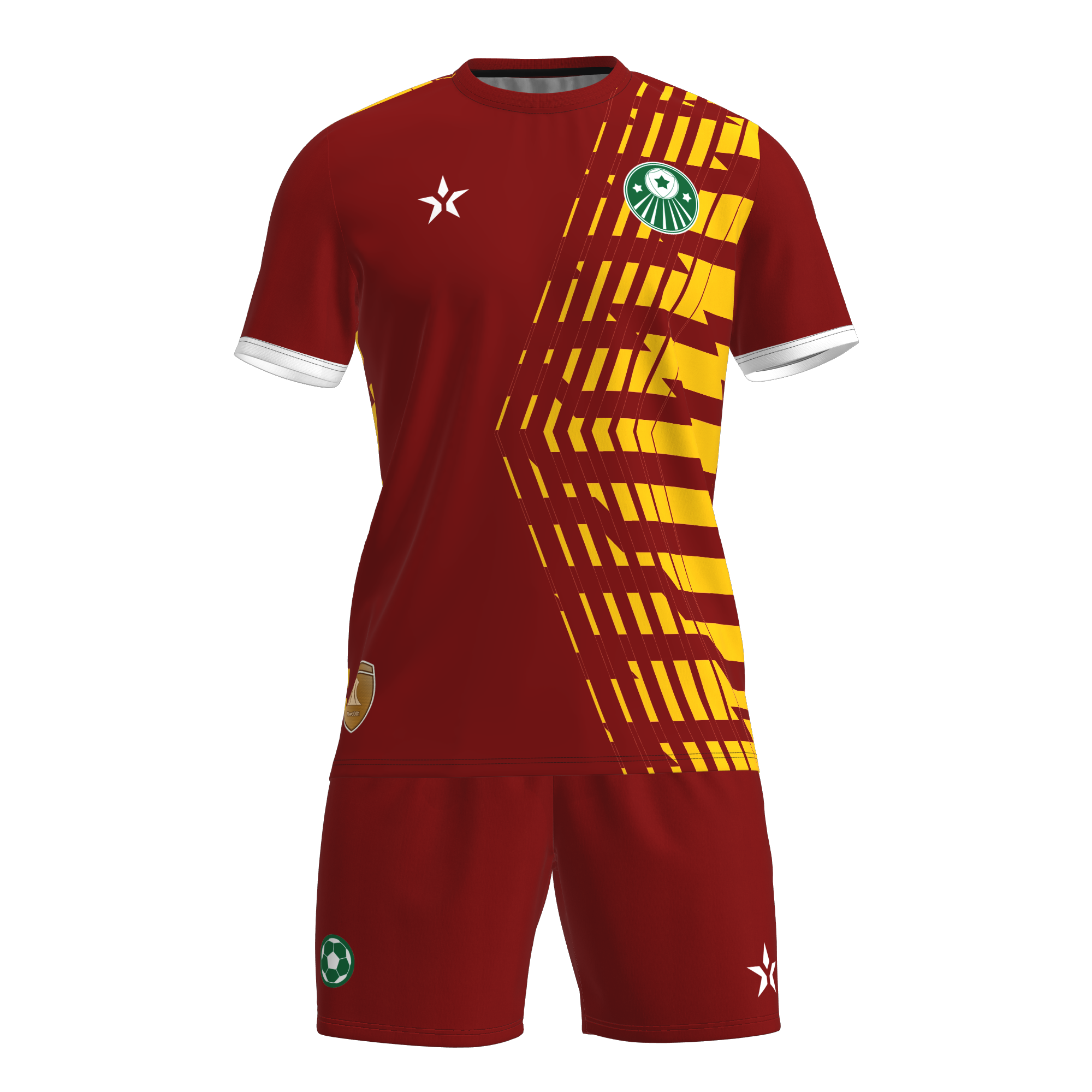
Choosing the right soccer jersey involves more than selecting a design and adding a team logo. Fabric construction, garment fit, printing methods, and finishing details all influence the final product's appearance, comfort, durability, and overall va...
READ MORE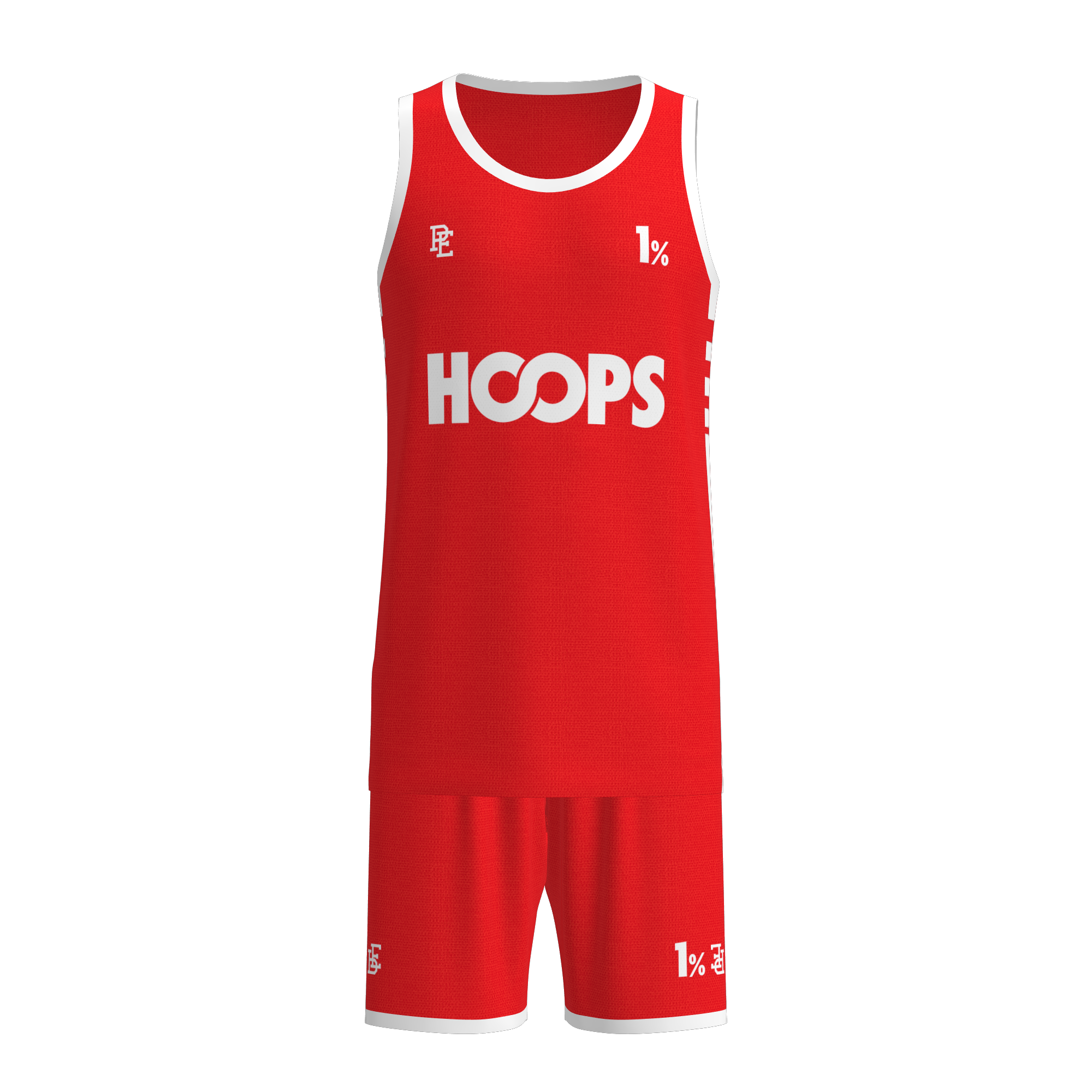
Custom basketball jerseys are more than team uniforms. For sportswear brands, teamwear distributors, basketball clubs, and private-label businesses, they are products that combine visual identity, athletic performance, and commercial value. A success...
READ MORE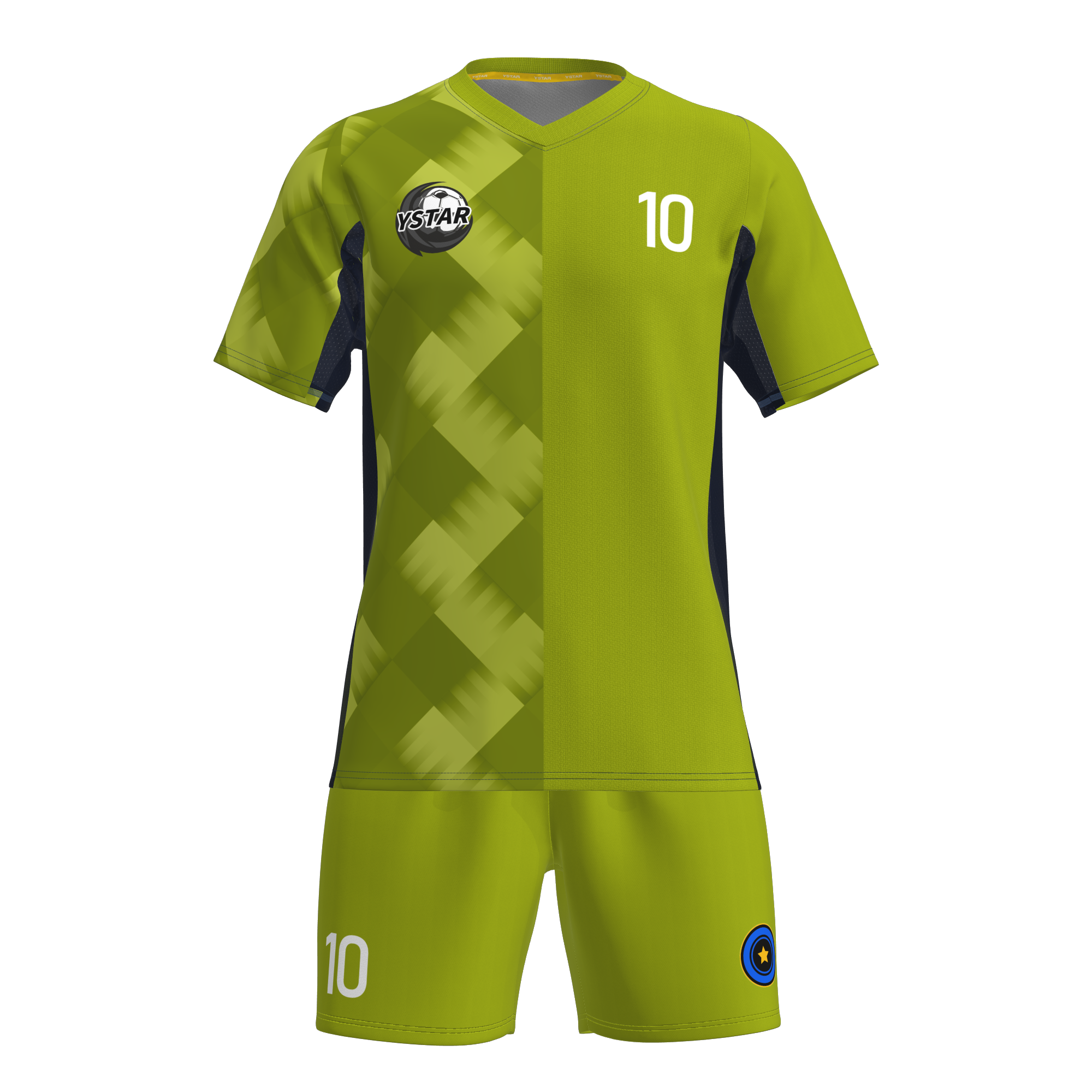
Ordering custom sportswear involves more than choosing a design and negotiating a unit price. For sportswear brands, distributors, sports clubs, and online retailers, three factors can significantly affect the success of a production order: minimum o...
READ MORE