
Custom basketball jerseys are more than team uniforms. For sportswear brands, teamwear distributors, basketball clubs, and private-label businesses, they are products that combine visual identity, athletic performance, and commercial value. A successful jersey collection must look distinctive, provide comfort during intense movement, maintain its appearance after repeated washing, and meet the needs of different teams and customer groups.
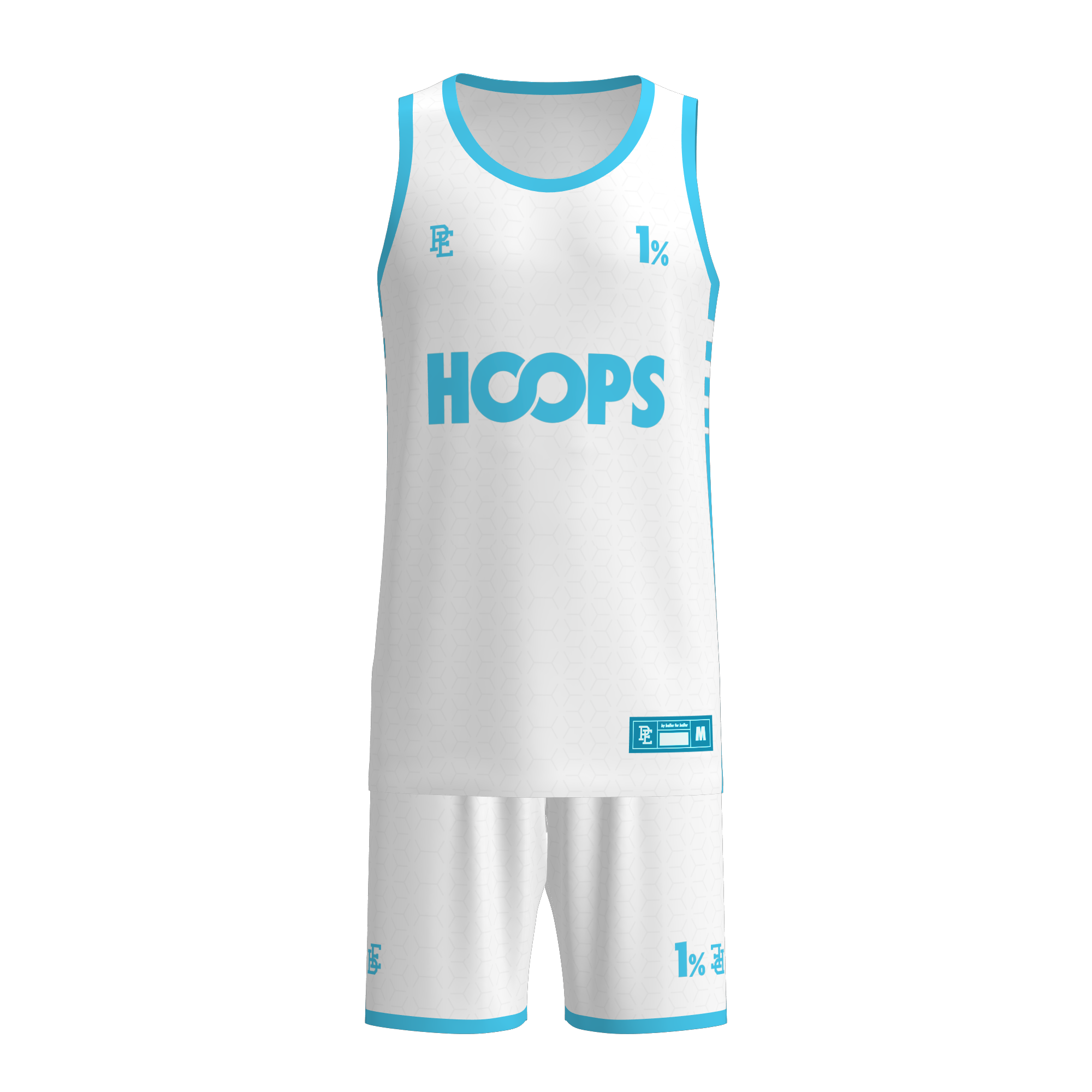
For brands planning to develop or expand a basketball apparel line, the most important decisions happen before bulk production begins. Fabric selection, jersey construction, graphic design, personalization, sizing, sampling, and quality control all influence the final product. Working with an experienced sportswear manufacturer helps turn a design concept into a consistent, market-ready collection.
The first step in developing custom basketball jerseys is understanding who will wear them and who will purchase them. Different customer groups have different priorities, so a single design and specification may not suit every market.
Basketball clubs and school teams generally prioritize comfortable fits, durable construction, clear team names, and accurate player numbering. They may also need coordinated shorts and matching uniforms for players, coaches, and support staff.
Sportswear brands and private-label businesses often focus on product differentiation, brand identity, fabric performance, and repeat-order consistency. They may require exclusive color combinations, custom labels, packaging, and a range of sizes for different customer segments.
Teamwear distributors and sporting goods retailers need dependable product specifications, predictable lead times, and flexible ordering options. Their requirements may include several colorways, multiple team designs, and repeat orders throughout the playing season.
Tournament organizers and basketball academies may need jerseys for multiple teams, age groups, or competition levels. Clear size planning and organized personalization are particularly important when a large order includes many individual player details.
Defining the target market early helps determine the appropriate fabric, construction, decoration methods, price positioning, and production quantities.
Fabric selection has a direct effect on how a basketball jersey feels and performs. Basketball involves frequent sprinting, jumping, changes of direction, and physical contact, so the material should support movement without adding unnecessary weight or restricting ventilation.
Polyester is widely used in basketball apparel because it is lightweight, relatively durable, and suitable for a variety of printing methods. Moisture-management fabrics can also help move perspiration away from the skin, improving comfort during training and competition.
When comparing materials, teamwear brands should evaluate several factors:
Breathability: Open structures and mesh panels can improve airflow in areas where ventilation is important.
Moisture management: Quick-drying materials can help jerseys remain more comfortable during extended activity.
Weight and drape: The fabric should provide a suitable balance between lightness, coverage, and shape retention.
Durability: Material quality should be evaluated alongside resistance to pilling, color fading, and deformation.
Printing compatibility: The fabric must be suitable for the intended graphics, colors, logos, and personalization methods.
Care requirements: Jerseys should retain their appearance and fit when washed according to the specified care instructions.
Brands should avoid choosing fabric solely by its initial cost. A material that performs poorly in wear tests or produces inconsistent printing may create additional expenses through complaints, replacements, and returns.
For bulk orders, requesting fabric specifications and evaluating physical samples before confirming production can help reduce these risks.
Basketball uniforms are visually distinctive, often featuring bold colors, large player numbers, contrasting trims, and prominent team logos. However, an attractive design must also work as a functional garment.
The team name, player number, club logo, and sponsor graphics should be positioned so that each element remains readable without making the jersey look overcrowded. The relationship between font style, number size, background color, and decorative patterns should be considered as a complete design system.
High-contrast combinations can improve number visibility, while restrained use of secondary graphics can help the primary team identity stand out.
A jersey design should be evaluated from every relevant viewing angle. The front may emphasize the team logo and main graphic, while the back needs sufficient space for player names and numbers. Side panels, necklines, and armholes should complement the overall design instead of interrupting important graphic elements.
Color consistency is especially important when a brand produces several jersey styles or matching shorts. The same team color can appear different across fabrics, printing methods, and production batches.
Brands should approve physical color references where appropriate and confirm how colors will be reproduced on the selected material before authorizing the full order.
Complex gradients, intricate patterns, and numerous separate graphic elements may require additional artwork preparation or tighter production controls. These features can be worthwhile when they create a distinctive product, but their production implications should be understood before pricing and order confirmation.
A well-developed design system makes it easier to create multiple team colorways while maintaining a recognizable brand identity.
Basketball jerseys must accommodate unrestricted arm movement and a range of body shapes. Fit decisions should therefore be based on the intended wearer, rather than on appearance alone.
Common fit options include a standard athletic fit, a more relaxed silhouette, and youth-specific proportions. Some brands may also develop extended sizing to serve a broader customer base.
Important construction details include:
Neckline shape and comfort
Armhole dimensions and finishing
Shoulder width and body length
Side seams and panel placement
Hem finishing and overall shape retention
Compatibility between jersey and shorts sizing
A jersey that is too restrictive around the shoulders or armholes may interfere with movement. An excessively loose or long design, on the other hand, may not deliver the intended appearance or fit expectations.
Brands should define a size chart with actual garment measurements rather than relying only on labels such as S, M, or L. If a collection targets several countries, regional sizing expectations should also be considered.
For youth and adult ranges, size grading should be checked carefully. Simply scaling down an adult pattern may not provide the correct proportions for younger players.
Customization is one of the main ways teamwear brands differentiate their basketball jerseys. The most suitable decoration method depends on the design, fabric, expected order quantity, and required durability.
Sublimation printing is commonly used for polyester basketball jerseys, especially when designs include multiple colors, gradients, or all-over patterns. Because the graphic is incorporated into the fabric through the printing process, it can support lightweight designs without the raised feel of some surface applications. The final result depends on fabric compatibility, artwork preparation, color control, and production settings.
Screen printing may be appropriate for certain simpler graphics and suitable order volumes. Brands should confirm its suitability for the chosen fabric and intended use, including how the print feels and performs after washing.
Heat-applied numbers and names can be useful when teams require individual player details. The selected material and application process should be tested for adhesion, flexibility, and wash durability.
Embroidered logos or labels may suit selected branding details, although placement and stitch density need to be considered to avoid unnecessary weight or discomfort.
For many performance basketball jerseys, sublimation offers considerable design flexibility. Nevertheless, no single method is ideal for every product. The decision should be based on the design brief and sample testing rather than on assumptions about price or appearance.
Player names and numbers introduce additional complexity to an otherwise standardized order. A production-ready specification should clearly identify every customization requirement.
Before manufacturing begins, confirm:
The exact spelling of each player name
Player numbers and any permitted number ranges
Font style, size, capitalization, and color
Placement of names, numbers, and team logos
Front and back graphic specifications
Any sponsor marks or additional identifiers
The quantity required for each size and design variation
A consolidated personalization sheet is more reliable than instructions scattered across emails or informal messages. It also gives the brand and manufacturer a shared reference for checking artwork and finished garments.
Special attention should be given to duplicate numbers, spelling variations, and late roster changes. These issues can become costly when discovered after printing or finishing.
For distributors and brands serving multiple teams, using a consistent order template can make repeat business easier to manage. It also helps keep artwork approval, production records, and future replenishment orders organized.
A digital mockup can communicate the intended design, but it cannot fully demonstrate the finished garment's fit, fabric feel, color appearance, or construction quality. Physical sampling is therefore an important step in developing custom basketball jerseys.
A useful sample review should cover the following areas.
Fabric and comfort: Check the hand feel, weight, breathability, and overall suitability for the intended activity.
Fit and measurements: Compare the garment with the approved size chart. Check body length, chest width, shoulder proportions, and armhole dimensions.
Artwork accuracy: Verify team logos, graphic placement, color combinations, player numbers, and other personalized details.
Construction quality: Examine seams, hems, necklines, armholes, and other finishing details for consistency.
Printing performance: Inspect the printed surface and, where practical, conduct washing tests in accordance with the intended care instructions.
Overall appearance: Confirm that the physical sample matches the approved design and reflects the brand's intended product positioning.
Any changes should be documented before the bulk order is released. If a revision affects measurements, artwork placement, fabric, or decoration, an updated sample or clearly approved production reference may be necessary.
Sample approval is not simply a formality. It establishes the standard against which the bulk production order should be evaluated.
Bulk production introduces challenges that may not be visible in a single sample. Differences in fabric batches, printing conditions, garment measurements, or personalization records can affect consistency across the finished order.
A structured quality-control process should include several checkpoints.
Confirm the approved artwork, fabric specifications, size chart, color references, order quantities, and personalization details. Both parties should work from the same finalized documents.
Check representative garments for printing quality, panel alignment, measurements, stitching, and finishing. Early inspection makes it easier to identify problems before they affect a large quantity of products.
Inspect finished jerseys against the approved specifications. Depending on the order requirements, checks may include quantity reconciliation, size distribution, logo placement, name and number accuracy, visible defects, and packaging.
Brands should also agree on how defects are recorded and handled. Clear acceptance criteria reduce ambiguity when the goods are inspected before dispatch or upon arrival.
For repeat orders, retaining approved samples and production specifications helps maintain consistency between batches. This is particularly valuable for teamwear brands that need to replenish popular designs across multiple seasons.
The cost of custom basketball jerseys depends on more than the number of garments ordered. Design complexity, fabric selection, decoration methods, size distribution, personalization, packaging, and delivery requirements can all influence the final quotation.
The main cost factors include:
Fabric type, weight, and performance features
Pattern development and construction details
Printing coverage and artwork complexity
Logos, player names, numbers, and other custom elements
Sampling and design-development requirements
Order quantity and the number of different designs
Individual packaging, labels, and other finishing requirements
Production schedule and shipping arrangements
To compare quotations fairly, brands should provide the same technical specifications to each prospective manufacturer. A lower quotation may reflect a different fabric, a simpler construction method, fewer included services, or different quality-control requirements.
The better approach is to assess total product value, including consistency, expected durability, communication, and the cost of potential defects or rework.
For a new collection, brands may also consider simplifying the initial design range. A focused set of core styles and colorways can make sample evaluation, inventory planning, and future replenishment more manageable.
For teamwear brands, selecting a basketball jersey manufacturer is a long-term business decision. The right partner should be able to understand the design brief, communicate production requirements clearly, manage customization details, and follow agreed quality standards.
When evaluating a potential supplier, consider these questions:
Can the manufacturer support the intended fabric and decoration requirements?
Is there a clear process for artwork review, sampling, and approval?
Can the team provide accurate size specifications and personalization records?
How are quality checks handled during bulk production?
Can the manufacturer explain the factors affecting cost and lead time?
Are production records available to support future repeat orders?
Can communication remain clear when several designs or teams are included in one order?
Brands should also clarify minimum order quantities, sample costs, payment terms, production schedules, packaging requirements, and shipping responsibilities before placing an order.
A dependable manufacturing relationship depends on clear specifications and consistent execution—not simply on the ability to produce a visually appealing sample.
Once the first jersey design is established, brands can build a more complete teamwear offering around it. Coordinated basketball shorts, reversible practice jerseys, warm-up apparel, and complementary training products can help create a consistent collection for clubs, academies, retailers, and distributors.
The key is to maintain a recognizable design language while adapting each product to its intended use. Matching colors, logo treatments, typography, and labeling can strengthen the collection's identity, while sport-specific construction and fabric choices preserve functionality.
A scalable collection also benefits from organized product specifications. Maintaining approved artwork, fabric details, measurements, color references, and decoration instructions can reduce development time for new colorways and repeat orders.
For private-label brands, these records become valuable operational assets. They help teams introduce updated designs without rebuilding every specification from scratch.
Developing successful custom basketball jerseys requires a coordinated approach to design, fabric, fit, decoration, sampling, and bulk production. Each decision influences not only the finished garment but also the brand's ability to deliver consistent quality, manage costs, and meet customer expectations.
For sportswear brands, distributors, clubs, and private-label businesses, the most effective process begins with a clear product brief and continues through physical sample approval, documented production specifications, and systematic quality checks.
YSTAR Sportswear supports custom sportswear development through design, sampling, and bulk manufacturing services. Brands planning a basketball teamwear collection can discuss their design concepts, customization requirements, sizing plans, and production needs with the team to determine an appropriate development process.
The goal is to create basketball jerseys that combine a distinctive team identity with practical performance and repeatable production quality—providing a stronger foundation for long-term teamwear business growth.
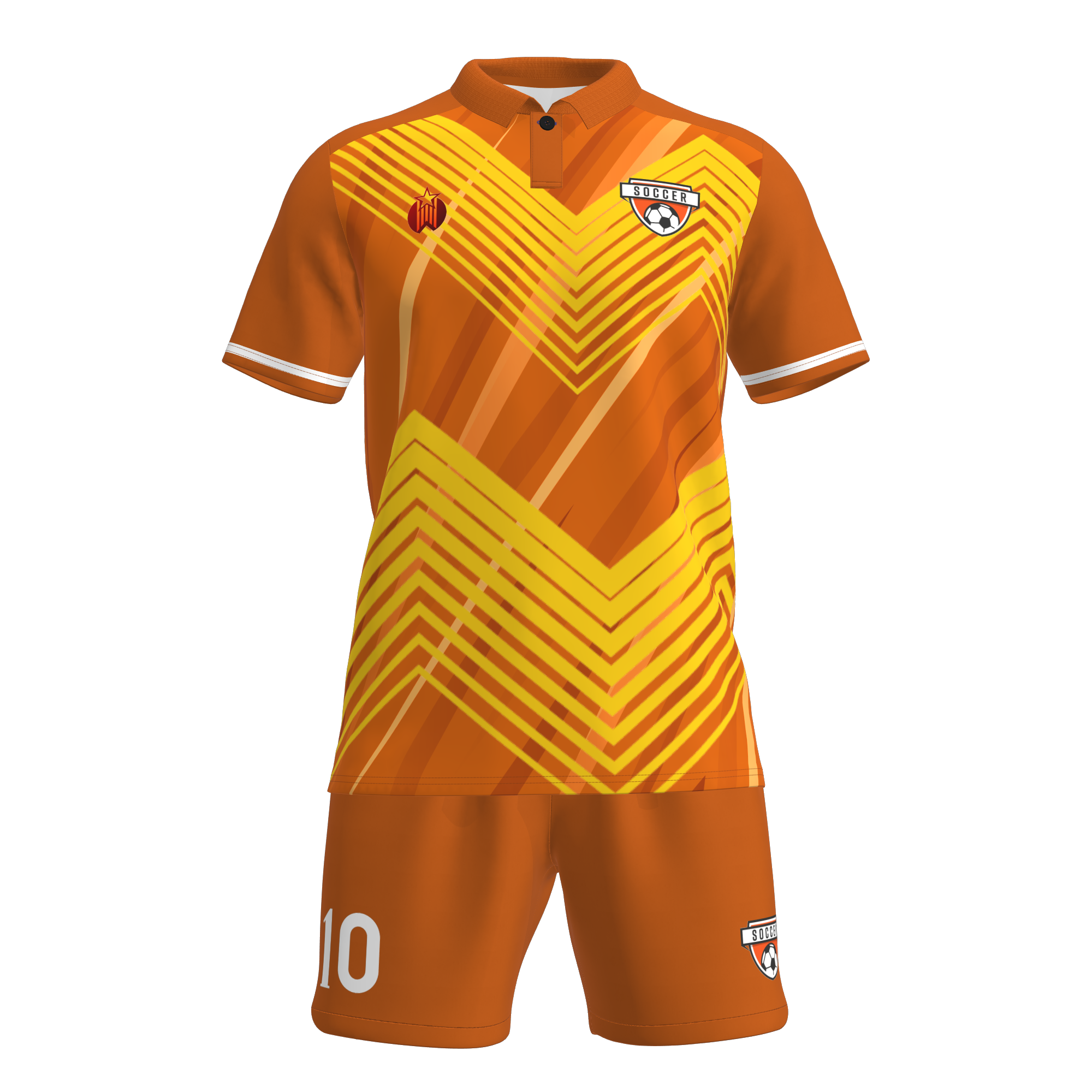
Choosing the right sportswear manufacturer is an important decision for any brand looking to build a competitive position in the teamwear and athletic apparel market. Beyond production capacity and unit pricing, brand owners need a manufacturing part...
READ MORE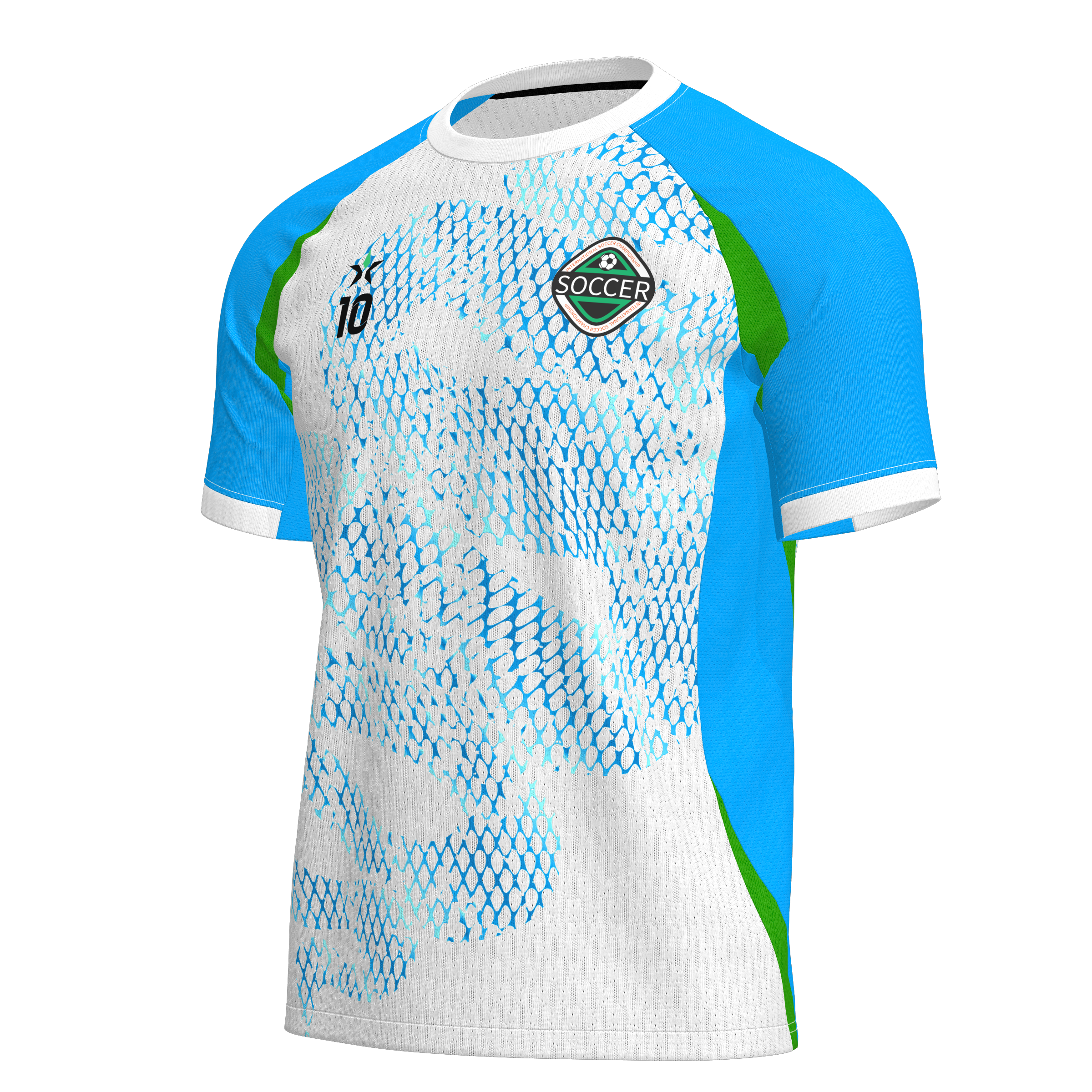
For football clubs, choosing the right custom football shirts involves more than selecting a color and adding a crest. Clubs need uniforms that represent their identity, provide comfort during training and matches, and fit within the available budget...
READ MORE
Calculating the total cost of a custom sportswear order involves more than comparing the unit prices offered by different manufacturers. For sportswear brands, distributors, sports clubs, and online retailers, the final cost depends on fabric selecti...
READ MORE