
For organizations that manage multiple sports teams, developing custom team uniforms requires careful coordination across different sports, age groups, performance requirements, and budgets. A football team may need lightweight jerseys designed for outdoor competition, while a basketball team requires greater freedom of movement and a construction suited to indoor play. Volleyball, baseball, and other sports introduce their own requirements for fit, fabric, and design.
Despite these differences, a multi-sport organization often wants a consistent visual identity across every team. Shared colors, recognizable logos, coordinated typography, and standardized design elements can help establish a professional image while allowing each sport to use apparel suited to its activities.
A successful custom team uniforms program balances organizational identity, sport-specific functionality, purchasing efficiency, and long-term consistency. With a clear planning process and a capable sportswear manufacturing partner, organizations can build coordinated uniform collections without treating every team as an entirely separate project.
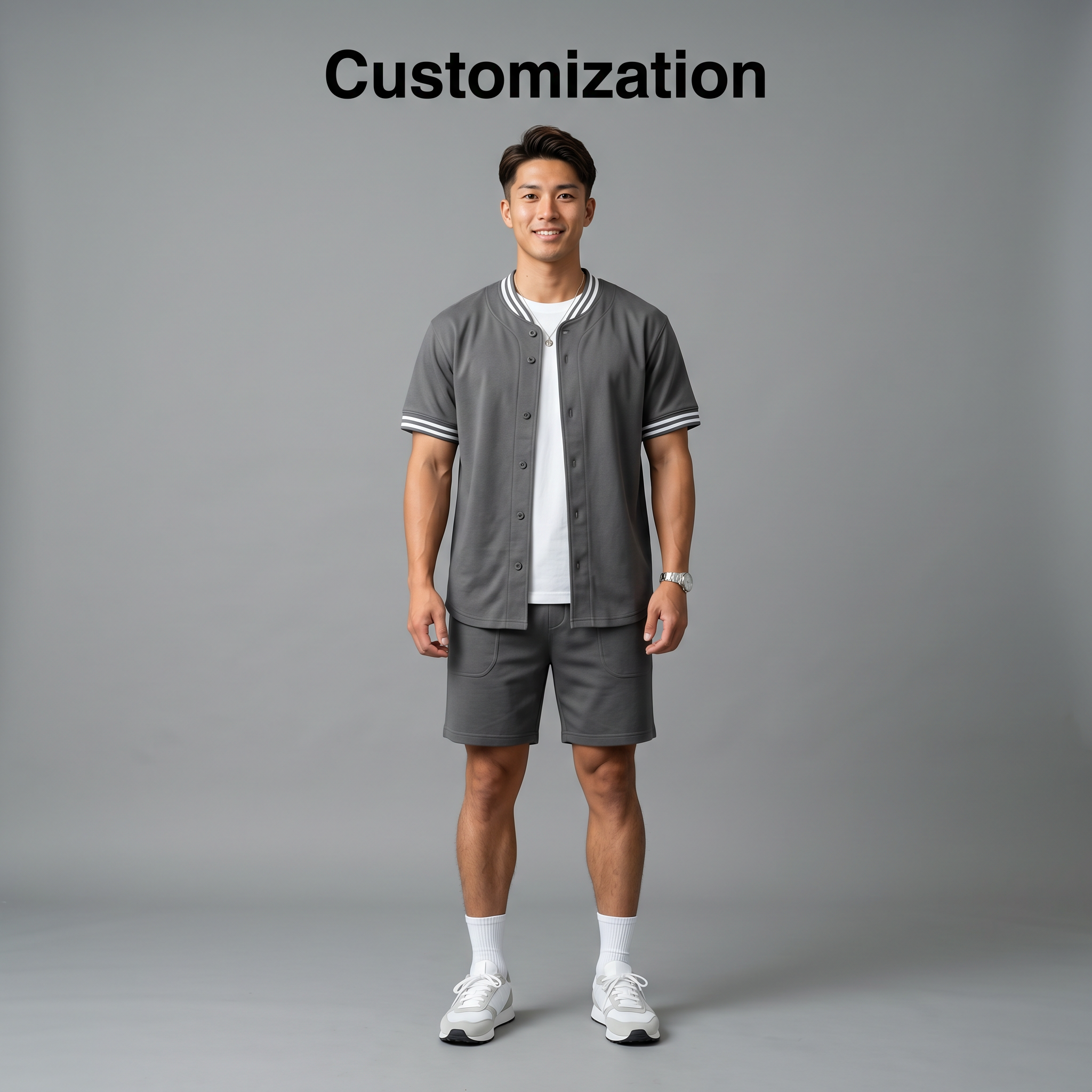
Before selecting fabrics or finalizing designs, establish how uniforms will represent the organization across different sports. This step is particularly important for schools, sports academies, club networks, training centers, and organizations that operate several teams under one name.
A recognizable uniform system helps connect teams even when they play different sports. The objective is not to make every garment identical, but to create a common visual language.
Start by defining the organization's core design elements:
Primary and secondary brand colors
Official logo and crest specifications
Typography for team names and player numbers
Rules for sponsor logos and partner branding
Placement standards for key visual elements
Guidelines for home, away, training, and competition apparel
These standards create a foundation for every sport-specific design. A basketball jersey and a football shirt can have different cuts and construction details while still looking like part of the same organization.
Not every design detail needs to be identical across all teams. Some elements should remain consistent, while others can adapt to the requirements of individual sports.
For example, the logo, core colors, and typography may be standardized, while fabric weight, neckline, sleeve construction, and graphic placement may vary.
Creating this distinction early helps avoid two common problems: uniforms that look unrelated to one another and uniforms that follow a rigid design system at the expense of comfort or performance.
A multi-sport uniform program should begin with the activities each garment must support. Different sports place different demands on clothing, so one fabric specification or garment pattern may not be suitable for every team.
Football uniforms need to support running, acceleration, and repeated movement throughout a match. Lightweight polyester fabrics, breathable constructions, and moisture-management features are common considerations.
Clubs may also require matching shorts, socks, goalkeeper kits, training shirts, and personalized player names and numbers. The uniform specification should account for these items as part of the wider teamwear collection.
Basketball apparel typically prioritizes unrestricted arm and upper-body movement. Sleeveless jerseys and coordinated shorts are common, while fabric breathability and comfortable construction are important during high-intensity indoor play.
Designers should consider how the jersey and shorts work together, including color blocking, number visibility, and the placement of team branding.
Volleyball uniforms must accommodate frequent jumping, diving, and rapid directional changes. Depending on the team and competition, the design may include jerseys, shorts, and specialized options such as libero uniforms.
Fit, stretch, seam placement, and comfort should be evaluated against the team's movement requirements and applicable competition rules.
Baseball apparel may involve button-front jerseys, coordinated pants, caps, and other accessories. The construction and fabric requirements differ from those of lightweight basketball or football kits.
For organizations that also operate running, training, or recreational teams, additional apparel categories may be needed. Each category should have its own functional specification within the broader uniform system.
The main principle is straightforward: standardize the brand identity, but customize the garment for the sport.
Fabric selection affects comfort, appearance, durability, and manufacturing cost. Choosing a suitable material for each sport is more effective than selecting one fabric for every item simply to simplify purchasing.
Players may sweat heavily during training and competition, especially in warm climates or indoor environments. Lightweight fabrics and breathable constructions can help improve comfort during active use.
Polyester is commonly used in performance teamwear because it is lightweight, versatile, and compatible with various printing methods. Breathable mesh may also be used in selected areas, depending on the garment design.
When comparing materials, evaluate:
Fabric composition and weight
Airflow and moisture-management characteristics
Softness and surface texture
Stretch and recovery where needed
Resistance to repeated washing
Compatibility with the planned printing or decoration method
The ideal combination will depend on the sport, climate, intensity of use, and expected product lifespan.
A competition jersey worn occasionally may have different requirements from a training shirt used several times each week. Youth academies and community programs may also need uniforms that can withstand frequent washing and regular use.
Rather than choosing solely by fabric price, assess the expected usage conditions and select a specification that meets those needs. For large organizations, a suitable balance between durability and unit cost can have a meaningful effect on long-term purchasing expenses.
When a program includes several sports, maintain a separate material specification for each garment category. Record the selected fabric, weight, color, construction, and any special performance requirements.
This documentation helps prevent unintended material substitutions and makes future reorders easier to manage.
Custom team uniforms should communicate a unified identity without making every sport look the same. A modular design system provides this flexibility.
Common visual elements can connect different teams. These may include a consistent logo treatment, a standard typography family, a recognizable color combination, or a repeated graphic motif.
For example, a football shirt might use a patterned side panel, while a basketball jersey uses a related pattern along the sides of the garment. The shapes differ, but the overall visual language remains recognizable.
This approach is useful for organizations with several teams, because it makes new uniform designs easier to develop without starting from scratch.
Team names, player numbers, and logos must remain clear on the finished garment. A visually complex design may look attractive in a digital mockup but become difficult to read when printed at actual size.
Check the contrast between the background and the numbers, the size of the crest, and the visibility of sponsor logos. The design should also account for seams, garment panels, and the different proportions of adult and youth sizes.
Where competition rules apply, confirm the relevant requirements for numbers, logos, and other identifying marks before approving the artwork.
Many organizations need several versions of the same uniform, such as home and away kits, goalkeeper or libero variations, warm-up apparel, and training garments.
Define which elements should remain unchanged across these versions and which can vary. A clear system helps teams maintain a consistent identity while making each uniform suitable for its intended purpose.
One of the biggest challenges in a multi-sport uniform program is managing many garment styles, sizes, quantities, and individual player details at the same time.
A well-organized specification reduces confusion during quotation, sampling, production, and delivery.
Create a master order sheet that identifies every sport, team, garment category, design version, size, and quantity. Individual player details should be recorded where personalization is required.
A useful order matrix may include:
Sport and team name
Garment type and design version
Colorway and approved artwork reference
Size and quantity breakdown
Player names and numbers
Logo and sponsor placement
Required accessories
Delivery date and destination
Packaging and labeling instructions
Keeping this information in one controlled document helps buyers identify missing details before the order enters production.
Sizing labels are not always consistent between manufacturers or markets. Organizations purchasing for international teams should confirm the applicable size chart and garment measurements.
Adult and youth sizes should be handled separately where necessary. If a team has a broad range of body types, the selected size range should accommodate those needs without compromising the intended fit.
For large orders, gathering player measurements or using a sample-fitting process can reduce the risk of ordering the wrong sizes.
Names, numbers, and individual identifiers require accurate information and consistent placement. A single spelling error or incorrectly assigned number can result in a garment that cannot be distributed as intended.
Confirm personalization lists before production and maintain a clear relationship between each player, size, garment, and design. Any changes made after approval should be documented and communicated to the manufacturer.
Managing several sports under one purchasing program can create opportunities for better coordination, but cost savings depend on how the project is structured.
The objective should be to reduce unnecessary complexity while preserving the features that matter most to each team.
Begin by identifying the requirements that cannot be compromised, such as appropriate fit, required competition markings, readable player numbers, and durable construction.
Then determine which optional elements provide genuine value. Complex patterns, additional sponsor graphics, special finishes, and extensive personalization may increase production requirements.
A simpler design can still look professional when the colors, proportions, typography, and logo placement are well coordinated.
Standardization may help reduce repeated artwork work and simplify ordering when several teams share a design system. For example, using the same approved logo files and typography rules across sports can reduce the need to recreate basic design assets.
However, do not assume that all garments can share the same fabric, pattern, or printing method. Sport-specific differences should be retained wherever they affect function or quality.
The unit price is only one part of the total purchasing cost. Sampling, artwork preparation, personalization, packaging, delivery, and potential replacements can also affect the overall budget.
When comparing manufacturers, confirm which services are included in each quotation and whether the pricing reflects the same material and customization specifications.
A clear comparison makes it easier to decide where the organization can save money and where additional investment is justified.
A digital mockup is useful for reviewing the design concept, but it cannot fully demonstrate fabric feel, garment fit, color appearance, or construction quality.
Sampling is especially valuable for multi-sport programs because each garment category may require different adjustments.
Rather than assuming one sample represents the entire program, evaluate samples for the different garment types included in the order. A football shirt cannot confirm the fit or construction of a basketball jersey, for example.
During review, check:
Appearance: Colors, logos, graphic alignment, typography, and overall design consistency.
Fit: Garment measurements, movement, neckline, sleeve shape, and length.
Material: Fabric weight, softness, breathability, and suitability for the intended activity.
Construction: Stitching, seams, finishing, and areas likely to experience repeated stress.
Personalization: Name spelling, number size, contrast, and placement.
If revisions are necessary, update the artwork and specification documents before approving the final sample.
Once approved, samples and associated specifications can serve as reference points for bulk production and future reorders. Record the final artwork version, fabric details, sizing standards, decoration methods, and any special requirements.
This is particularly useful for organizations that add new players throughout the year or reorder uniforms before each season.
A coordinated uniform program requires consistent quality management, but the inspection criteria should reflect the needs of each garment category.
Verify that incoming fabrics and decoration materials match the approved specifications. Differences in material composition, color, or surface texture may affect the finished product.
For multi-sport orders, ensure that each material is assigned to the correct garment and design.
The first production pieces should be reviewed against the approved samples and specifications. This provides an opportunity to identify issues before they are repeated across the full order.
Check key details such as color, artwork placement, measurements, printing quality, and construction.
Before packing, inspect finished garments against the order records. Depending on the project, this may include verifying sizes, quantities, personalization, labels, and packaging.
A clear inspection plan helps reduce the likelihood of receiving mixed sizes, incorrect player numbers, inconsistent designs, or garments that do not meet the agreed requirements.
Uniform requirements often change as organizations expand, recruit players, introduce new teams, or replace worn garments. Planning for these changes can make future purchasing more efficient.
Keep the approved artwork, color references, fabric specifications, size charts, and order history. When placing a repeat order, confirm that the original materials and production specifications are still available.
If a fabric or decoration method has changed, request a new sample or confirm the impact before proceeding.
Schools, academies, and club networks may need additional uniforms during a season. Consider likely recruitment, team expansion, and replacement requirements when planning quantities.
Avoid ordering excessive stock solely to reduce unit price. A more useful purchasing plan balances the benefits of bulk ordering against storage, changing roster sizes, and the possibility of future design updates.
A central contact or purchasing coordinator can help manage communications across multiple teams. Consolidating feedback and approving changes through a controlled process reduces the risk of different departments giving conflicting instructions.
A multi-sport uniform program requires more than garment production. The supplier must understand how to manage different specifications, coordinate design approvals, and keep order details organized.
When evaluating a custom team uniforms manufacturer, consider the following:
Experience producing different types of sportswear
Availability of sport-specific fabrics and garment constructions
Custom design and sampling capabilities
Ability to manage names, numbers, and size breakdowns
Quality control procedures
Communication during design and production
Flexibility for repeat orders and additional quantities
Clear quotations and realistic delivery schedules
Ask how the manufacturer will handle separate garment specifications, artwork revisions, sample approvals, and final inspection. A defined workflow is especially important when the order includes multiple sports and delivery requirements.
For sportswear brands and teamwear distributors, a reliable manufacturing relationship can also support a more consistent product range across different customer groups.
For organizations developing coordinated sportswear collections, a clear customization process helps turn brand requirements into practical garment specifications. YSTAR provides custom sportswear services that support design communication, sampling, and bulk production according to buyer requirements.
Organizations preparing a multi-sport project can begin by identifying the sports involved, the required garment categories, the core brand colors, logo files, size breakdowns, quantities, and target delivery dates.
It is also useful to separate shared brand standards from sport-specific requirements. This gives the manufacturer a clearer understanding of which design elements must remain consistent and which garments require different materials, fits, or construction details.
Developing custom team uniforms for a multi-sport organization requires a structured approach to design, performance, sizing, budgeting, and production. The strongest uniform programs combine a consistent visual identity with garment specifications tailored to each sport.
By defining shared brand standards, selecting appropriate materials, organizing personalization details, approving samples, and establishing quality control procedures, organizations can simplify purchasing while maintaining a professional appearance across their teams.
The goal is not to make every uniform identical. It is to create a coordinated collection in which each garment performs its intended role while clearly representing the same organization. With thoughtful planning and an experienced manufacturing partner, multi-sport organizations can build a uniform program that supports their teams today and remains manageable as they grow.
Choosing the right sportswear manufacturer is an important decision for any brand looking to build a competitive position in the teamwear and athletic apparel market. Beyond production capacity and unit pricing, brand owners need a manufacturing part...
READ MORE
For football clubs, choosing the right custom football shirts involves more than selecting a color and adding a crest. Clubs need uniforms that represent their identity, provide comfort during training and matches, and fit within the available budget...
READ MORE
Expanding into new teamwear categories can help sportswear brands reach additional customers, diversify revenue streams, and build stronger relationships with sports clubs, distributors, and retailers. However, introducing a new product category invo...
READ MORE