
Choosing the right sportswear manufacturer is an important decision for any brand looking to build a competitive position in the teamwear and athletic apparel market. Beyond production capacity and unit pricing, brand owners need a manufacturing partner that understands product development, maintains consistent quality, supports customization, and delivers reliably as their business grows.
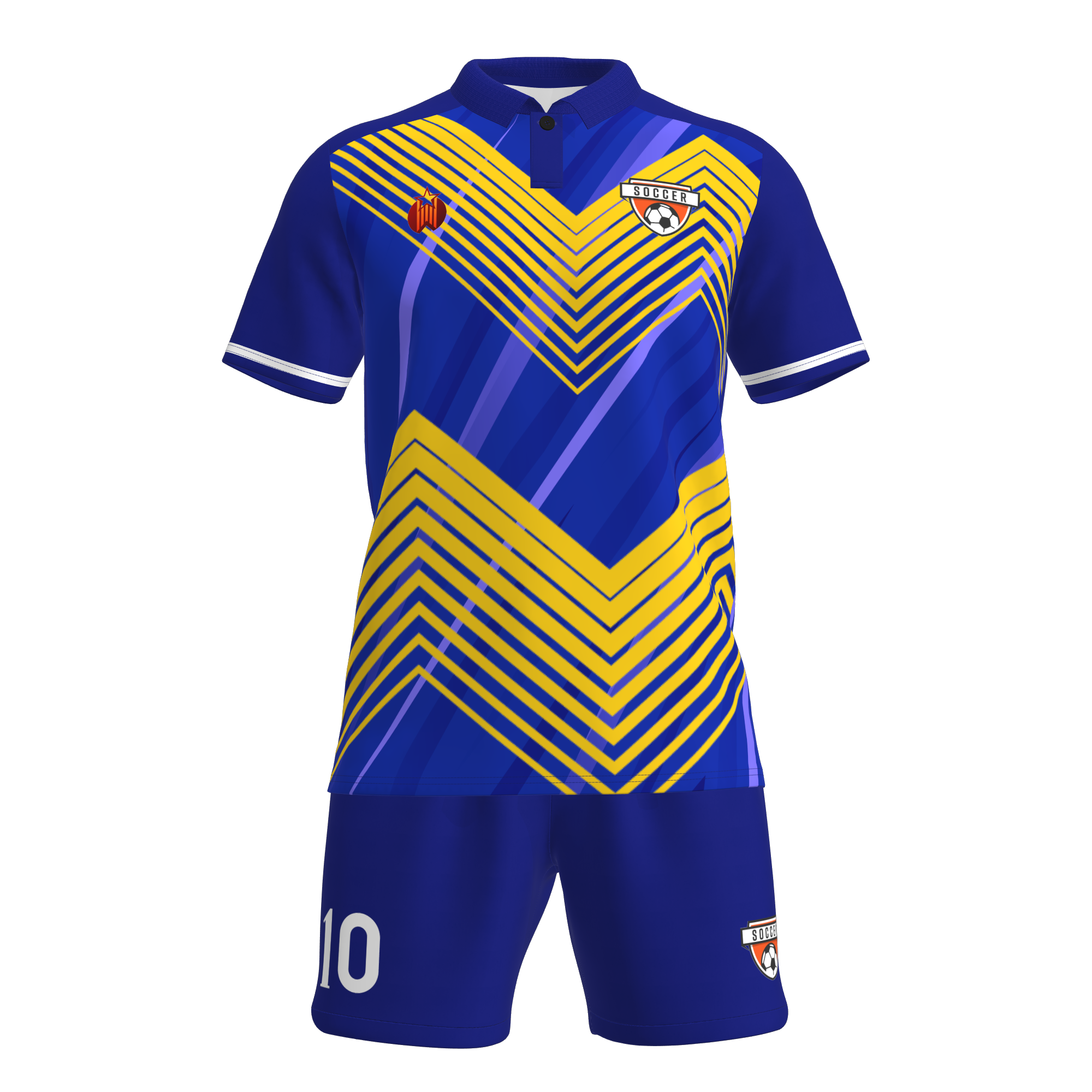
Whether a brand specializes in custom soccer jerseys, basketball uniforms, training kits, or multi-sport teamwear, the right manufacturing partner can help turn product concepts into market-ready collections. Understanding what to expect from a professional sportswear manufacturer makes it easier to evaluate suppliers, reduce production risks, and establish a long-term partnership.
A professional sportswear manufacturer should do more than reproduce a design file. It should understand the brand's target market, intended product applications, performance requirements, and visual identity.
For teamwear brands, these requirements may include specific color combinations, team logos, player names, numbers, fabric textures, and garment silhouettes. For private label brands, the priorities may extend to custom labels, packaging, size specifications, and a consistent visual identity across an entire collection.
Before production begins, brands should expect clear communication about design files, fabric selection, sizing, printing methods, and construction details. A structured development process helps identify potential problems early and reduces the likelihood of costly revisions after bulk production has started.
When evaluating a sportswear manufacturer, ask how it handles design revisions, technical specifications, sample approval, and communication between development and production teams.
Different sports place different demands on apparel. Soccer jerseys need lightweight, breathable materials suitable for running and repeated movement. Basketball uniforms require appropriate mobility and fit. Training kits must support repeated use, washing, and a variety of training environments.
A capable sportswear manufacturer should help brands select suitable materials, garment constructions, and decoration techniques according to the intended application.
Common customization options may include:
Fabric selection based on breathability, stretch, durability, and intended use
Custom colors, patterns, logos, names, and player numbers
Sublimation printing and other suitable decoration methods
Different garment cuts, sizing specifications, and fit requirements
Custom neck labels, hangtags, packaging, and private label details
Not every manufacturing facility offers the same range of options. Brand owners should confirm which services are available, which processes are handled in-house, and which specifications require additional development.
For businesses serving clubs, academies, distributors, and online sportswear customers, flexible customization can make it easier to develop differentiated collections without relying exclusively on standard designs.
A sample may look excellent, but the real test of a manufacturing partner is whether the approved specifications can be maintained throughout a full production run.
Quality consistency is especially important for team uniforms. A club may order multiple sizes, replace individual jerseys, or reorder the same design for a new season. Differences in color, logo placement, stitching, fabric feel, or measurements can affect the overall appearance and customer experience.
Before placing a bulk order, brands should understand how the manufacturer controls quality at different production stages.
A practical quality management process may include:
Incoming fabric and material inspection
Verification of colors, artwork, and technical specifications
Sample approval before bulk production
In-process checks for stitching, printing, and garment construction
Measurement checks against the approved size chart
Final inspection before packing and shipment
Brands should also ask how production defects are documented and handled. Clear inspection criteria and an agreed process for resolving quality issues help both parties manage expectations.
When comparing sportswear manufacturers, look beyond general claims about quality. Request details about inspection procedures, sample approval, defect handling, and the consistency of repeat orders.
As a sportswear brand grows, manufacturing requirements often become more complex. Orders may involve multiple designs, several colorways, a wide range of sizes, and different delivery dates. A supplier that can handle a small sample order may not necessarily be equipped to manage larger or more complicated production schedules.
A professional sportswear manufacturer should communicate its actual production capacity and explain how it plans production around order quantities, material availability, and delivery requirements.
Before confirming an order, discuss the following:
Minimum order quantities for each product and design
Sample development and approval timelines
Fabric and accessory procurement schedules
Bulk production lead times
Size and color breakdowns
Packaging requirements and shipping arrangements
Procedures for repeat orders and urgent replacements
Clear planning is particularly important for sports clubs preparing for a new season, distributors managing multiple customers, and brands coordinating product launches.
Rather than evaluating production capacity by volume alone, buyers should consider whether the manufacturer can maintain the required specifications while managing the order complexity and delivery schedule.
Good communication is a practical advantage throughout the manufacturing process. Misunderstandings about artwork, measurements, fabrics, or packaging can lead to delays and unnecessary costs.
A reliable manufacturing partner should establish clear approval points and maintain accurate product documentation. This may include technical packs, size charts, artwork files, material specifications, approved samples, packaging instructions, and production schedules.
For brands developing several sportswear categories, standardized documentation also helps maintain consistency between products and simplifies future reorders.
Before production starts, confirm who is responsible for approving designs, how changes are recorded, and what happens if a specification needs to be revised after sampling.
Written confirmation is particularly useful for complex orders involving multiple teams, large size ranges, or different products within the same collection.
Price is an important factor when selecting a sportswear manufacturer, but the lowest quoted unit price does not always represent the lowest total cost.
A complete cost assessment should consider sampling, material specifications, printing, labels, packaging, shipping, quality risks, and potential rework. Brands should also clarify whether quotations cover all requested customization and whether additional charges apply when quantities or specifications change.
For example, two suppliers may quote different prices for a custom soccer jersey because they use different fabric specifications, printing processes, stitching standards, or packaging arrangements. Comparing the figures without comparing the specifications can produce an inaccurate assessment.
To make a meaningful comparison, provide each potential supplier with the same design files, quantity breakdown, size chart, material requirements, and packaging instructions.
A professional sportswear manufacturer should be able to explain the main cost components and identify which options may help optimize the budget without compromising essential product requirements.
For brands building their own product lines, manufacturing support can extend beyond garment production.
Private label projects may require custom branding, labels, hangtags, packaging, and product specifications. OEM projects typically focus on manufacturing according to the buyer's established design and requirements, while ODM arrangements may involve additional product development support, depending on the manufacturer's capabilities.
Before starting a project, brand owners should confirm the scope of customization, ownership and use of design files, sample approval procedures, confidentiality expectations, and the handling of any custom-developed specifications.
This is particularly relevant for emerging sportswear brands that want to differentiate their collections while working with an external manufacturing partner.
A well-defined OEM or ODM process can help align product design, manufacturing requirements, and brand positioning before the first commercial order is placed.
Sportswear demand can change with league schedules, school terms, tournament calendars, seasonal promotions, and brand expansion. Manufacturers need to understand how these factors affect ordering and replenishment.
A dependable partner should communicate how it handles repeat production, material availability, design updates, and changes in order quantities. Brands should also ask whether the manufacturer can retain approved specifications and production records to support future orders.
For clubs and teamwear distributors, repeat-order consistency is especially valuable. Replacement garments and additional player kits should match the original design as closely as the agreed materials and production processes allow.
For growing brands, the ability to introduce new products while maintaining established styles can support a more organized product development strategy.
Buyers should discuss forecast sharing, production planning, and reorder lead times early rather than waiting until a major seasonal deadline approaches.
A structured supplier evaluation can help brands make more informed decisions. Instead of relying on a single quotation or a general capability statement, assess each manufacturer against the actual requirements of your business.
Consider the following checklist:
| Evaluation Area | Questions to Ask |
|---|---|
| Product experience | Has the manufacturer produced the sportswear categories you need? |
| Customization | Can it support your fabrics, colors, logos, labels, and packaging? |
| Sampling | Is there a clear sample approval and revision process? |
| Quality control | What inspections are performed before and during production? |
| Production capacity | Can it handle your expected quantities and order complexity? |
| Lead time | Are sampling, production, and shipping schedules clearly defined? |
| Pricing | Are all customization and packaging costs included in the quotation? |
| Communication | Are specifications, changes, and approvals documented clearly? |
| Repeat orders | Can approved designs and specifications be used for future production? |
| Partnership fit | Does the supplier understand your target market and growth plans? |
Where possible, begin with a clearly specified sample or an appropriate initial order. Use the results to assess communication, product quality, production accuracy, and the manufacturer's ability to follow agreed requirements.
The most suitable sportswear manufacturer is not necessarily the supplier with the largest facility or the lowest price. It is the partner whose capabilities match your product requirements, quality expectations, order structure, and growth plans.
A productive long-term relationship depends on clear specifications, realistic schedules, transparent pricing, consistent quality checks, and timely communication. Both parties should understand their responsibilities, approval procedures, and approach to resolving problems.
For sportswear brands, clubs, distributors, and private label businesses, a stable manufacturing relationship can simplify product development, support repeat orders, and create a more consistent customer experience.
Before committing to a long-term arrangement, define the expected product range, customization scope, order volumes, quality criteria, delivery requirements, and communication process. Reviewing these points together helps establish a practical foundation for cooperation.
YSTAR serves businesses looking for customized sportswear and teamwear solutions, including custom soccer jerseys and other team apparel. For brands planning a new collection or expanding an existing product range, discussing product specifications and manufacturing requirements early can help clarify the most suitable production approach.
When evaluating a potential manufacturing partner, prepare your design files, target quantities, size breakdown, fabric preferences, branding requirements, and expected delivery schedule. These details help establish a more accurate basis for product development and quotation.
If you are planning a custom sportswear project, contact YSTAR to discuss your requirements, explore available customization options, and determine the next steps for sampling and production.
A successful sportswear collection begins with clear specifications and a manufacturing partner that understands your business objectives.

In the competitive sportswear market, brands need more than attractive designs to build a successful product line. They must deliver consistent product quality, meet the expectations of different customer groups, manage production costs, and introduc...
READ MORE
A soccer jersey is more than a piece of sportswear. It represents a club's history, values, colors, and ambitions. From local community teams and youth academies to professional clubs and sports organizations, a consistent team appearance helps playe...
READ MORE
Calculating the total cost of a custom sportswear order involves more than comparing the unit prices offered by different manufacturers. For sportswear brands, distributors, sports clubs, and online retailers, the final cost depends on fabric selecti...
READ MORE