
For football clubs, choosing the right custom football shirts involves more than selecting a color and adding a crest. Clubs need uniforms that represent their identity, provide comfort during training and matches, and fit within the available budget. These requirements become even more important when ordering shirts for entire squads, youth teams, academies, or multiple club divisions.
A well-planned custom football shirt project balances visual design, fabric performance, fit, personalization, and production costs. By defining priorities before placing a bulk order, clubs can create professional teamwear without paying for features that offer little practical value.
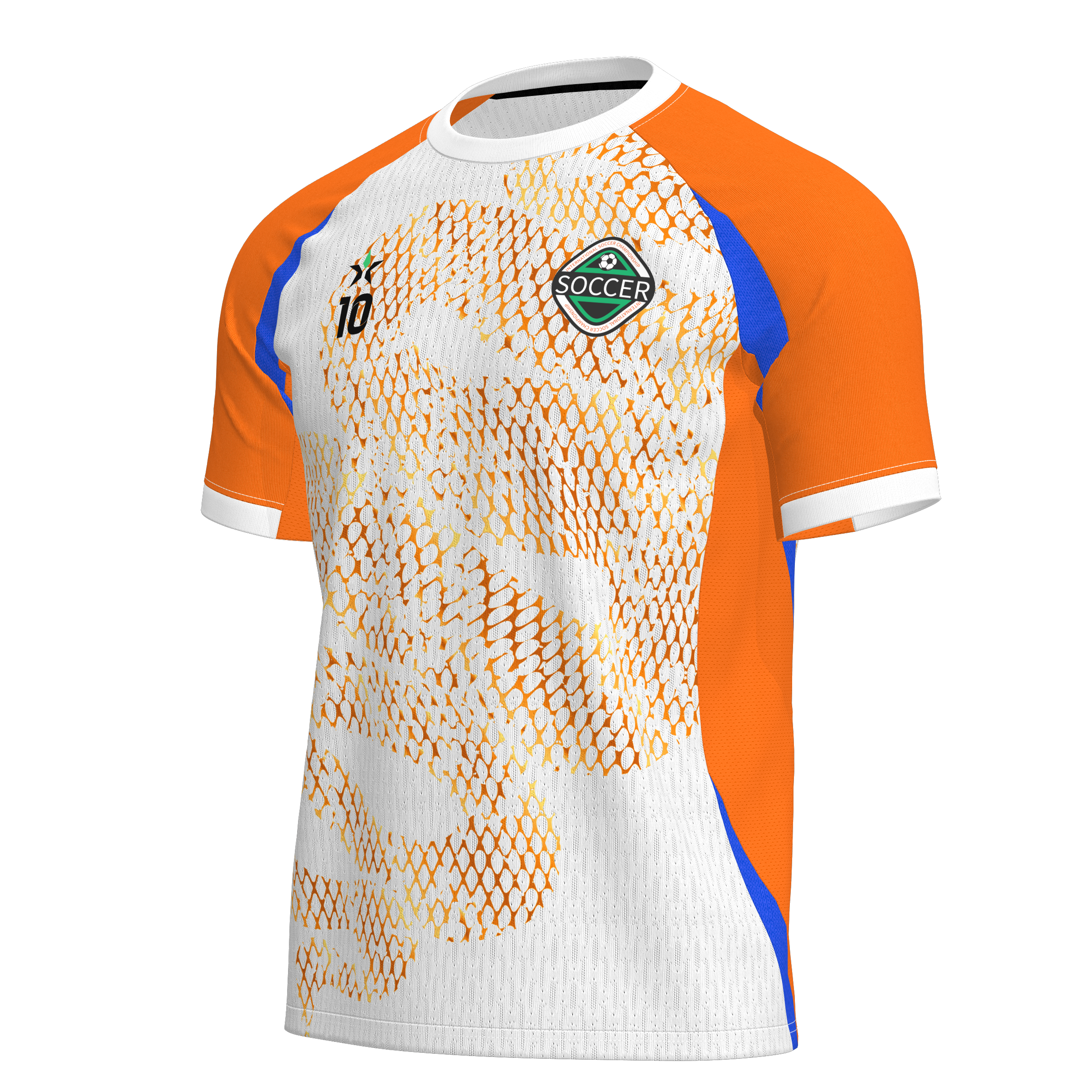
For sportswear brands, teamwear distributors, and football apparel retailers, understanding these factors also makes it easier to develop products that meet different customer needs.
A football shirt is one of the most recognizable elements of a club's identity. It helps players feel connected to their team and allows supporters to identify with the club during matches, tournaments, and community events.
Before developing a design, clubs should decide which visual elements are essential and which can be adjusted to manage costs.
Club colors are often closely associated with a team's history and reputation. A custom shirt design should preserve these colors while creating a clear, balanced appearance.
When selecting colors, consider:
Primary and secondary club colors
Contrast between the shirt, shorts, and socks
Visibility of player names and numbers
Compatibility with sponsor logos
Differences between home, away, and goalkeeper shirts
For clubs that need multiple uniform sets, establishing a consistent color system makes it easier to create a coordinated collection. An away shirt can introduce a different palette while retaining recognizable elements such as the crest, typography, or graphic style.
The club crest is usually one of the most important elements of a football shirt. Its size, placement, and reproduction quality should be confirmed before production.
Provide a high-resolution logo file whenever possible and specify whether the crest should be printed, transferred, embroidered, or applied using another suitable method. The best option depends on the design, fabric, desired appearance, and budget.
A clear crest with appropriate contrast often creates a more professional result than adding too many decorative details.
Sponsor logos can be essential for clubs that rely on sponsorship income. However, several logos in different colors and sizes can make a shirt visually crowded.
To maintain a clean design, establish clear rules for sponsor placement, logo dimensions, and color treatment. Where permitted by the sponsor, league, or competition requirements, use consistent positioning and suitable color variations.
The objective is to create a shirt that serves commercial requirements without weakening the club's visual identity.
Fabric selection directly affects comfort, durability, and overall product cost. The most expensive fabric is not necessarily the best choice for every club. The right material is the one that meets the team's performance needs and expected usage.
Football involves repeated running, sprinting, and changes of direction. Players therefore benefit from shirts that help manage perspiration and reduce the feeling of excessive heat.
Polyester is widely used in football teamwear because it is lightweight and suitable for many performance-apparel constructions. Breathable mesh may also be incorporated into selected areas to support airflow.
When evaluating fabric options, clubs should consider:
Weight and thickness
Air permeability and moisture management
Softness against the skin
Stretch and freedom of movement
Durability during repeated washing
Suitability for the local climate
The best specification depends on whether the shirts will be used for competitive matches, regular training, recreational football, or occasional events.
Not every team needs the same performance level. A competitive academy may prioritize lightweight construction and a close athletic fit, while a community club may place greater emphasis on durability, comfort, and overall cost.
Training shirts are often worn more frequently than match shirts, so resistance to repeated washing and everyday wear may be particularly important. For hot climates, lightweight and breathable options may be a priority. For cooler conditions, clubs may need to coordinate shirts with additional layers rather than choosing a heavier jersey for every situation.
Defining the intended use helps prevent unnecessary spending on specifications that do not improve the team's actual experience.
A football shirt should allow players to move freely without feeling excessively tight or loose. However, a single fit preference may not suit every player in a club.
Custom football shirts can be developed in different fit styles, including slim athletic cuts and more relaxed options. The appropriate choice depends on the team, playing level, personal preference, and intended use.
When ordering for a full squad, review the size chart and garment measurements rather than relying solely on standard labels such as S, M, L, and XL. Sizing can vary between manufacturers and markets.
For clubs with adult and youth teams, confirm the sizing standards for each group. Youth sizing should be evaluated separately to ensure that younger players receive appropriate proportions and comfortable movement.
A complete size breakdown helps the manufacturer plan production and reduces the risk of shortages or excessive stock in particular sizes.
Before confirming quantities, clubs should collect size requirements from players and check whether the manufacturer can accommodate the requested range. If the order includes multiple teams, separate the quantities by team, design, and size.
For larger orders, reviewing a physical sample or testing the fit on representative players can help identify issues before bulk production begins.
Customization allows clubs to create shirts that feel unique, but every additional feature may affect production complexity, cost, or lead time.
The key is to distinguish between essential identity elements and optional design enhancements.
For most clubs, the following elements form the foundation of a custom football shirt:
Club crest
Main shirt colors
Player names and numbers, where required
Sponsor logos
Agreed collar and sleeve design
Consistent sizing and placement specifications
These features should be defined early because they influence artwork preparation, sampling, and production planning.
Depending on the budget, clubs may also consider gradient effects, custom patterns, contrast panels, special collar details, sleeve graphics, or additional personalized elements.
Full-color sublimation printing can be suitable for designs that use complex patterns or multiple colors on appropriate fabrics. Other decoration methods may be more appropriate for certain logos or design requirements.
Instead of adding every available feature, choose enhancements that strengthen the club's identity or improve the appearance and function of the garment.
The total cost of a custom football shirt is influenced by more than the base garment price. Understanding the main cost drivers helps clubs make informed decisions and compare supplier quotations fairly.
Production quantity can influence unit cost because setup, artwork preparation, sampling, and other fixed activities are distributed across the order.
However, ordering more shirts than the club can reasonably use may create unnecessary inventory expenses. Clubs should estimate current squad requirements, likely new-player demand, and replacement needs before deciding on the order quantity.
For distributors and sportswear businesses, demand forecasts and size-level sales data can help determine a more appropriate purchasing volume.
Fabric composition, weight, texture, and construction complexity can all affect pricing. Additional panels, specialized materials, and more complicated garment designs may increase production requirements.
A practical approach is to establish a minimum acceptable performance specification first. Then compare available materials that meet those requirements instead of choosing solely by price or appearance.
A simple design with a crest and player numbers may require less artwork and production complexity than a shirt featuring gradients, multiple sponsor logos, and detailed all-over graphics.
Names and numbers also require accurate player information and careful order management. For large squads, a well-organized personalization list can reduce errors and avoid costly rework.
Individual packaging, labeling, size sorting, and shipment arrangements may contribute to the overall order cost.
Clubs should confirm whether the quotation includes these services, along with sampling, artwork preparation, shipping, and any applicable charges. Comparing quotations on the same basis provides a clearer picture of the total cost.
A low initial price can be attractive, particularly for clubs with limited funding. However, a shirt that loses its appearance quickly or does not fit properly may need to be replaced sooner.
A more useful comparison considers the expected service life, performance, consistency, and replacement requirements of the garment.
Football shirts are exposed to perspiration, friction, frequent washing, and repeated use. Fabric quality, stitching, printing, and finishing all contribute to how well a garment holds up.
During sample evaluation, check the seams, collar construction, graphic edges, and overall finish. Ask whether the selected material and decoration method are suitable for the team's expected washing and usage conditions.
For training apparel, where shirts may be worn several times a week, durability can have a significant effect on long-term value.
A club does not always need the most advanced fabric or the most elaborate design. A straightforward shirt can still look professional when colors, proportions, and graphics are well coordinated.
To control costs, consider simplifying low-priority graphic details, standardizing designs across teams where appropriate, and selecting a suitable fabric specification that meets the actual playing requirements.
Keep essential elements such as the club crest, readable numbers, appropriate fit, and reliable construction as priorities.
Sample approval is an important step in reducing the risk of receiving shirts that differ from the club's expectations.
A digital mockup can help confirm the design concept, but it cannot fully demonstrate fabric feel, physical color, fit, or the finished appearance of printing and construction.
Before approving a sample, evaluate:
Color accuracy: Confirm that the main colors and contrast details match the approved references.
Logo quality: Check the crest, sponsor logos, names, and numbers for clarity and correct placement.
Fit and measurements: Compare the sample with the agreed size chart and intended fit.
Fabric comfort: Evaluate softness, breathability, weight, and freedom of movement.
Construction quality: Review stitching, seams, collar shape, sleeve finishing, and overall workmanship.
Design consistency: Check that the physical shirt matches the approved artwork.
If any adjustments are needed, document them clearly and request confirmation before the bulk order proceeds.
Once the sample is approved, record the final artwork, fabric specification, size chart, decoration method, and personalization details. This creates a shared reference for the buyer and manufacturer.
For repeat orders, retaining these records makes it easier to reproduce the design and identify any changes that need approval.
Clubs with multiple squads often need several designs, a broad size range, and different quantities for each team. Organizing this information before production helps reduce mistakes and improves cost control.
If adult, youth, and reserve teams use a shared design, coordinating their requirements may simplify artwork management and production planning. However, differences in fit, fabric, or competition requirements should be documented separately.
A clear order sheet should include:
Team or department name
Shirt design and colorway
Quantity by size
Player names and numbers
Sponsor and crest specifications
Delivery deadline
Packaging and labeling instructions
The more complete the information, the easier it is for the manufacturer to confirm feasibility and prepare an accurate quotation.
Custom football shirts require time for design confirmation, sampling, revisions, manufacturing, quality checks, and shipping. Clubs preparing for a new season or tournament should work backward from the required delivery date.
Confirm the production schedule with the supplier and allow time for sample revisions or corrections. Rushed approvals can increase the likelihood of mistakes, while late design changes may affect cost and delivery.
The manufacturer plays an important role in balancing design, comfort, and budget. A suitable supplier should be able to communicate clearly, explain available customization options, and help buyers translate their requirements into practical production specifications.
When evaluating a custom football shirts manufacturer, consider the following factors:
Experience with custom teamwear and football apparel
Available fabric and fit options
Ability to follow approved artwork and color references
Sampling and revision procedures
Quality inspection processes
Capacity to manage bulk orders and personalization
Communication during production
Clarity of quotations, timelines, and delivery arrangements
Rather than comparing suppliers on unit price alone, assess whether they can meet the club's requirements within the agreed budget and schedule.
For sportswear brands, distributors, and teamwear retailers, these considerations also help establish a more dependable supply relationship for future orders.
For clubs and businesses developing custom football shirts, a clearly defined customization process helps turn design ideas into production-ready garments. YSTAR offers custom sportswear services that support design communication, sample development, and bulk manufacturing according to buyer requirements.
Before requesting a quotation, clubs can prepare their preferred colors, crest and sponsor files, fabric preferences, size breakdown, player personalization list, expected quantity, and target delivery date. Providing these details early helps clarify the project scope and makes it easier to evaluate suitable options.
Whether the priority is a distinctive club identity, comfortable matchwear, or a cost-conscious team order, the goal is to establish the essential requirements first and select customization features accordingly.
Custom football shirts help clubs express their identity, equip players comfortably, and present a consistent image across teams and competitions. Achieving the right balance requires careful decisions about colors, fabrics, fit, customization, and total order cost.
The most effective approach is to prioritize the features that matter most to players and the club, approve a representative sample, and document the specifications before bulk production begins. Comparing suppliers on quality, service, and total cost—not just the initial unit price—can also help avoid unnecessary expenses.
With clear planning and a reliable manufacturing partner, clubs can develop custom football shirts that look professional, support comfortable play, and stay within a realistic budget.
Choosing the right sportswear manufacturer is an important decision for any brand looking to build a competitive position in the teamwear and athletic apparel market. Beyond production capacity and unit pricing, brand owners need a manufacturing part...
READ MORE
Turning a sportswear design concept into a market-ready product requires more than an attractive appearance. Brands must consider fabric performance, garment construction, sizing, customization methods, production costs, quality control, and delivery...
READ MORE
Launching a custom sportswear collection involves more than choosing a design and selecting a fabric. Before manufacturing begins, brands need to communicate detailed product requirements to ensure that the finished garments match their expectations....
READ MORE