
Turning a sportswear design concept into a market-ready product requires more than an attractive appearance. Brands must consider fabric performance, garment construction, sizing, customization methods, production costs, quality control, and delivery schedules. Every decision affects how the final product looks, performs, and meets customer expectations.
For sportswear brands, sports clubs, distributors, and private label businesses, custom sportswear manufacturing offers an opportunity to develop distinctive products that reflect their brand identity and target market. However, a successful project depends on translating creative ideas into clear technical specifications that a manufacturing team can reproduce consistently.
Understanding each stage of the manufacturing process helps businesses reduce development risks, improve product quality, and bring new sportswear collections to market with greater confidence.
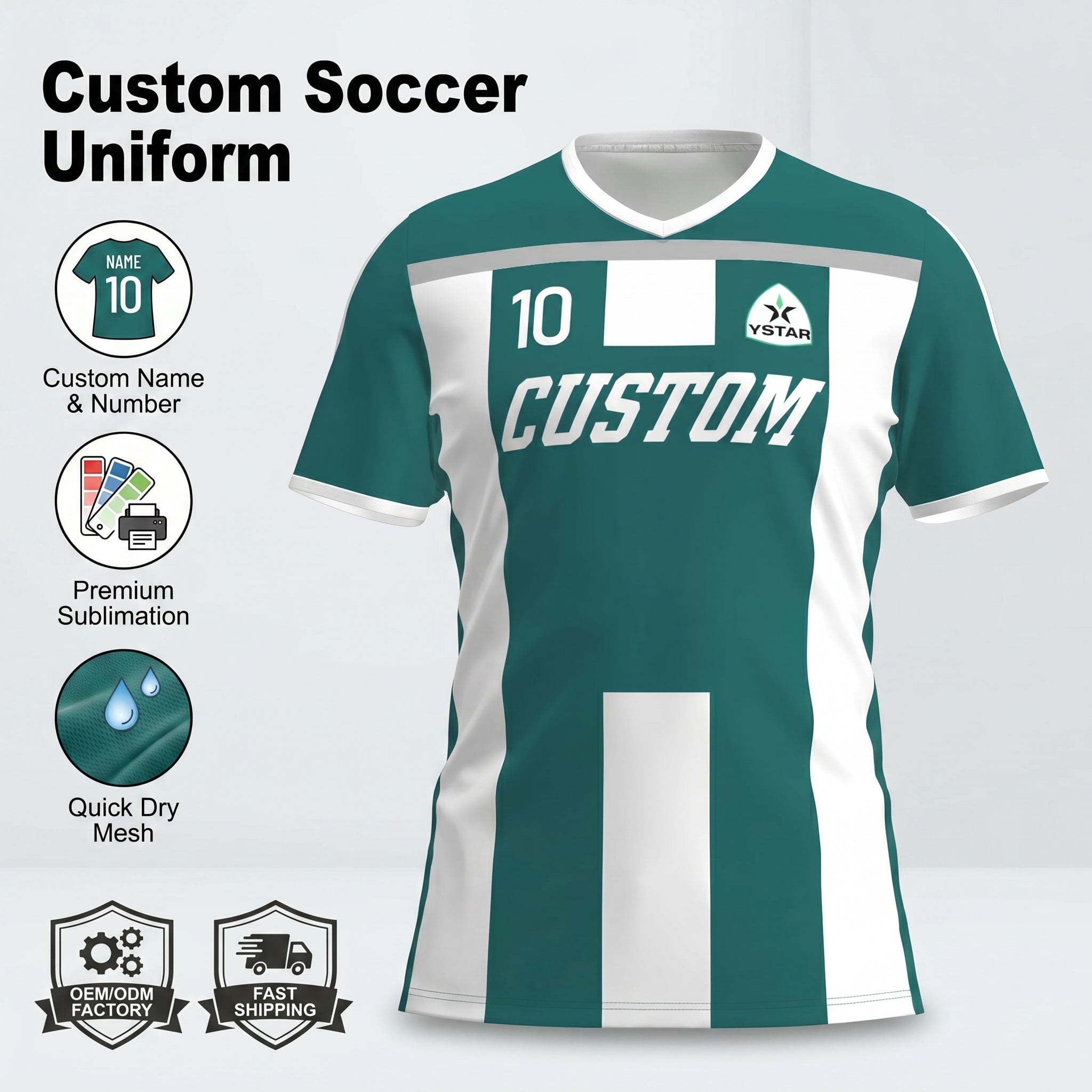
Every successful custom sportswear project begins with a clear product concept. Before choosing fabrics or requesting a sample, brands should determine who the product is designed for, how it will be used, and what differentiates it from competing products.
A custom soccer jersey developed for a competitive club may require lightweight fabric, breathable construction, and a fit that supports frequent movement. A training shirt intended for regular practice may prioritize durability, comfort, and ease of care. A private label sportswear collection may place additional emphasis on consistent branding, coordinated designs, and packaging.
These differences influence nearly every subsequent manufacturing decision.
Before contacting a manufacturer, prepare a brief covering the following points:
Product category and intended application
Target customer and market positioning
Preferred garment fit and sizing range
Desired fabric characteristics
Color palette, artwork, and branding requirements
Estimated order quantity
Target price range and delivery schedule
A well-defined brief gives the manufacturing team a clearer understanding of the project and helps establish realistic expectations for development, sampling, and production.
A design concept may begin as a sketch, reference image, digital illustration, or existing garment. To manufacture the product accurately, the concept must be translated into a practical set of technical instructions.
For custom sportswear, these instructions are often organized into a technical pack. Depending on the garment, it may include front and back design views, measurements, fabric composition, color references, stitching details, logo placement, printing specifications, and labeling requirements.
For example, a teamwear project may require precise positioning of a club crest, sponsor logo, player number, and individual name. Without clear artwork files and placement instructions, these elements may appear differently across sizes or production batches.
A useful technical pack should answer several questions:
What should the finished garment look like?
Which materials and construction methods should be used?
How should the garment fit across the required size range?
Where should logos, names, numbers, and other graphics appear?
Which details must remain consistent during repeat production?
Brands that do not have complete technical documentation can discuss their initial concept with a suitable manufacturing partner. The available development support will depend on the manufacturer's design capabilities and project scope.
Clear specifications create a shared reference point for designers, sample makers, production teams, and quality inspectors.
Fabric selection has a direct influence on comfort, durability, appearance, and manufacturing cost. Choosing a material simply because it looks attractive may result in a product that does not perform as expected in its intended application.
Different sportswear categories require different material characteristics.
For soccer jerseys and training shirts, buyers may prioritize breathability, moisture management, lightweight construction, and freedom of movement. Basketball uniforms may require suitable flexibility and ventilation. Training apparel intended for repeated use may need fabrics that retain their appearance and structure after regular washing.
When evaluating materials, brands should consider:
Fabric composition: Polyester, polyester blends, and other suitable materials may offer different combinations of durability, stretch, comfort, and care requirements.
Weight and thickness: Fabric weight affects garment feel, drape, opacity, and suitability for different conditions.
Stretch and recovery: These properties influence mobility and the ability of a garment to maintain its shape.
Surface and texture: Fabric texture affects appearance, printing suitability, and the overall perception of product quality.
Color and printing compatibility: Materials must be compatible with the selected decoration process and the desired visual result.
Cost and availability: Material choices should align with the target price, expected order quantity, and production schedule.
Whenever possible, evaluate fabric samples before approving a final specification. The selected material should meet both functional requirements and the intended brand positioning.
Customization helps transform a standard garment into a product that reflects a specific brand, team, or organization. The right decoration method depends on the design, fabric, order quantity, visual requirements, and intended use.
Common options for custom sportswear include sublimation printing, screen printing, heat-applied graphics, embroidery, and other suitable branding techniques.
Sublimation printing is often considered for polyester sportswear featuring complex patterns, gradients, multiple colors, or all-over graphics. Other printing methods may be appropriate for specific logos, text, or simpler artwork. Embroidery can provide a distinctive raised finish for selected applications, although its suitability depends on the garment construction and design.
Each method has practical considerations:
Design complexity: Fine details and complex color transitions may influence the suitable process.
Fabric compatibility: Not every decoration method works equally well with every material.
Durability requirements: Graphics should be evaluated for their intended washing and wear conditions.
Placement accuracy: Logos, numbers, and text need clear positioning specifications.
Production efficiency: Setup requirements and processing time can affect project cost and lead time.
For brands ordering team uniforms, consistency across garments is especially important. Approving artwork placement and decoration samples before bulk production helps reduce avoidable differences between finished products.
Sampling is one of the most important stages in custom sportswear manufacturing. It gives the brand an opportunity to evaluate the product before committing to a larger order.
A sample should be assessed against the agreed design and technical specifications rather than judged solely by its overall appearance.
Key evaluation areas include garment measurements, fit, fabric feel, stitching quality, print clarity, logo placement, color accuracy, and finishing details. Depending on the intended application, brands may also evaluate comfort and movement during typical use.
For teamwear collections, it is important to check the size chart and determine whether the selected grading approach provides a consistent fit across the intended range.
If revisions are needed, provide specific feedback. Instead of saying that a garment feels too loose, identify the relevant measurement or area that needs adjustment. Instead of requesting a more prominent logo, specify its intended dimensions and position.
A structured sample review should record:
Approved design and artwork
Confirmed fabric and color
Required measurement changes
Printing and branding adjustments
Construction and finishing corrections
Final approval before bulk production
The number of sample rounds and associated costs should be confirmed with the manufacturer in advance. Clear approval procedures help both parties manage development time and production expectations.
Once the product specification and sample are sufficiently developed, the next step is to confirm the commercial details.
Custom sportswear pricing depends on multiple factors, including fabric selection, garment construction, decoration methods, order quantity, labels, packaging, and quality requirements. Products with extensive customization may involve additional development or setup costs.
Brands should request a quotation based on a clearly defined specification. Comparing suppliers using the same fabric requirements, design files, quantity breakdown, and packaging instructions makes price differences easier to evaluate.
Before placing an order, confirm the following:
Minimum order quantity for the selected product
Price and quantity breaks, if available
Sample fees and revision costs
Payment terms
Material procurement and production lead times
Packaging and shipping arrangements
Procedures for approving production changes
Delivery planning deserves particular attention when products are needed for a tournament, school season, club launch, or promotional campaign.
The expected timeline should account for sample approval, material availability, production, inspection, packing, and transportation. Brands should obtain a project-specific schedule rather than assume every product follows the same lead time.
A successful sample does not automatically guarantee that every bulk-produced garment will match it. Quality standards must be communicated and checked throughout production.
Before manufacturing begins, the buyer and supplier should agree on the approved sample, fabric specifications, measurements, color references, artwork placement, stitching details, and acceptable tolerances.
A practical quality control process may include incoming material checks, in-process inspection, measurement verification, decoration checks, and final inspection before shipment.
For custom sportswear, particular attention should be paid to:
Fabric defects and color variation
Garment measurements and size consistency
Stitching, seams, and finishing
Print clarity and logo positioning
Names and numbers on personalized team uniforms
Labels, packaging, and order quantities
Large team orders may contain many sizes and individual player details. A structured order sheet helps prevent errors and supports accurate packing.
Brands should also clarify how defects, production deviations, and replacement requirements will be handled. Documented quality criteria make it easier to identify problems and agree on corrective action.
Sizing can become complicated when one order includes multiple teams, age groups, body types, or individual player requirements.
A brand may have an approved design but still encounter difficulties if the size chart is incomplete or the garment fit varies between sizes. These problems can lead to customer complaints, replacement requests, and additional costs.
Before bulk production, establish the complete size breakdown and ensure that the sizing information matches the intended customer group.
For personalized teamwear, use a structured roster containing the required garment size, player name, number, and any other customization details. Confirm spelling, number assignments, and artwork requirements before production starts.
When repeat orders are expected, retain approved size charts and product specifications. This documentation can help maintain consistency when new players join a team or additional garments are required later.
For distributors and sportswear brands, reliable sizing and personalization processes can become an important part of delivering a professional customer experience.
Custom sportswear manufacturing should not be treated as a one-time transaction if the brand plans to develop a long-term product line.
After completing an order, review the finished products against the original requirements. Gather feedback on fabric comfort, fit, appearance, packaging, delivery performance, and any recurring quality issues.
This information can guide improvements to the next production run.
Brands can also maintain a product specification library containing approved designs, material details, size charts, artwork files, labels, and packaging instructions. Keeping these records organized makes it easier to develop complementary products and reorder established styles.
For example, a brand that begins with custom soccer jerseys may later introduce matching shorts, training tops, jackets, or other teamwear products. Reusing established branding standards and documentation can simplify coordination across the collection.
A repeatable development process helps businesses manage complexity as the number of products, customers, and orders grows.
The right manufacturing partner should understand the brand's product requirements and be able to communicate clearly throughout development and production.
When evaluating a potential supplier, consider more than the quoted unit price. Ask about its experience with your product category, customization options, sample development process, quality management, production capacity, and ability to handle repeat orders.
Useful questions include:
Can the manufacturer produce the required garment types and construction details?
Which fabrics and decoration methods are available?
What information is needed to prepare an accurate quotation?
How are samples reviewed and approved?
What quality checks are performed before shipment?
How are order changes and production issues communicated?
Can the supplier support the expected quantities and delivery schedule?
It is also useful to clarify which processes are completed in-house and which rely on external partners. This helps establish realistic expectations about customization, production coordination, and lead times.
A suitable manufacturing relationship is built on clear requirements, documented approvals, transparent communication, and a shared understanding of quality expectations.
YSTAR serves businesses seeking custom sportswear and teamwear solutions, including custom soccer jerseys and other team apparel. For brands, clubs, and distributors planning a new product or expanding an existing collection, defining the project requirements early can make the manufacturing process more efficient.
To begin a project discussion, prepare your design concept, product category, estimated quantity, size range, fabric preferences, branding details, and target delivery date. If you already have a technical pack or reference sample, these materials can help clarify the required specifications.
The next steps may include reviewing customization options, confirming the scope of development, evaluating a sample, and establishing the commercial and production requirements for the order.
Before proceeding, confirm the available services, minimum order quantities, sample arrangements, quality standards, and delivery schedule directly with the manufacturing team.
Whether you are developing a new teamwear collection or refining an established product line, a structured approach to custom sportswear manufacturing can help turn your design concept into a product that is ready for the market.
Turning a design concept into a market-ready sportswear product requires coordination across design, materials, customization, sampling, quality control, and production planning.
Brands that define their requirements clearly and evaluate samples carefully can reduce avoidable revisions and create a more reliable foundation for bulk manufacturing. Maintaining approved specifications and reviewing production results also supports consistency across repeat orders and future collections.
For sportswear brands, clubs, distributors, and private label businesses, the goal is not simply to manufacture a garment. It is to develop a product that meets functional expectations, reflects the brand's identity, and can be produced according to realistic commercial requirements.
With a clear product brief and a suitable manufacturing partner, custom sportswear can become a structured and scalable part of a brand's growth strategy.
Learn how panel and full inspection cut defects, stabilize output and safeguard brand reputation for sportswear sourcing.
READ MORE
In the competitive sportswear market, brands need more than attractive designs to build a successful product line. They must deliver consistent product quality, meet the expectations of different customer groups, manage production costs, and introduc...
READ MORE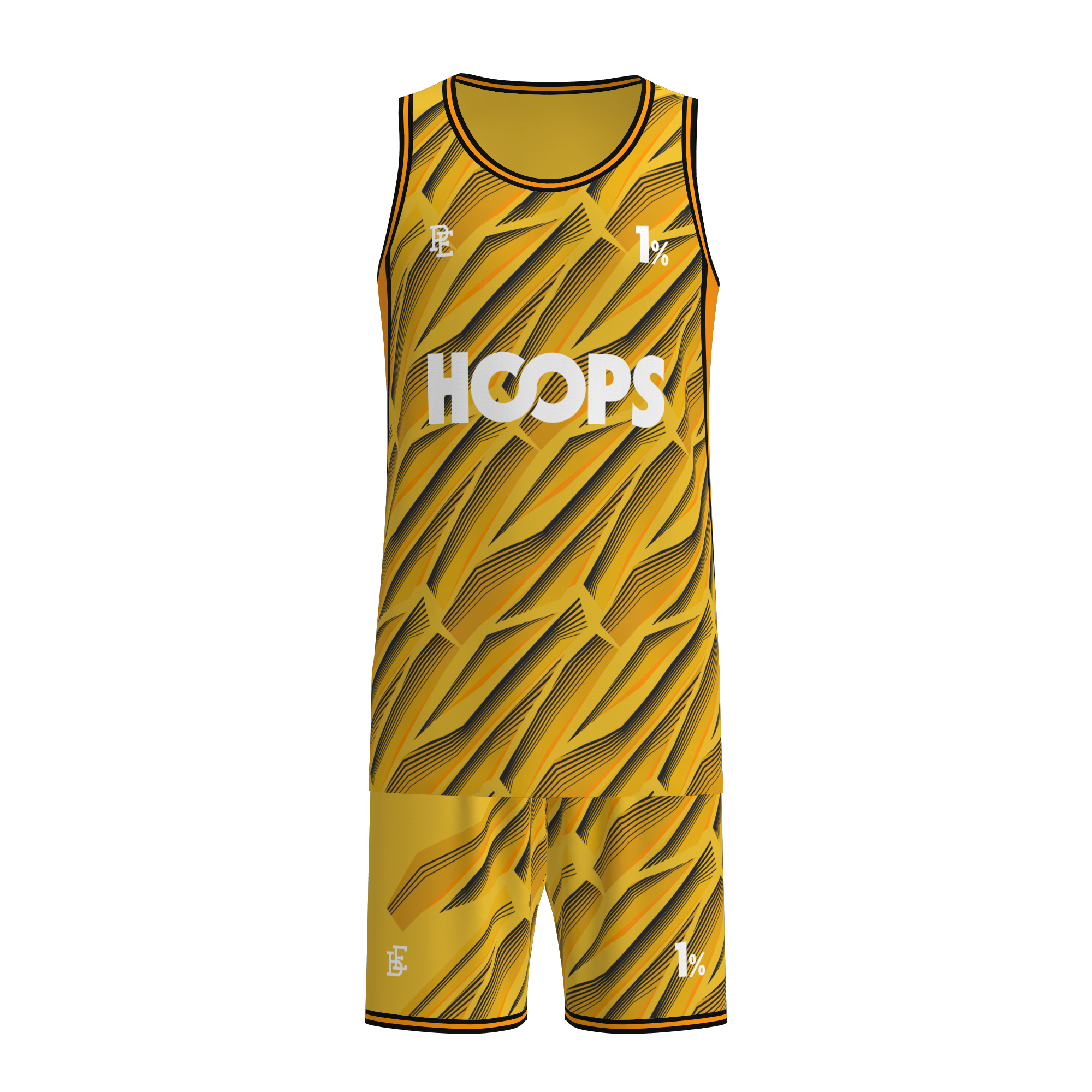
Choosing the right basketball uniforms is an important decision for schools, basketball clubs, and sports academies. Uniforms need to provide comfort during training and competition, accommodate different age groups, represent the team's identity, an...
READ MORE