
Why Panel Inspection and Full Inspection Matter in Sportswear ManufacturingIn today’s highly competitive sportswear industry, quality is no longer optional. Whether a customer is building a premium athletic brand, running an e-commerce business, managing a sports team, or developing a private-label collection, product consistency and reliability directly affect business reputation. Buyers are not simply purchasing garments; they are investing in trust, delivery stability, and long-term partnerships.
At our sportswear manufacturing factory in Quanzhou, China, we understand that every detail matters. From sublimated football jerseys and basketball uniforms to training wear and custom activewear, every piece we produce represents our customer’s brand image. That is why we implement strict quality control systems throughout the entire production process, including panel inspection and full inspection.
These quality control procedures are not just manufacturing steps. They are part of a professional production system designed to minimize risk, improve consistency, reduce defects, and ensure that customers receive products they can confidently sell to their own clients.
This article explains the importance of panel inspection and full inspection, how they work, why professional factories invest heavily in these systems, and how these procedures protect buyers from unnecessary production risks.
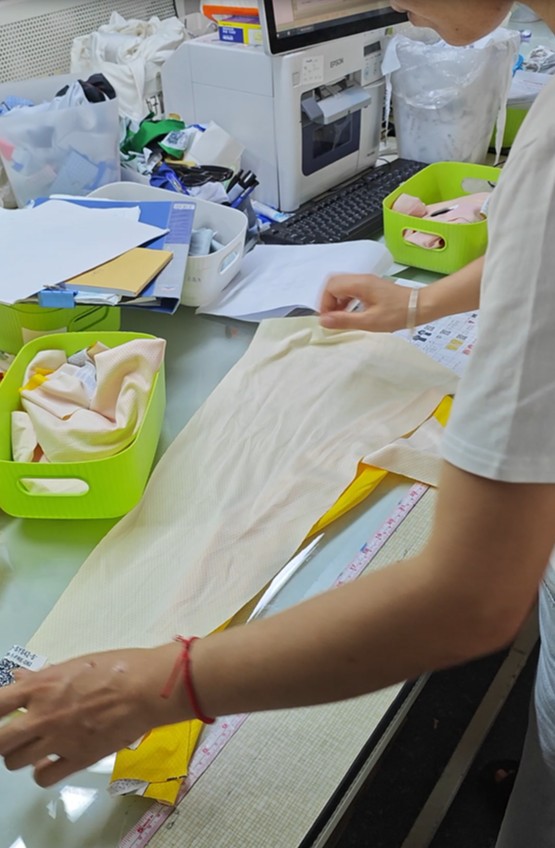
What Is Panel Inspection?
Panel inspection refers to the quality control process carried out before garment assembly. In sportswear manufacturing, especially for sublimation printing and custom apparel production, garments are first cut into separate fabric panels before sewing. These panels include front panels, back panels, sleeves, collars, side panels, and shorts components.
Before these individual pieces move to the sewing department, they are carefully inspected by quality control staff.
The inspection process typically includes:
• Checking print accuracy
• Verifying logo placement
• Inspecting color consistency
• Detecting fabric defects
• Confirming panel matching
• Checking cutting accuracy
• Reviewing numbering and sizing
• Identifying stains or contamination
• Ensuring artwork alignment
• Verifying sublimation transfer quality
This process is extremely important because problems detected before sewing are significantly easier and less expensive to correct.
For example, if a logo is printed incorrectly on one front panel, the issue can be solved by reproducing only that specific panel. However, if the problem is discovered after the garment is fully sewn, packed, or shipped, the cost becomes much higher. In many cases, the entire garment may need to be discarded or remade.
Panel inspection helps manufacturers stop problems at the source.
Why Panel Inspection Is Critical for Sportswear Production
Sportswear manufacturing involves many complex processes. Unlike basic fashion apparel, sports uniforms often include custom names, player numbers, team logos, sponsor logos, color gradients, and detailed sublimation artwork. Even a small printing deviation can affect the final appearance of the product.
For buyers, consistency is essential.
A football team expects all jerseys to have the same colors. A basketball club expects every logo position to match. An online sportswear brand expects every product photo to accurately represent the final product received by customers.
Without panel inspection, these expectations become difficult to guarantee.
One of the biggest advantages of panel inspection is defect prevention. Instead of waiting until final production to identify issues, quality control teams examine each panel before assembly begins. This proactive approach significantly reduces manufacturing risks.
Panel inspection also improves production efficiency. When defective panels are identified early, sewing lines avoid unnecessary interruptions caused by rework or returns. This allows factories to maintain better production schedules and improve delivery stability.
Additionally, panel inspection protects the customer’s brand image. In international business, a single defective shipment can damage a brand’s reputation and lead to customer complaints, refund requests, or lost sales opportunities. Professional inspection systems help prevent these situations.
What Is Full Inspection?
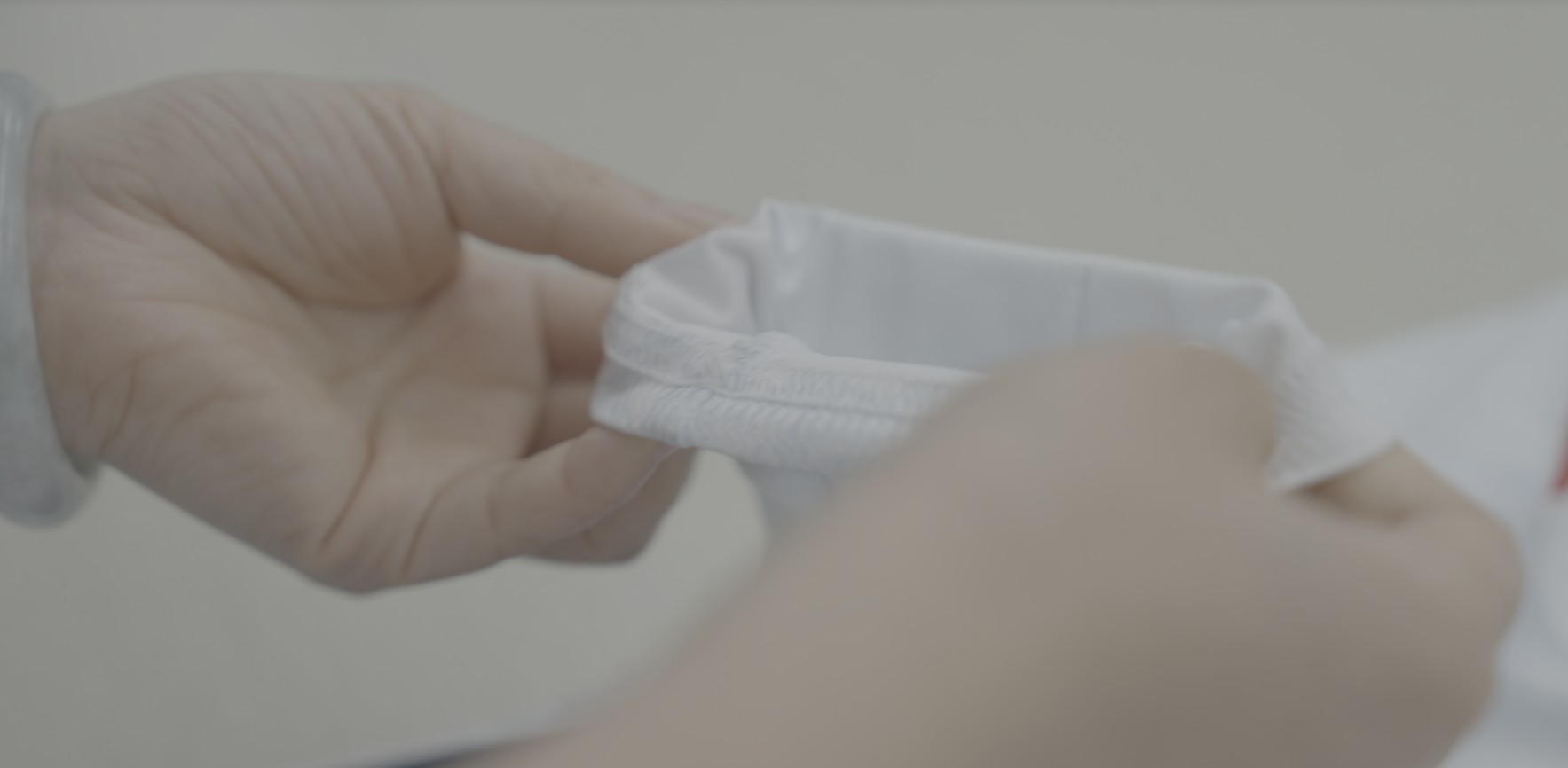
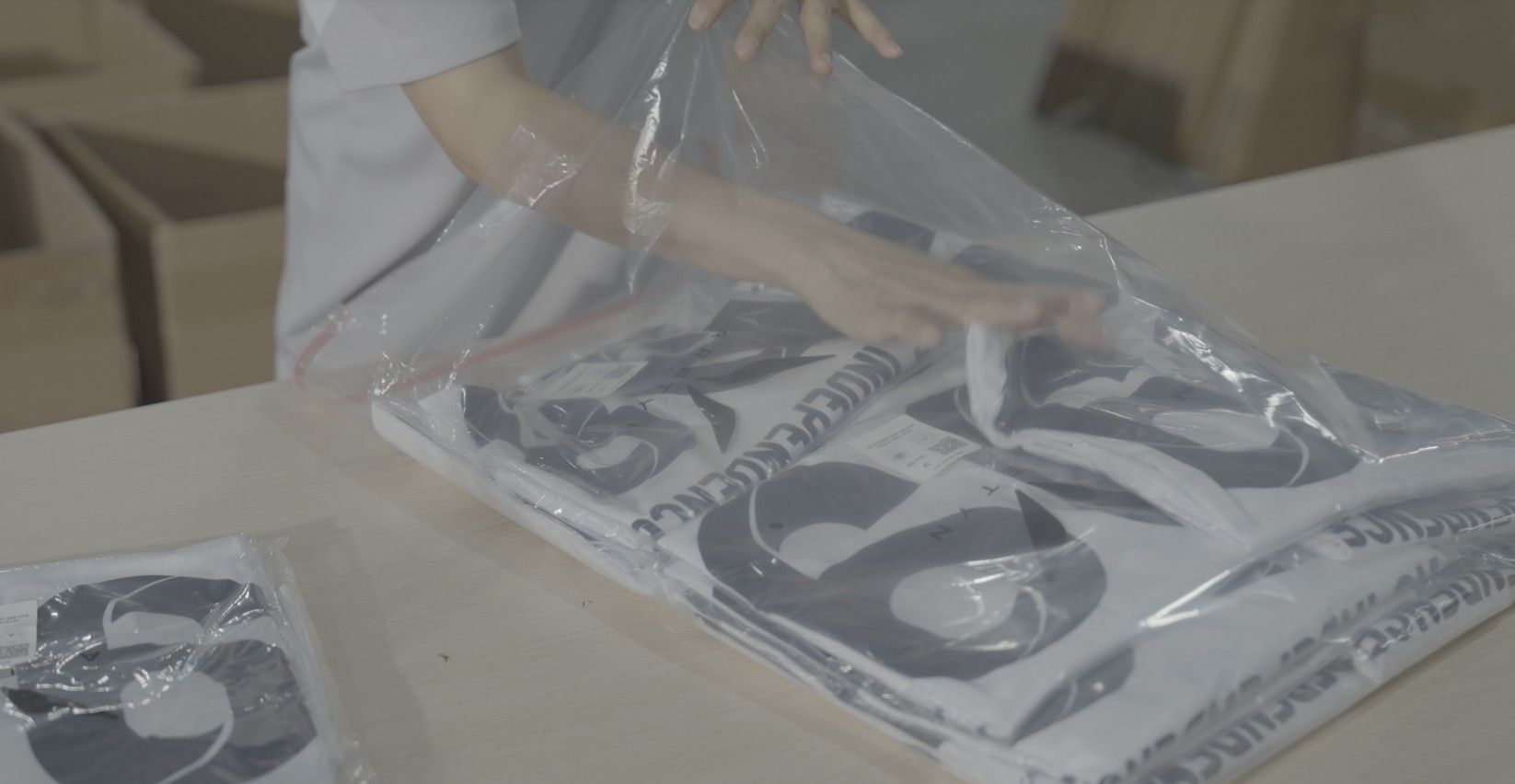
Full inspection, also known as 100% inspection, refers to the final quality control process where every finished garment is individually checked before packaging and shipment.
Unlike random inspection or sampling inspection, full inspection means that every single piece goes through a detailed review process.
At our factory, full inspection includes:
• Measuring garment dimensions
• Checking stitching quality
• Inspecting seams and thread tension
• Verifying logos and artwork
• Checking print consistency
• Reviewing player names and numbers
• Inspecting packaging accuracy
• Checking labels and hangtags
• Verifying size assortments
• Identifying stains or defects
• Confirming overall appearance
This process acts as the final protection barrier before products leave the factory.
Why Full Inspection Matters for Buyers
International buyers face many risks when sourcing products overseas. Delivery delays, inconsistent quality, incorrect packaging, and defective garments can all lead to financial losses.
Full inspection helps minimize these risks.
For example, imagine a customer ordering 5,000 football jerseys for a major tournament. If even a small percentage of garments contain incorrect player names or sizing mistakes, the customer may face serious operational problems.
In retail environments, defective products can also lead to product returns, negative reviews, and damaged customer trust.
That is why professional buyers increasingly prefer factories with complete quality control systems.
Full inspection demonstrates that a manufacturer takes responsibility for product quality. It shows that the factory is not relying only on random checks or hoping problems go unnoticed.
Instead, every product is reviewed carefully before shipment.
This level of responsibility is especially important for:
• OEM sportswear brands
• ODM development projects
• Teamwear suppliers
• E-commerce brands
• Corporate apparel programs
• Promotional sportswear orders
• International distributors
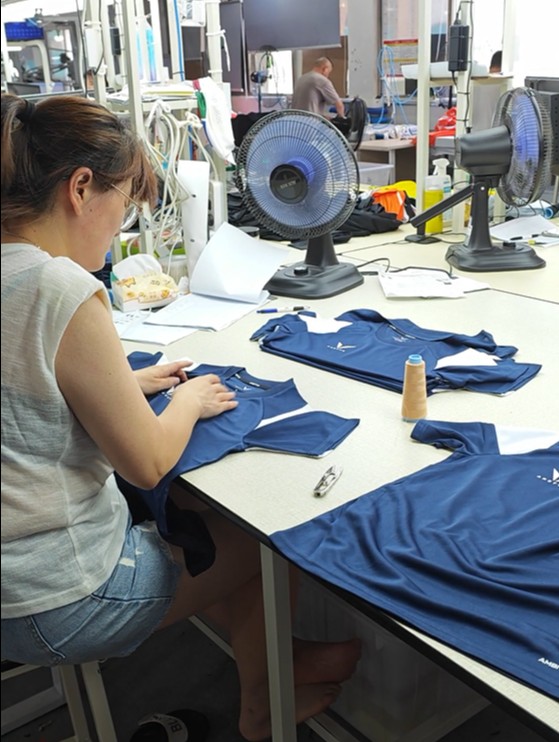
The Difference Between Low-Level Factories and Professional Manufacturers
Not all factories operate with the same quality standards.
Many small workshops focus primarily on production speed and low pricing. They may perform only limited inspections or rely on sewing workers to identify defects during production.
This approach often leads to inconsistent results.
Professional sportswear manufacturers operate differently.
A professional factory invests in:
• Dedicated QC departments
• Standardized inspection systems
• Production tracking
• Quality reporting
• Process management
• Staff training
• Inspection procedures
• Rework systems
• Production accountability
Panel inspection and full inspection are important signs of a mature factory management system.
Factories that maintain these procedures are usually more experienced in handling export orders, custom production requirements, and international customer expectations.
How Quality Control Protects Brand Reputation
For modern sportswear brands, reputation is everything.
Customers today share feedback instantly through social media, online reviews, and e-commerce platforms. A single quality issue can quickly become public.
That is why quality control is not simply a manufacturing expense. It is an investment in brand protection.
When buyers work with factories that implement strict panel inspection and full inspection systems, they reduce the likelihood of:
• Customer complaints
• Product returns
• Delayed launches
• Inventory losses
• Brand reputation damage
• Retail disputes
• Reproduction costs
Strong quality control creates consistency.
Consistency builds trust.
And trust builds long-term business relationships.
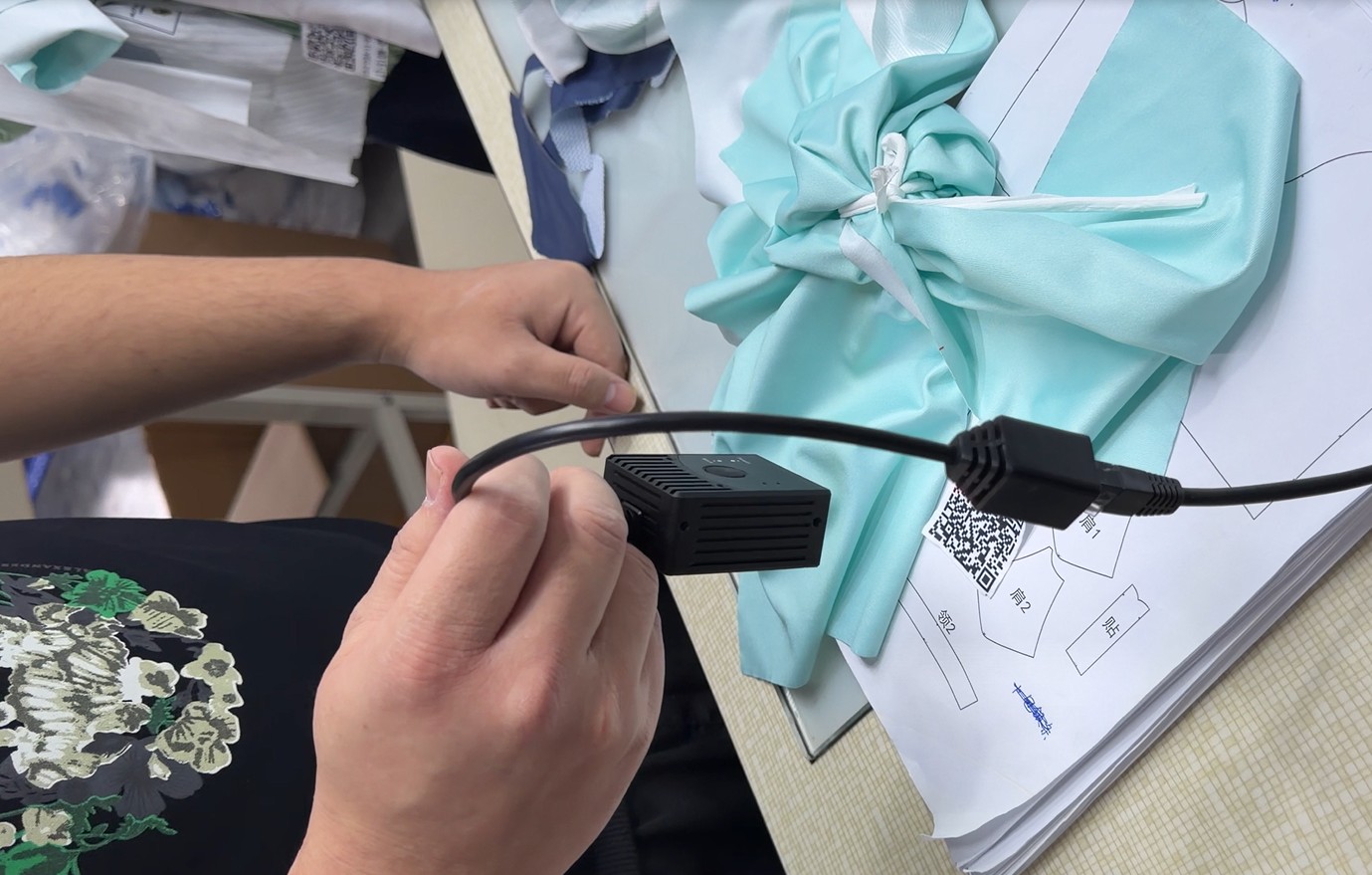
Why We Implement Strict QC Systems in Our Quanzhou Factory
Quanzhou is one of China’s major sportswear manufacturing regions. The city has a strong industrial foundation, experienced workers, advanced sublimation technology, and mature supply chain resources.
However, equipment alone does not guarantee product quality.
At our factory, we believe that professional manufacturing requires a complete quality control mindset.
Our production process includes:
• Material inspection
• Fabric checking
• Printing inspection
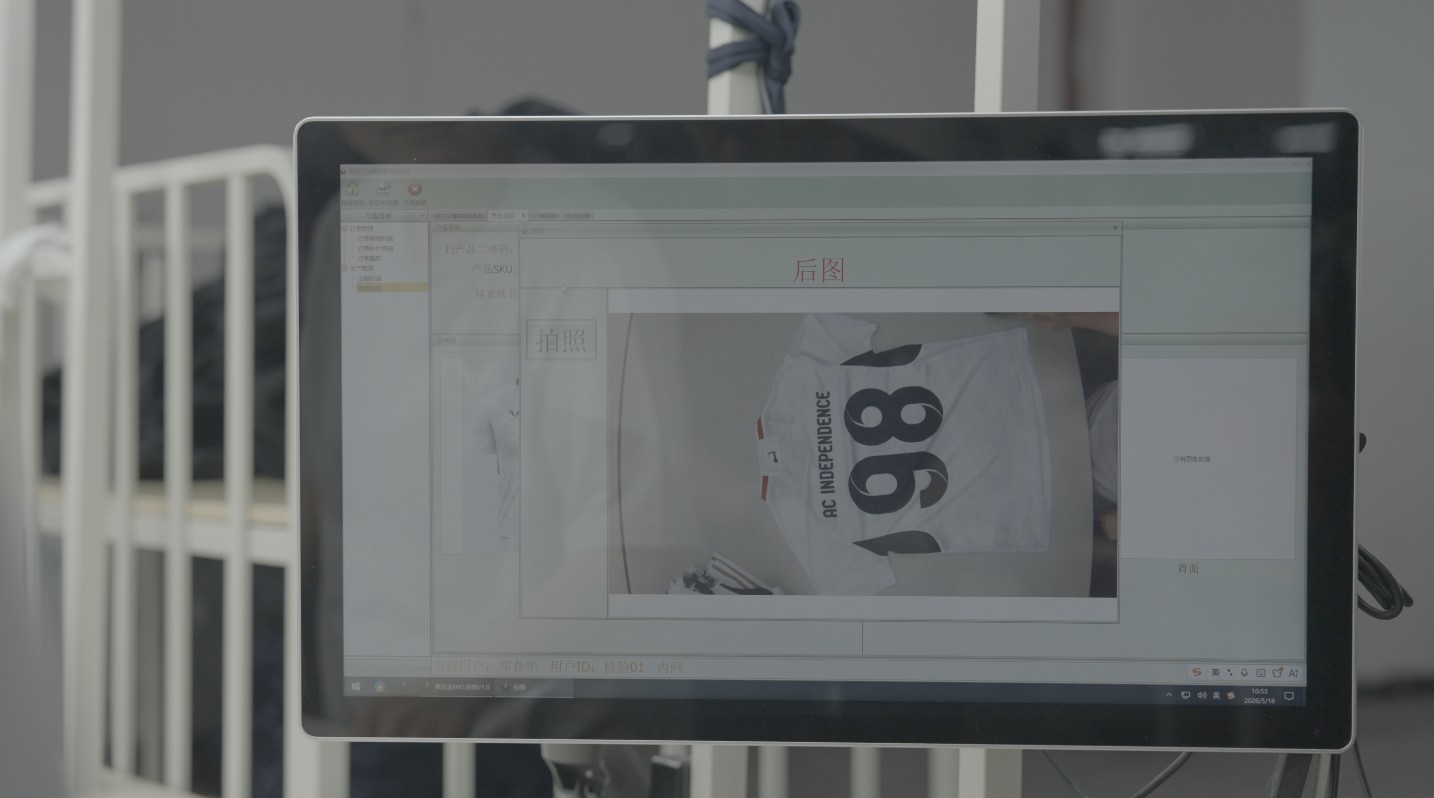
• Panel inspection
• Inline production inspection
• Sewing quality checks
• Full garment inspection
• Packaging verification
• Final shipment review
Every step is designed to reduce production risk and improve consistency.
We understand that our customers rely on us not only for manufacturing capacity, but also for reliability.
That is why we continuously invest in:
• Quality control training
• Process optimization
• Production management
• Inspection standards
• Equipment maintenance
• Workflow improvement
Our goal is simple:
To provide sportswear products that customers can confidently sell under their own brand names.
Why International Buyers Value Factories with Full QC Systems
Experienced buyers understand that production quality directly affects business success.
Price is important, but consistency is even more important.
A slightly cheaper supplier can become very expensive if shipments contain quality problems.
Factories with panel inspection and full inspection systems provide buyers with greater confidence because they show:
• Strong production management
• Higher accountability
• Better process control
• Lower defect rates
• Better shipment consistency
• Professional operational standards
For buyers managing large orders or long-term projects, these factors are critical.
Reliable manufacturing partners help buyers reduce stress, improve planning, and maintain customer satisfaction.
The Real Meaning of Professional Manufacturing
Professional manufacturing is not only about producing garments.
It is about producing garments consistently.
It is about delivering products that match customer expectations.
It is about protecting brands from avoidable risks.And it is about building trust through reliable systems.
Panel inspection and full inspection represent more than simple factory procedures. They reflect a factory’s attitude toward quality, responsibility, and customer satisfaction.
At our Quanzhou sportswear factory, we are committed to maintaining these standards because we understand the importance of every order we produce.
Whether the order is for a startup sportswear brand, a professional sports club, an e-commerce seller, or an international distributor, we believe every customer deserves reliable products and professional quality control.
Conclusion
In modern sportswear manufacturing, quality control is one of the most important factors determining long-term business success.
Panel inspection helps prevent defects before sewing begins.
Full inspection ensures that every finished garment meets quality standards before shipment.
Together, these systems reduce risks, improve consistency, protect brand reputation, and strengthen customer confidence.
Factories that invest in professional quality control systems demonstrate their commitment to responsible manufacturing and long-term partnerships.
At our Quanzhou factory, panel inspection and full inspection are not optional services. They are essential parts of how we manufacture sportswear products for customers around the world.
Because in professional manufacturing, quality is not something checked only at the end.
Quality is built into every step of the process.

Discover FIFA World Cup origins, tournament mechanics and what championship glory means for professional football players.
READ MORE
Learn how panel and full inspection cut defects, stabilize output and safeguard brand reputation for sportswear sourcing.
READ MORE
2026 FIFA World Cup fuels jersey customization boom. Digital tech, phygital and sustainability reshape fan sportswear creation and retail.
READ MORE