
Why the next FIFA World Cup isn’t just about selling more shirts—it’s about turning every fan into a co-creator.
Introduction: A Tournament Unlike Any Other
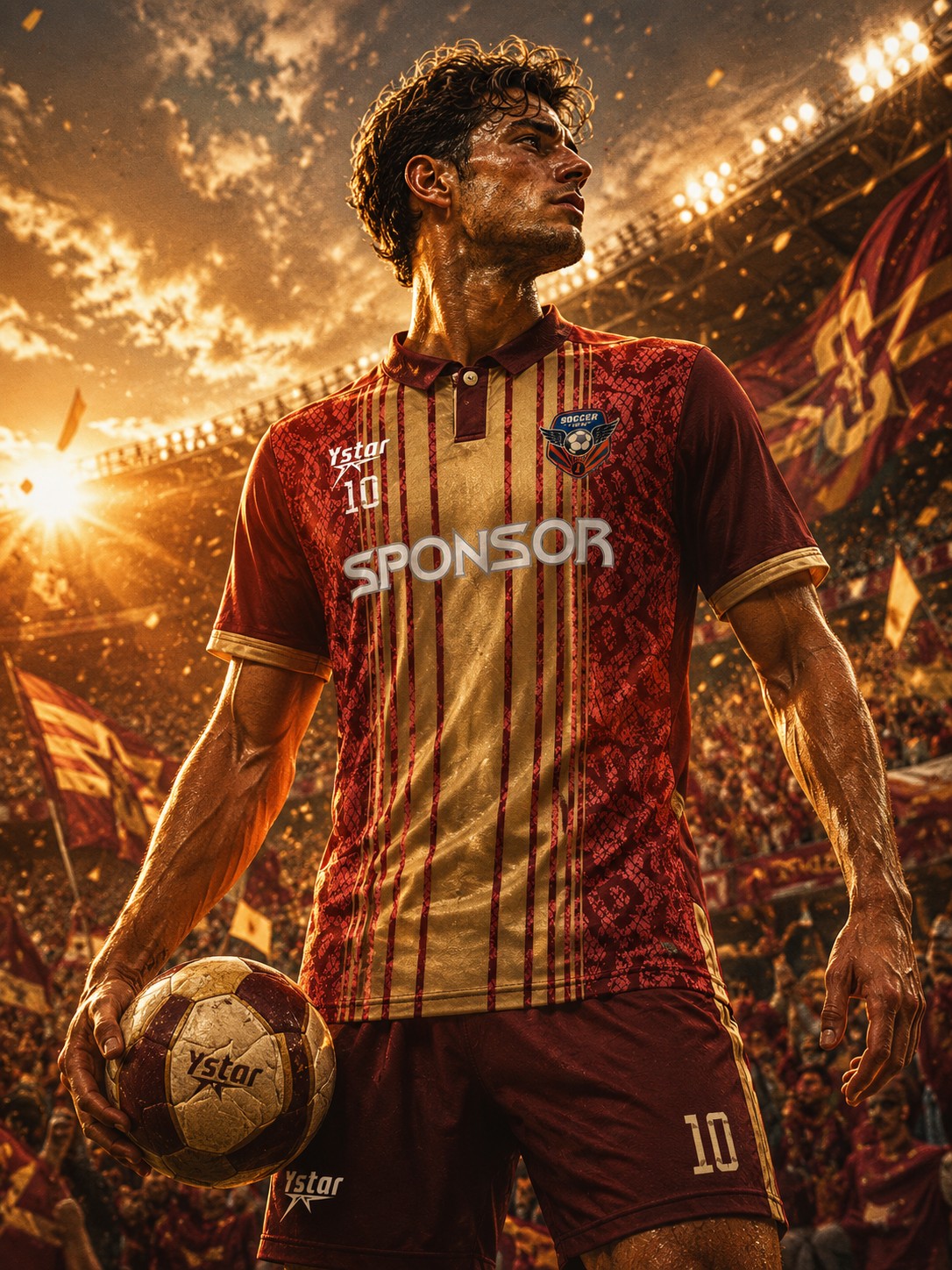
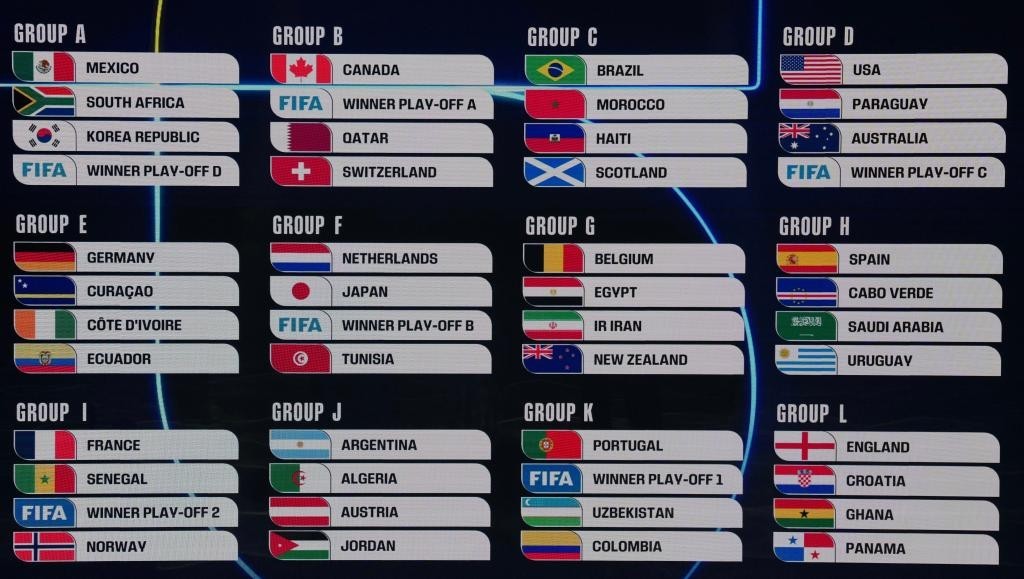
When the 2026 FIFA World Cup kicks off across the United States, Canada, and Mexico, it will mark the largest and most commercially ambitious edition in the tournament’s nearly century-long history. Expanded to 48 teams and 104 matches, the event is not merely a festival of football—it’s a global retail supernova. For the sportswear industry, a World Cup year always means a surge in jersey sales. But 2026 promises something far more transformative: the moment when custom jerseys move from a niche add-on to the heart of the fan experience.
We’ve already seen the seeds of this shift. During the 2022 Qatar World Cup, the scramble for Lionel Messi’s Argentina jersey crashed websites and emptied warehouses. But a quieter, more significant story was unfolding alongside the mainstream sales boom: fans were no longer content with a standard replica shirt. They wanted their own names, their own numbers, their own designs. They wanted jerseys that told a personal story. In 2026, fueled by digital tools, shifting consumer psychology, and the unique energy of a North American host market, that desire will explode into a full-blown customization revolution. This isn’t just about selling more fabric; it’s about redefining what a jersey means.
Part 1: The World Cup as the Ultimate Jersey Accelerator
To understand where we’re heading, it’s essential to grasp the sheer commercial gravity of a World Cup. Historically, FIFA’s flagship tournament acts like a turbocharger on the global football apparel market. Data from previous cycles paints a dramatic picture. During the Qatar 2022 tournament, Adidas revealed that its football division saw a massive revenue spike, led by the Argentine national team’s “three-star” championship jersey. At the height of demand, the shirt was sold out globally, with waiting lists stretching months into 2023. According to market intelligence firm Euromonitor International, global football apparel and footwear sales in a World Cup year can jump by 30% to 50% compared to a non-tournament year.
The baseline market is already formidable. In 2023, the total global football equipment market—encompassing jerseys, boots, and training gear—was valued at an estimated $37 to $38 billion USD. With the 2026 tournament on the horizon, industry analysts project that the compound annual growth rate for the football apparel segment will accelerate to 6%–8%, driven in large part by the World Cup bump. The core product, the official fan jersey, is expected to generate between €5 and €6 billion in sales during the 2026 calendar year alone.
What makes 2026 an especially potent accelerator? Three factors stand apart.
First, the expanded format. With 48 teams competing instead of 32, and 40 extra matches on the schedule, there are simply more national teams for fans to support—and more kits to buy. Smaller football nations that qualify will see a once-in-a-generation demand spike for their jerseys, many of which will be produced in limited runs, instantly creating a collector’s market. For the big brands, it means managing a vastly more complex product matrix, but also unlocking incremental revenue from previously untapped fanbases.
Second, the host nations. The United States, Canada, and Mexico together constitute the world’s largest sports consumer market. The U.S. alone, where soccer fandom has grown exponentially over the past two decades, is poised to deliver a retail surge that dwarfs previous tournaments. The 2026 World Cup will be a “home game” for a generation of American fans who have grown up with Major League Soccer, Premier League broadcasts, and the US Women’s National Team’s dominance. Their buying power and cultural influence will reshape the dynamics of soccer merchandising. Canadian and Mexican supporters, equally passionate and now with easier access to matches, will add further fuel.
Finally, the brand war. Nike, Adidas, and Puma have been preparing for 2026 for years, and their design and marketing arsenals are locked and loaded. The pre-tournament kit launches will be global media events, featuring innovative designs, sustainability narratives, and tie-ins with streetwear and pop culture. This marketing blitz does more than push a single shirt; it creates a cultural moment where owning a jersey—and customizing it—becomes a form of participation.
Part 2: The Customization Wave—Two Sides of a Booming Market
When we talk about “custom jerseys,” we are really describing two distinct but interconnected markets. On one side is officially licensed personalization—the service offered by brands and retailers to print a name and number on an authentic jersey. On the other is the vast, unlicensed world of creative and grassroots customization, where fans design their own shirts, amateur clubs order team kits, and vintage jerseys are reworked into one-of-a-kind fashion pieces. Both sides are booming, and both will ride the World Cup surge.
2.1 Official Personalization: The New Profit Engine
For sportswear giants and their retail partners, customization has quietly become the most profitable square inch of the jersey business. The numbers are staggering. Fanatics, the world’s largest licensed sports merchandise retailer, reported that during the Qatar World Cup, orders that included custom name and number printing grew by over 70% year-over-year. This isn’t a marginal uplift; it’s a structural shift in consumer behavior. The premium charged for personalization carries gross margins that far exceed those of a blank jersey, turning the heat-press station into a high-profit center.
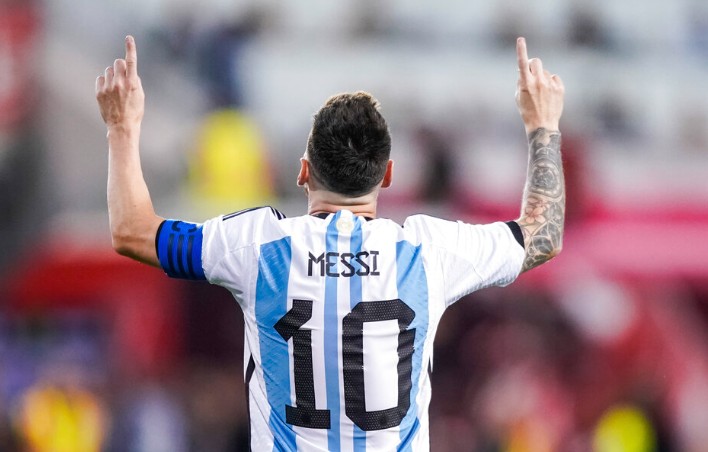
Why are fans so eager to pay extra? The answer lies in identity economics. In a world saturated with off-the-rack products, a jersey with your own name on it—or the name of a childhood hero—transforms a commodity into a statement. It’s a move from passive spectator to active participant. For the 2022 final, countless Argentina fans didn’t just buy a Messi shirt; they bought the jersey and then customized it with the number 10 and “Messi” on the back, even if that combination was already the standard replica. The act of printing made it theirs. Others went a step further, adding their own surnames or the date of a memorable match. This psychological layer of ownership is what Fanatics and the brands are expertly monetizing.
The infrastructure to support this demand has become frictionless. Nike’s website now offers a “Nike By You” configurator where you can select your country’s 2026 jersey, pick a font, and preview your name and number in real time. Adidas has integrated similar tools into its app, and in physical stores from Dick’s Sporting Goods in the U.S. to JD Sports in the UK, instant heat-press services are available at the point of sale. What used to require weeks of factory customization can now be done in five minutes. This combination of instant gratification and emotional connection drives both conversion and average order value—a retailer’s dream.
During the 2026 World Cup, expect this trend to accelerate to warp speed. The fusion of big-data-driven recommendation engines (“fans who bought this US home jersey also printed ‘Pulisic 10’”) and real-time inventory management will mean that personalization becomes the default checkout flow, not an optional upsell. The days of walking out of a store with a blank jersey will begin to feel incomplete.
2.2 The Unofficial Creative Market: A Long-Tail Explosion
While the official market grabs the headlines, an equally powerful force is reshaping the custom jersey landscape from the bottom up. This is the realm of fan-made supporter shirts, amateur club kits, corporate team-building uniforms, and the burgeoning retro-upcycling scene. It is a fragmented, high-volume, and fiercely creative market that technology has democratized.
Sizing this market requires looking at the broader custom sportswear sector. In 2023, the global custom sports apparel market was estimated at $12 to $15 billion USD, with football (soccer) accounting for a dominant 35%–40% of that share. Analysts project that this niche will grow at a compound annual growth rate of 9%–12% through 2030, comfortably outpacing the broader sportswear market. The engine behind this growth is digital print-on-demand and the rise of flexible, small-batch manufacturing.
Consider the fan cultural phenomenon. For every person who buys an official US Men’s National Team jersey, there are dozens of friends organizing World Cup watch parties who want matching custom T-shirts. They jump onto platforms like Custom Ink, Spreadshirt, or local equivalents, use simple online design tools, and upload a graphic that mashes up the Stars and Stripes with an inside joke. During the last World Cup, these platforms reported a 3x to 5x surge in soccer-related custom orders in the weeks leading up to and during the tournament. The 2026 event, set in the social-media-rich environment of North America, will turn this phenomenon into a cultural tidal wave. Instagram and TikTok will be flooded with user-generated content of bespoke fan gear, each piece a small but resonant declaration of belonging.
Beneath the fan layer sits the grassroots football economy. Across the globe, millions of amateur and youth soccer teams require two to three sets of kits every season. Historically, ordering custom kits meant high minimums, long lead times, and a limited supplier base. Digital sublimation printing and direct-to-garment technology have shattered those barriers. Now, a Sunday league team in Austin or a high school squad in Toronto can order 15 jerseys with custom logos, player names, and sponsors, delivered in under two weeks, at a cost that rivals a generic option. The number of these micro-orders adds up to a market that major brands are beginning to court through specialized B2B portals. The World Cup spotlight will inspire even more groups to form teams and order their own kits, riding the wave of soccer enthusiasm.
Then there is the vintage and remix movement, a trend that marries sustainability with streetwear cool. A new breed of creator is hunting for old, unwanted jerseys from the 1990s and early 2000s, then reworking them through cropping, embroidery, patching, and stone-washing to create something entirely new. Platforms like Depop and Grailed have seen searches for “custom vintage football jersey” and “remake soccer shirt” spike by over 200% in 2024 alone. This is customization as art form and fashion rebellion. During the World Cup, when nostalgia for bygone tournaments peaks, these one-off pieces will command premium prices and significant cultural cachet. They represent the ultimate expression of the “I have something you don’t” ethos.
Part 3: The 2026 Catalyst—Four Drivers That Will Push Custom Demand to New Heights
If the existing custom jersey market is already in overdrive, the 2026 World Cup will shift it into hyperspace. Four interlocking forces will converge during the tournament, each amplifying the others and permanently altering consumer expectations.
3.1 Driver One: The Maturation of Digital Customization Tools
The most obvious enabler is technology, and by 2026, the tools available to fans will be light-years ahead of what existed even during Qatar. We are already seeing glimpses: augmented reality (AR) try-on features that let you see how a jersey fits and how the custom print will look on your body, without ever entering a store. Nike and Adidas are investing heavily in 3D configurators that allow you to rotate a virtual jersey, change thread colors for stitching, and mix and match design elements from different eras.
Artificial intelligence will add a new dimension. Imagine an AI designer that takes your fan credentials—your favorite player, your first World Cup memory, your home city—and generates a unique graphic for the inside neck tape or a sleeve badge. These hyper-personalized elements, currently reserved for elite athlete-issued gear, will be offered to the mass market as a digital service. The friction between imagination and purchase will collapse. At the World Cup fan festivals in host cities, expect to see interactive kiosks where you can design a jersey on a giant touchscreen, watch it being printed in real time, and have it tagged with an NFC chip—all within the span of a halftime break. This seamless, gamified experience will make customization an impulse-driven must-have.
3.2 Driver Two: The Social Currency of Shared Heat
In 2026, a jersey won’t just be something you wear to the stadium; it will be the ultimate social currency. The psychology of modern fandom demands “shared heat”—items that broadcast your identity to your tribe and earn validation through likes and shares. A custom jersey is a perfect vehicle for this. It says, “I’m not just a USMNT fan; I’m the fan who was at the Atlanta semifinal, and here’s the date printed on my sleeve to prove it.”
This driver will manifest through event-specific, limited-time customization campaigns. Brands will lean hard into “drops.” Think of an Adidas pop-up in Miami that will print a special, ultraviolet-reactive graphic on your Mexico jersey, but only for 48 hours during the group stage. The resulting scarcity, combined with the instantly shareable nature of the product, creates a viral loop. Groups of friends will coordinate their customizations to create a collective look for a watch party. This behavior is already visible in fan token communities and digital collectible spaces, but 2026 will see it deeply embedded into physical merchandise. The jersey becomes a canvas for a story that exists as much on Snapchat and Instagram as it does in the stands.
3.3 Driver Three: Phygital Integration and the Metaverse Promise
The line between physical and digital will blur further, and custom jerseys will be the bridge. By 2026, a significant number of official World Cup jerseys will ship with embedded NFC (near-field communication) chips as a standard feature. Tap your jersey with your phone, and it unlocks a digital twin in a virtual world, a limited-edition NFT badge that marks you as a verified custom-order holder, or exclusive video content from your favorite player.
This phygital (physical + digital) layer dramatically increases the perceived value of customization. Buying a standard jersey might get you the shirt. Buying a custom one and tapping it might get you a VIP virtual meet-and-greet, a mintable highlight from a key match, or a discount on your next purchase. For the digitally native Gen Z and Gen Alpha consumers who will form a huge part of the 2026 audience, this integration is not a gimmick; it’s an expectation. They are accustomed to their digital identity being as curated as their physical one, and a custom jersey that “levels up” their avatar becomes a powerful purchase driver. We can expect brands to experiment with “digital-first” customizations—where you design the digital version of your shirt first, and its physical twin is produced and shipped on demand.
3.4 Driver Four: The Sustainability Imperative Meets On-Demand Production
The fashion industry’s problem with overproduction and waste is well-documented, and football jerseys are a visible part of the issue—how many unsold replica shirts from a losing team end up in landfills or incinerators? Customization, specifically on-demand manufacturing, offers a powerful and marketable solution. By only producing a jersey when a fan has ordered it with their specific name and number, brands can drastically cut overstock and waste. This isn’t just an operational shift; it’s a compelling sustainability story that resonates with the eco-conscious values of younger consumers.
For the 2026 World Cup, every major brand will be under intense scrutiny regarding their environmental footprint. Promoting “custom equals less waste” allows them to align commercial goals with sustainability pledges. Nike has already signaled its “Move to Zero” ambitions, and Adidas has committed to using more recycled materials and reducing virgin polyester. The natural next step is to incentivize customization as the greener choice. Marketing campaigns will likely frame it as: “Design your own jersey. Made only for you. Less waste for the planet.” This narrative transforms the act of personalization into a responsible, forward-thinking choice, adding a layer of moral satisfaction to the emotional payoff. For the world’s most-watched sporting event, that is a profound shift in messaging.
Part 4: Challenges and Considerations
While the trajectory points steeply upward, the road to a fully customized future isn’t without obstacles. Intellectual property rights remain a minefield. The unofficial market thrives on the creative reinterpretation of national colors, badges, and player imagery—often walking a fine line between tribute and trademark infringement. National federations and FIFA guard their crests fiercely, and as the homemade fan market explodes during the tournament, we can expect a parallel rise in cease-and-desist actions and platform takedowns. Striking a balance between protecting IP and allowing fan culture to flourish will be a delicate act.
Supply chain scalability presents another hurdle. The peak of a World Cup puts immense strain on printing and fulfilment infrastructure. While heat-press personalization in-store is fast, online orders for custom-printed authentic jerseys require precise inventory of namesets, synchronized production capacity, and last-mile logistics that can break down under a 30-day crush of demand. Fans who order a custom Brazil jersey with “Neymar 10” on day one of the tournament and don’t receive it until after the final are not repeat customers. Brands and their partners are investing in localized micro-fulfilment hubs and predictive analytics to shorten delivery windows, but the pressure of 2026’s scale will be the ultimate test.
Finally, there is the challenge of maintaining the emotional value of customization when it becomes ubiquitous. Exclusivity is part of the appeal. If every other person in the stadium has a jersey with their own name on it, does the gesture lose its magic? The market will likely answer this by pushing further into hyper-personalization: not just name and number, but truly one-of-a-kind artworks, AI co-designed elements, and limited-run materials. The next frontier isn’t just customization; it’s cocreation, where the fan’s input is so integral that no two jerseys are alike.
Conclusion: The Fan as Co-Creator
The 2026 FIFA World Cup will be remembered not just for the goals scored or the new champion crowned, but for a definitive shift in what it means to wear the colors of your team. The era of buying a standard replica off the rack and blending into the crowd is giving way to an era where the jersey is a personal manifesto. It’s a statement of identity, a digital key, a sustainable choice, and a piece of shareable social currency, all in one.
For the sportswear industry, the implications are profound. Customization, once a low-volume, high-margin afterthought, is becoming the central organizing principle of product design and retail strategy. The brands that win in 2026 won’t just be those with the best home kit design; they will be those that offer the most seamless, creative, and emotionally resonant customization experience. For fans, it means that their voice—literally, their name—will become part of the World Cup’s visual fabric.
As the countdown to the opening whistle at the Estadio Azteca on June 11, 2026, continues, one thing is clear: the global passion for football, amplified by North America’s consumer power and the technologies at our fingertips, is about to unleash a wave of self-expression on a scale never before seen. The custom jersey is no longer a niche product. It is the future of the beautiful game’s most iconic merchandise. And that future will be uniquely, unmistakably, yours.
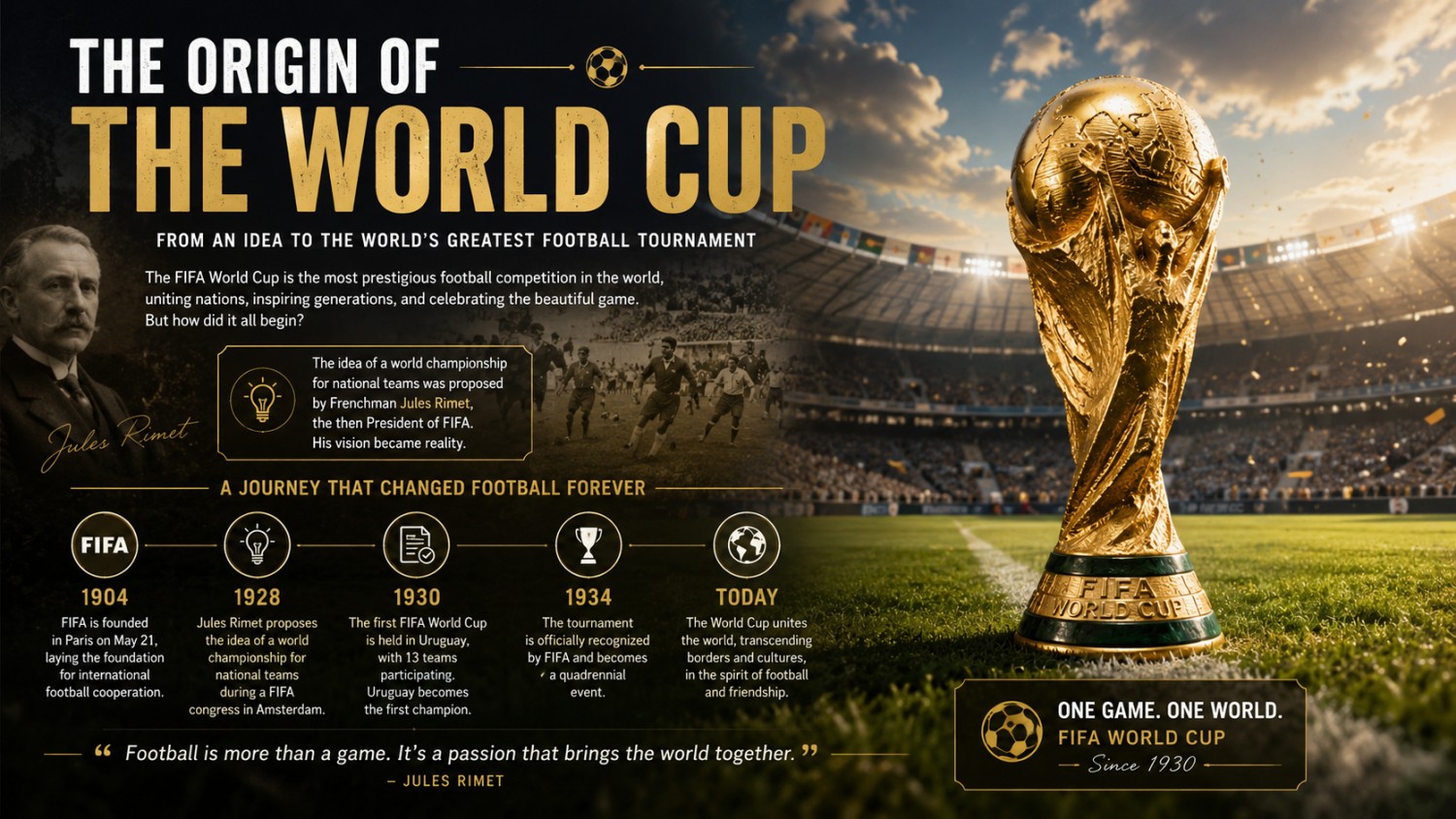
Discover FIFA World Cup origins, tournament mechanics and what championship glory means for professional football players.
READ MORE
Learn how panel and full inspection cut defects, stabilize output and safeguard brand reputation for sportswear sourcing.
READ MORE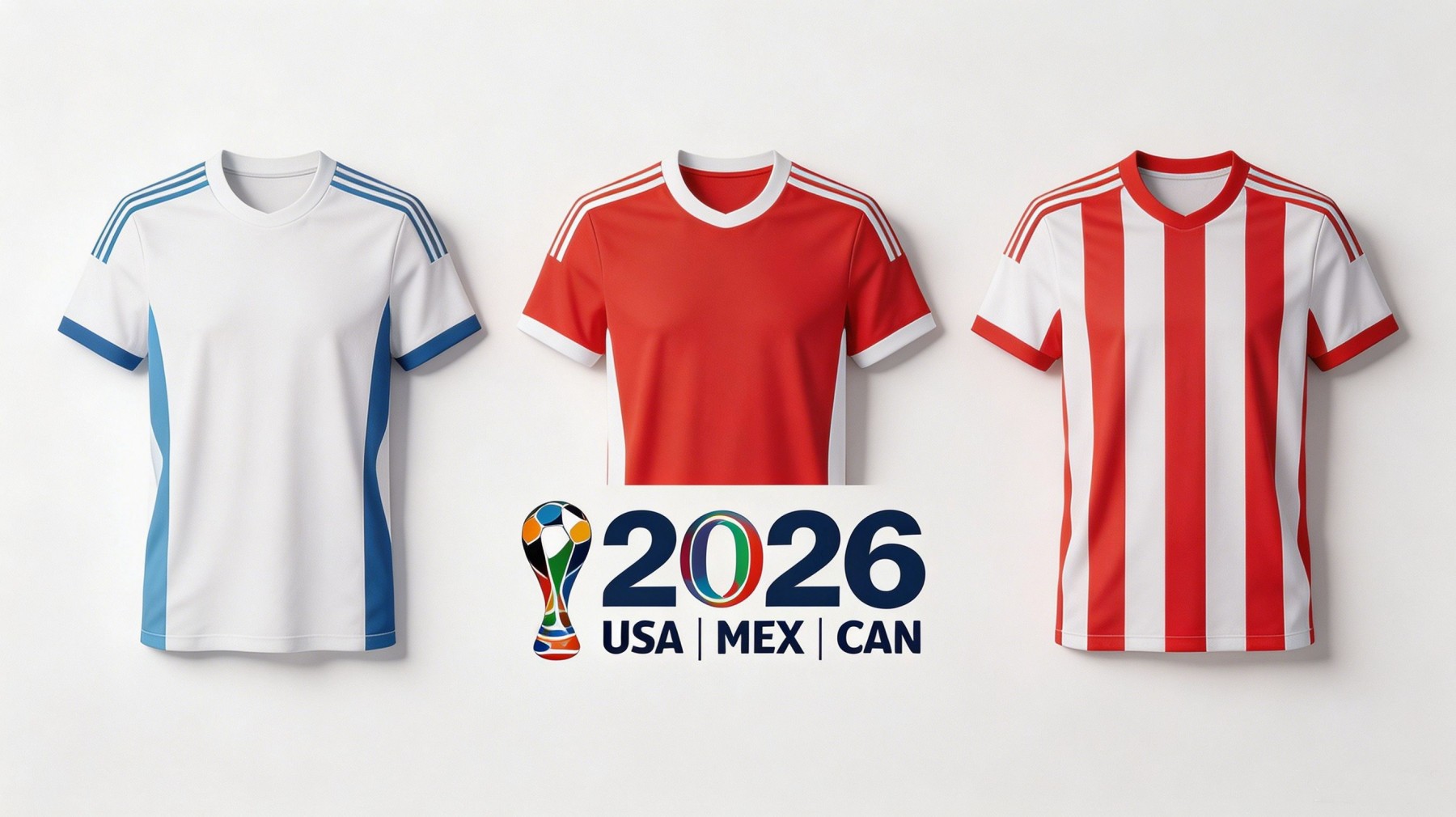
2026 FIFA World Cup fuels jersey customization boom. Digital tech, phygital and sustainability reshape fan sportswear creation and retail.
READ MORE