
Introduction
Every four years, the world stops. Offices fall silent, streets empty out, and billions of fans gather around screens — because the FIFA World Cup is more than a football tournament. It is the pinnacle of international sport, a spectacular collision of culture, national pride, passion, and individual destiny. As the most watched sporting event on the planet, the World Cup transcends boundaries, uniting nations and creating legends that endure for generations. But how did this global phenomenon begin? How does the tournament actually work? And what does lifting the iconic golden trophy truly mean for the players who sacrifice everything to chase it?
Part I: The Origins of the FIFA World Cup
Football Finds Its Global Stage
The roots of the FIFA World Cup stretch back to the early days of organized international football. The sport made its Olympic debut at the 1900 Paris Games, and in 1904, FIFA was founded in Paris to govern the game worldwide. Yet it was Jules Rimet, a French lawyer and passionate football administrator who became FIFA president in 1921, who turned the dream of a true world championship into reality. Often called the "Father of the World Cup," Rimet envisioned a tournament that would bring nations together beyond the Olympics
1930: Uruguay and the Dawn of an Era
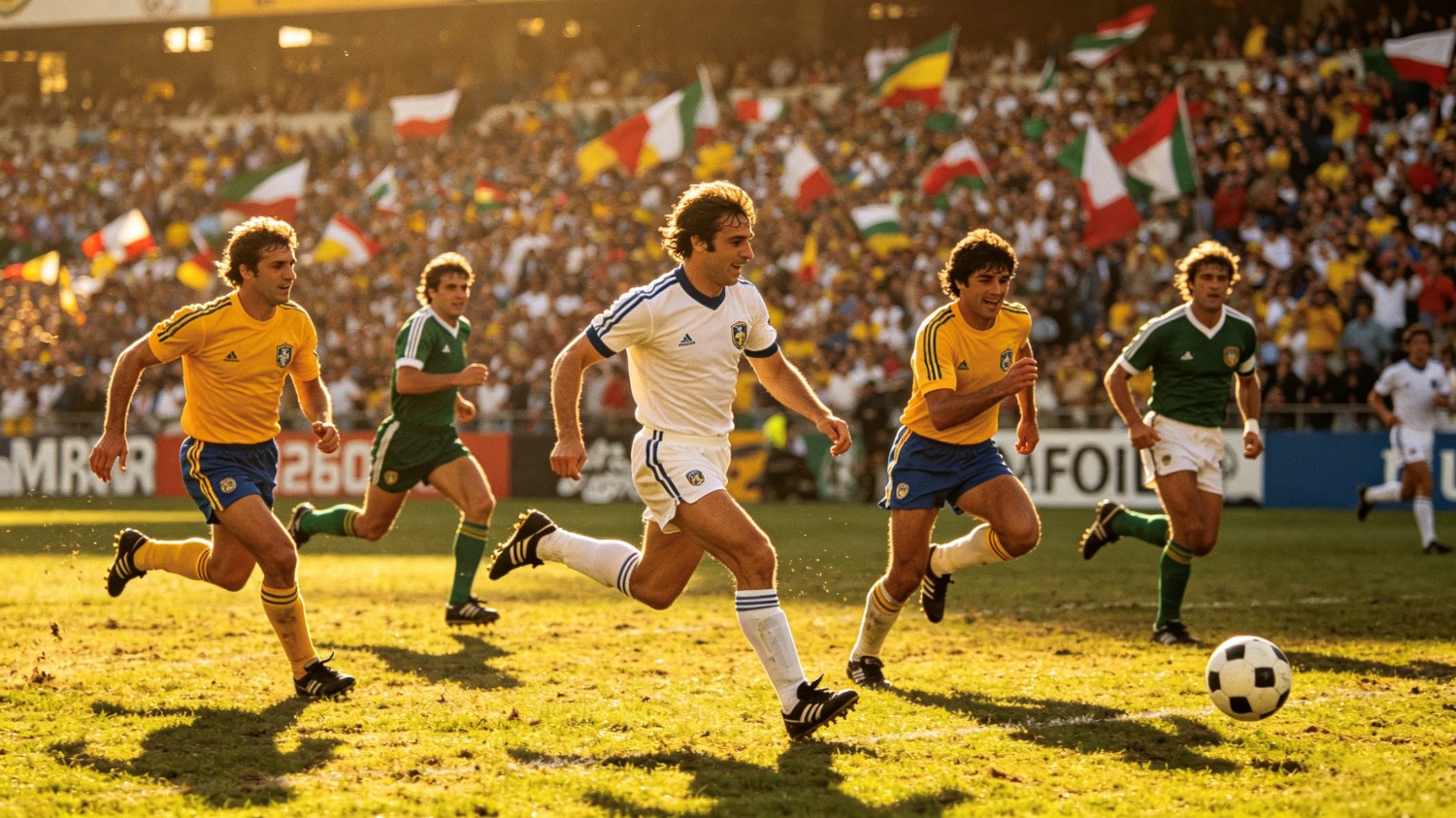
After FIFA approved the competition in 1928, Uruguay — celebrating its centenary of independence and reigning Olympic champions — was chosen as host. On July 13, 1930, the first FIFA World Cup kicked off in Montevideo with just 13 participating nations. The final, held on July 30 at the iconic Estadio Centenario, saw hosts Uruguay defeat neighbors Argentina 4–2 in front of a passionate crowd. That moment marked the birth of a global tradition that continues to captivate the world nearly a century later.The tournament was suspended during World War II, with no editions in 1942 or 1946, but it rebounded stronger than ever, evolving into the greatest show on earth.
Evolution Through the Decades
The World Cup has grown dramatically over time, reflecting changes in technology, global politics, and the sport itself:
| Year | Milestone |
| 1930 | First World Cup, 13 teams, Uruguay wins |
| 1954 | First televised World Cup matches |
| 1970 | Pelé leads Brazil to a third title |
| 1974 | New FIFA World Cup Trophy introduced |
| 2022 | Messi leads Argentina to glory in Qatar |
| 2026 | Expanded to 48 teams — USA, Canada & Mexico co-hosts |
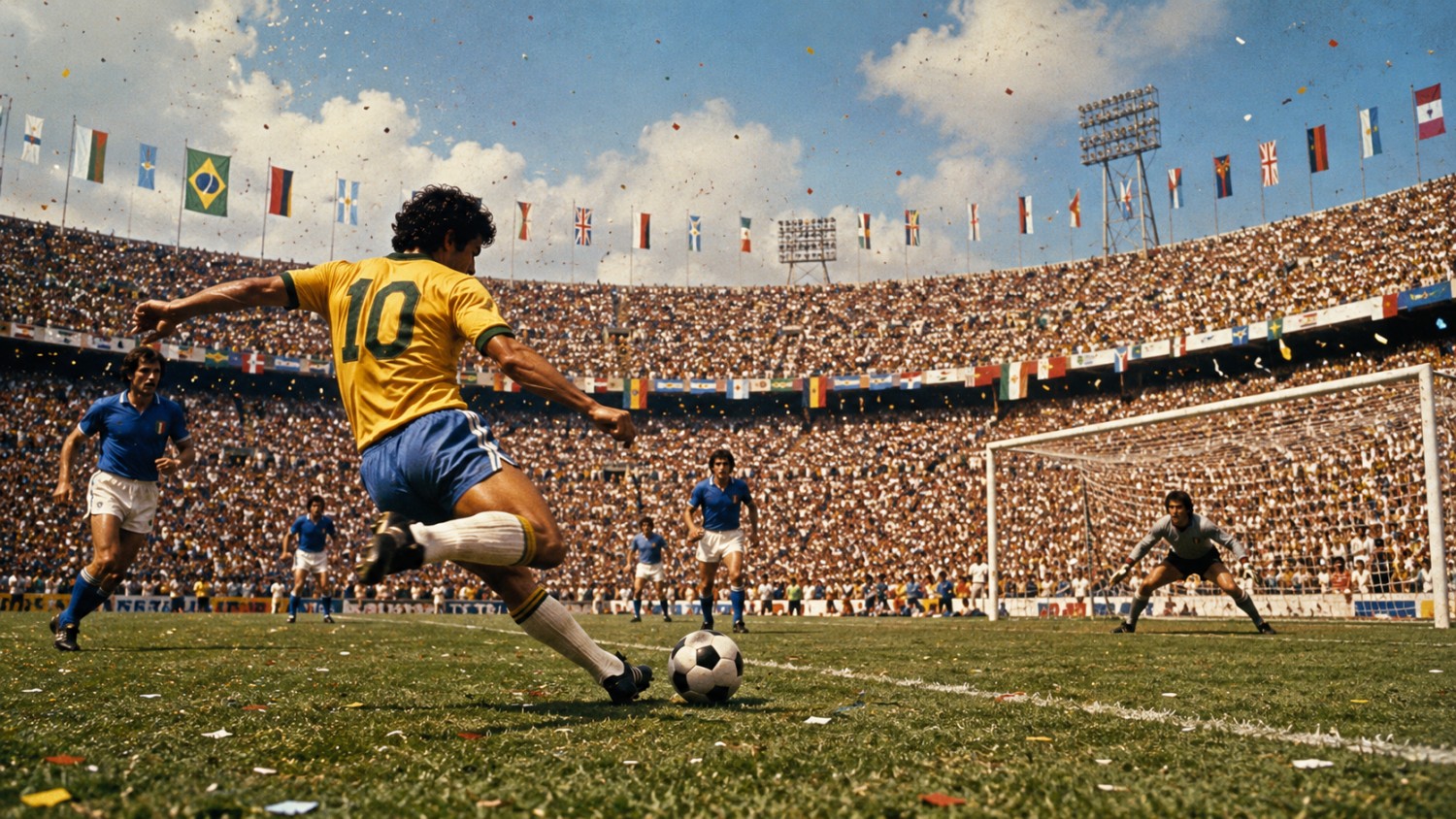
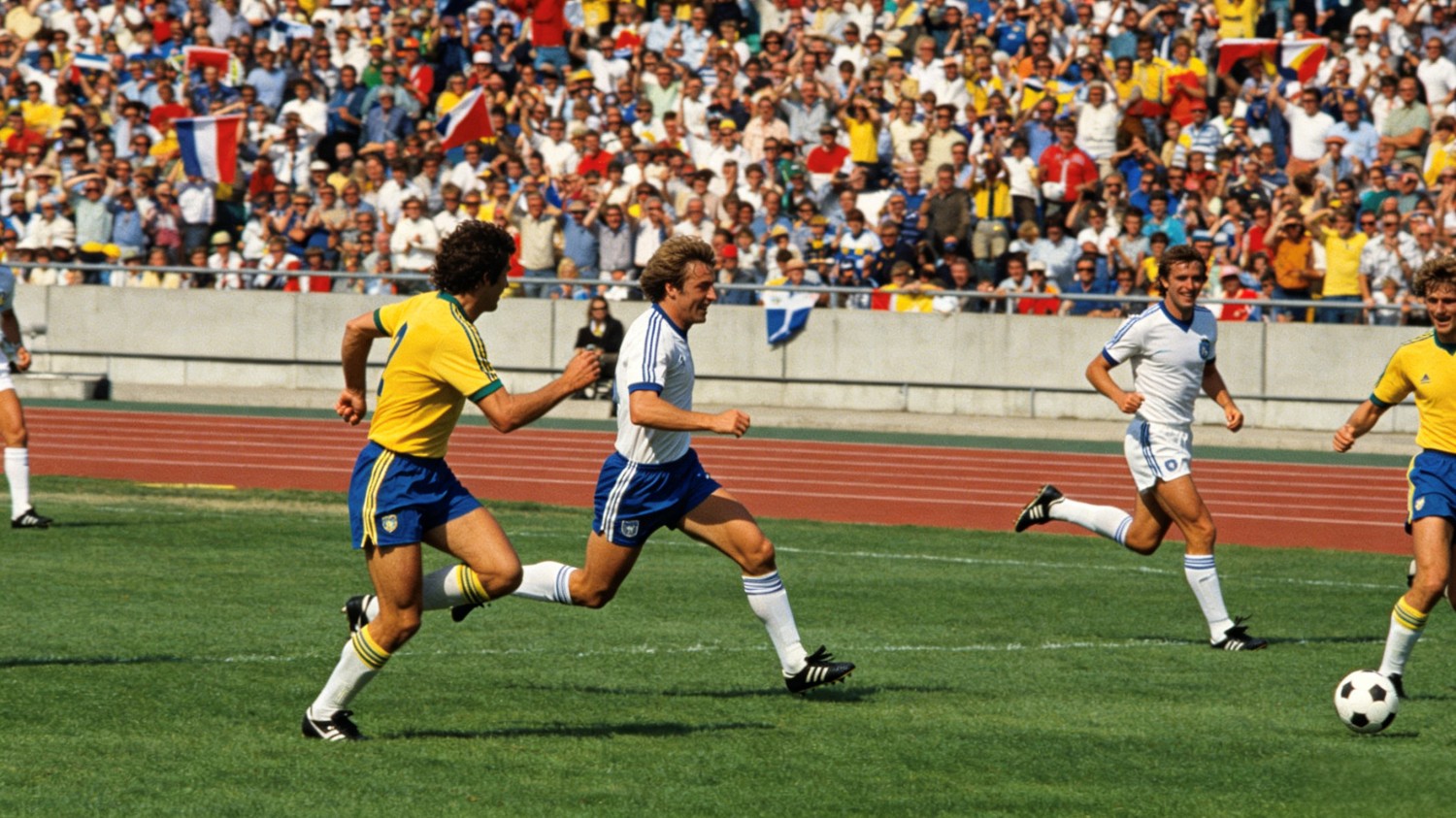
From a modest 13-team event to a 32-team spectacle, and now expanding to 48 teams in 2026, each edition has added new layers of drama, unforgettable moments, and cultural significance. The 1958 tournament in Sweden introduced the world to a 17-year-old Pelé, while 1970 in Mexico delivered some of the most beautiful football ever played under the scorching sun. Brazil’s triumph that year secured their third title and permanent possession of the original Jules Rimet Trophy.
Part II: How the FIFA World Cup Works
Qualification – The Longest Road to Glory
More than 200 national teams battle through grueling continental qualifiers for a chance to compete on the biggest stage. For the 2026 FIFA World Cup, hosted jointly by the United States, Canada, and Mexico, the allocation of the 48 spots is as follows:
UEFA (Europe): 16 spots
CAF (Africa): 9 spots
AFC (Asia): 8 spots
CONMEBOL (South America): 6 spots
CONCACAF (North & Central America/Caribbean): 6 spots
OFC (Oceania): 1 spot
Inter-confederation play-offs: 2 spots
This expanded format gives more nations a realistic shot at qualification, increasing global excitement and competitiveness years in advance.
The Group Stage
The 48 qualified teams are drawn into 12 groups of four. Each team plays three round-robin matches. The top two teams from each group advance automatically to the knockout stage. Additionally, the eight best third-placed teams also progress, creating a Round of 32 with 32 teams total.
Points System: Win = 3 points | Draw = 1 point | Loss = 0 points. Goal difference, goals scored, and head-to-head results serve as tiebreakers.
Knockout Rounds
Once the group stage concludes, the tournament shifts into high-stakes single-elimination format:
The Trophy – Symbol of Immortality
The current FIFA World Cup Trophy, introduced in 1974 and designed by Italian artist Silvio Gazzaniga, stands 36.8 cm tall and weighs 6.175 kg. It is crafted from solid 18-karat gold and depicts two human figures supporting the Earth. Only the winning captain gets to lift the original on the pitch. Winning nations receive a gold-plated replica to keep permanently, while the real trophy remains in FIFA’s possession. Its elegant yet imposing design has become one of the most recognizable symbols in all of sport.
Part III: What World Cup Glory Means to a Player
The Ultimate Dream
Unlike club competitions that occur annually, the World Cup arrives only once every four years. It demands players peak at exactly the right moment while representing their nation. For many, missing their window means the opportunity is gone forever.
Legacy Defined
Lionel Messi had conquered almost every club honor with Barcelona, yet questions about his international legacy persisted until he lifted the 2022 World Cup trophy in Qatar. That victory cemented his place among the all-time greats. Pelé remains the only player to win three World Cups (1958, 1962, and 1970), a record unlikely to be broken. Conversely, geniuses like George Best, who never appeared in a World Cup, are often remembered with a lingering sense of “what if.”
More Than Individual Achievement
Wearing the national jersey carries immense emotional weight. Players represent not just themselves but millions of fans who live vicariously through every pass, tackle, and goal. A World Cup winner becomes a national hero — streets are named after them, children grow up idolizing them, and their names echo through history. At the same time, heartbreaking moments can define careers: Roberto Baggio’s missed penalty in the 1994 final, Zinedine Zidane’s infamous headbutt in 2006, or countless near-misses that still haunt players and fans decades later.
Scarcity Creates Value
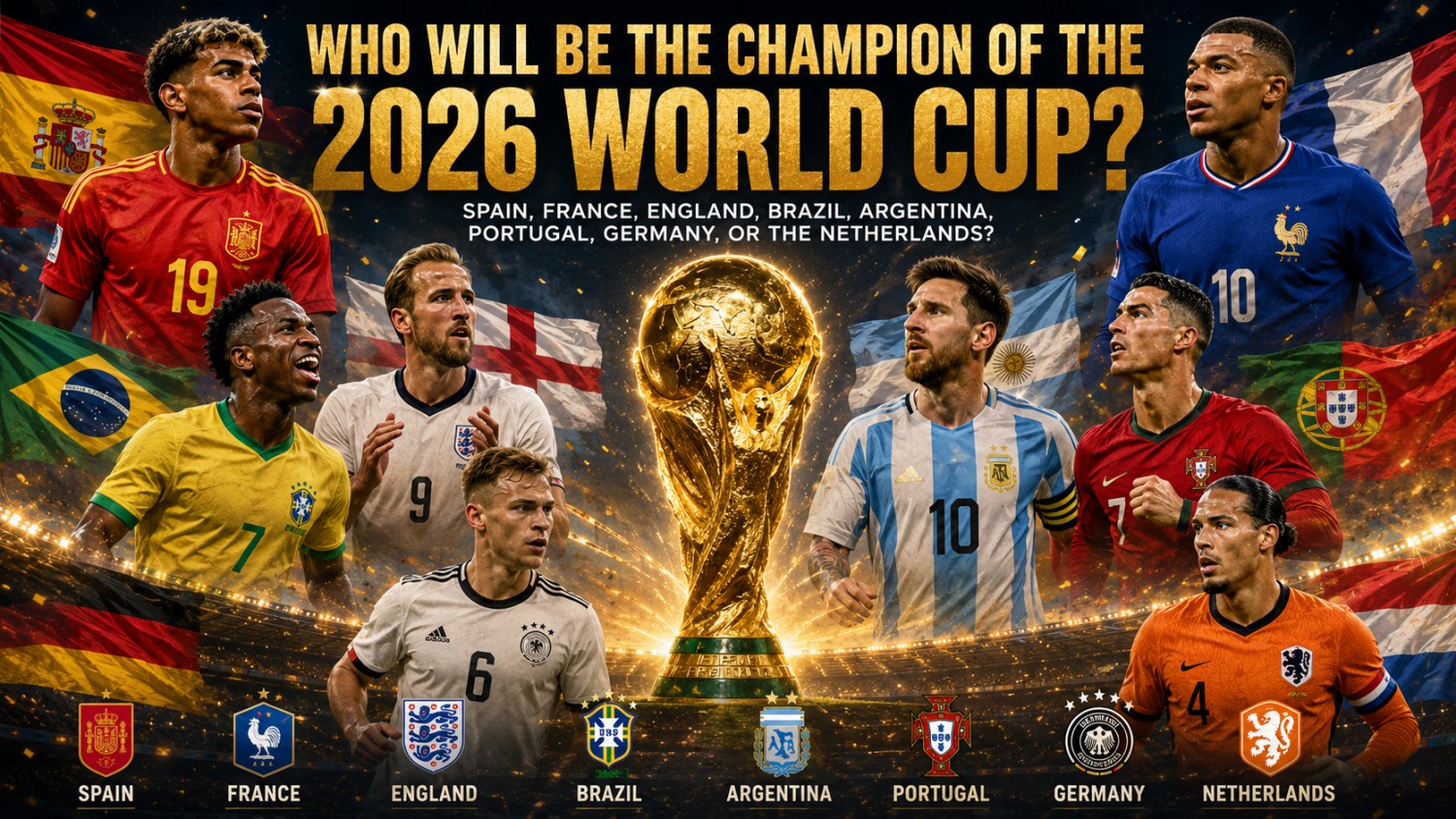
With 48 teams now qualifying, the odds remain brutally slim — only one champion emerges. This mathematical rarity is precisely what makes the trophy so valuable. Players dedicate entire careers, endure injuries, club pressures, and personal sacrifices for the chance to shine in that one magical month every four years.
Conclusion
The FIFA World Cup began as the vision of one man — Jules Rimet — and a handful of pioneering nations. Today, it attracts over five billion cumulative viewers worldwide and stands as the ultimate stage where dreams are realized and legends are forged. Its qualification process, group-stage battles, and knockout drama deliver unmatched sporting theater. For players, the World Cup offers something no club contract or individual award can match: the chance to etch their name into history and be remembered forever.As the 2026 tournament approaches with its expanded format and North American co-hosting, a new generation of stars will chase the same glory that has defined football for nearly a century. Whether you are a lifelong fan or discovering the magic for the first time, the World Cup remains football’s greatest gift to the world.(Word count: approximately 1,020)This expanded version maintains all original core content and facts while adding depth, context, and natural keyword integration for better SEO performance on searches related to FIFA World Cup history, how the World Cup works, 2026 World Cup details, and player legacies.
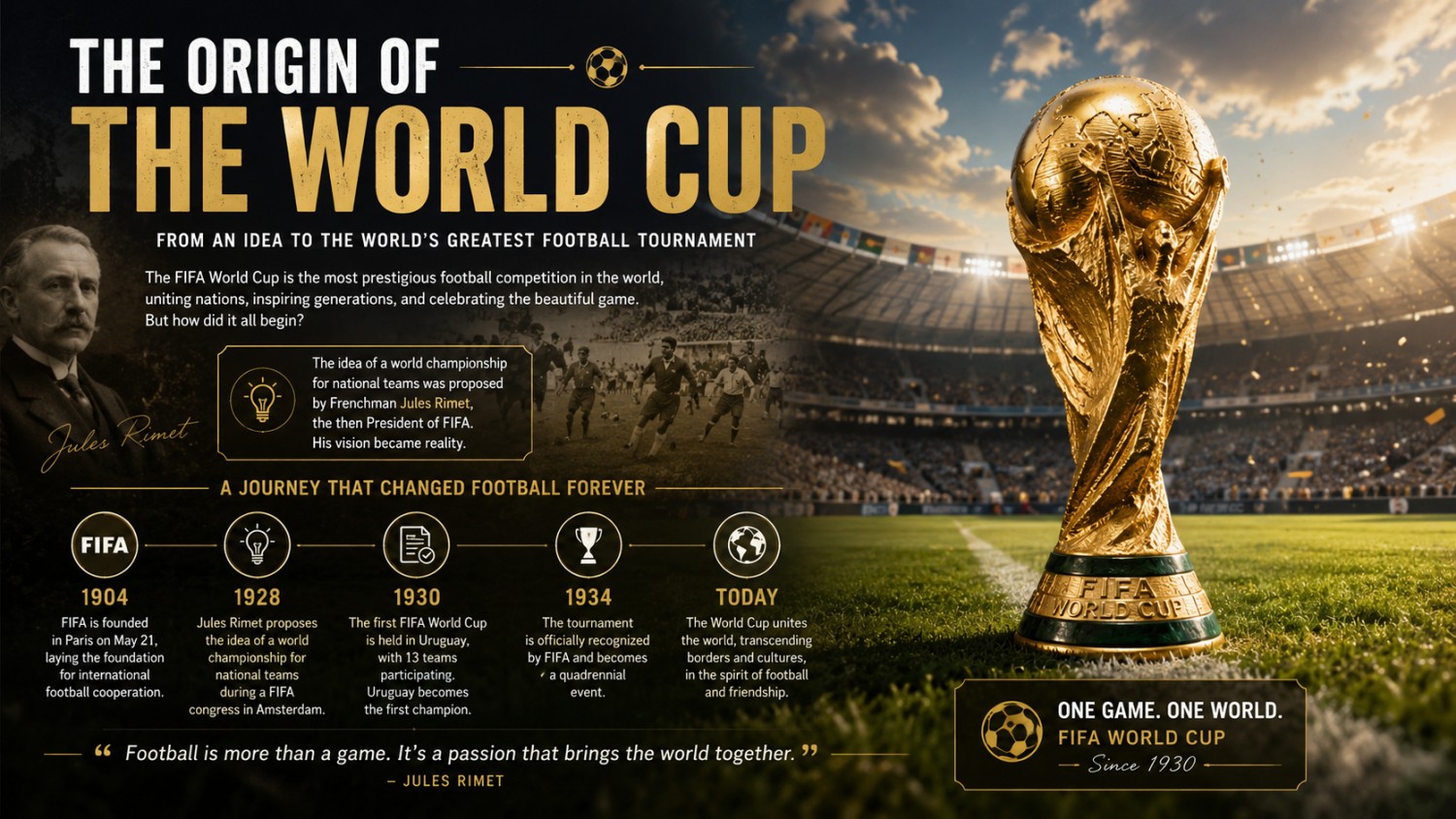
Discover FIFA World Cup origins, tournament mechanics and what championship glory means for professional football players.
READ MORE
Learn how panel and full inspection cut defects, stabilize output and safeguard brand reputation for sportswear sourcing.
READ MORE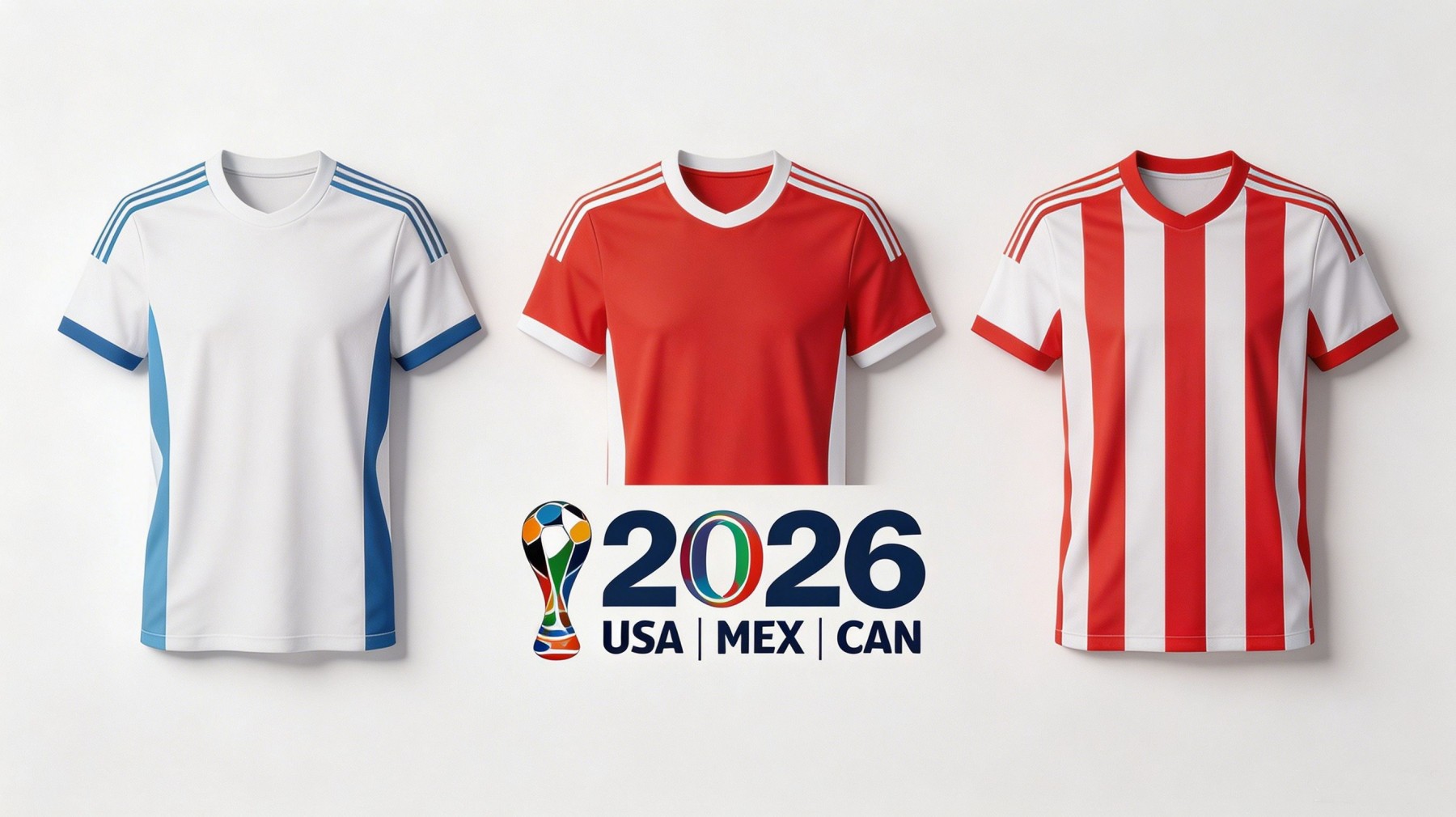
2026 FIFA World Cup fuels jersey customization boom. Digital tech, phygital and sustainability reshape fan sportswear creation and retail.
READ MORE