
For sportswear brands, football clubs, distributors, and teamwear retailers, maintaining consistent colors and designs across bulk football jersey orders is essential to product quality and brand identity. When hundreds or thousands of jerseys are produced in the same order, even small differences in fabric color, logo placement, printing quality, or sizing details can create noticeable inconsistencies. These issues may lead to customer complaints, additional production costs, and delays in delivery.
Working with an experienced football jerseys manufacturer and establishing clear production standards can help businesses reduce these risks. From artwork approval and fabric selection to color testing, sample confirmation, and final inspection, every stage of the manufacturing process contributes to a consistent result.
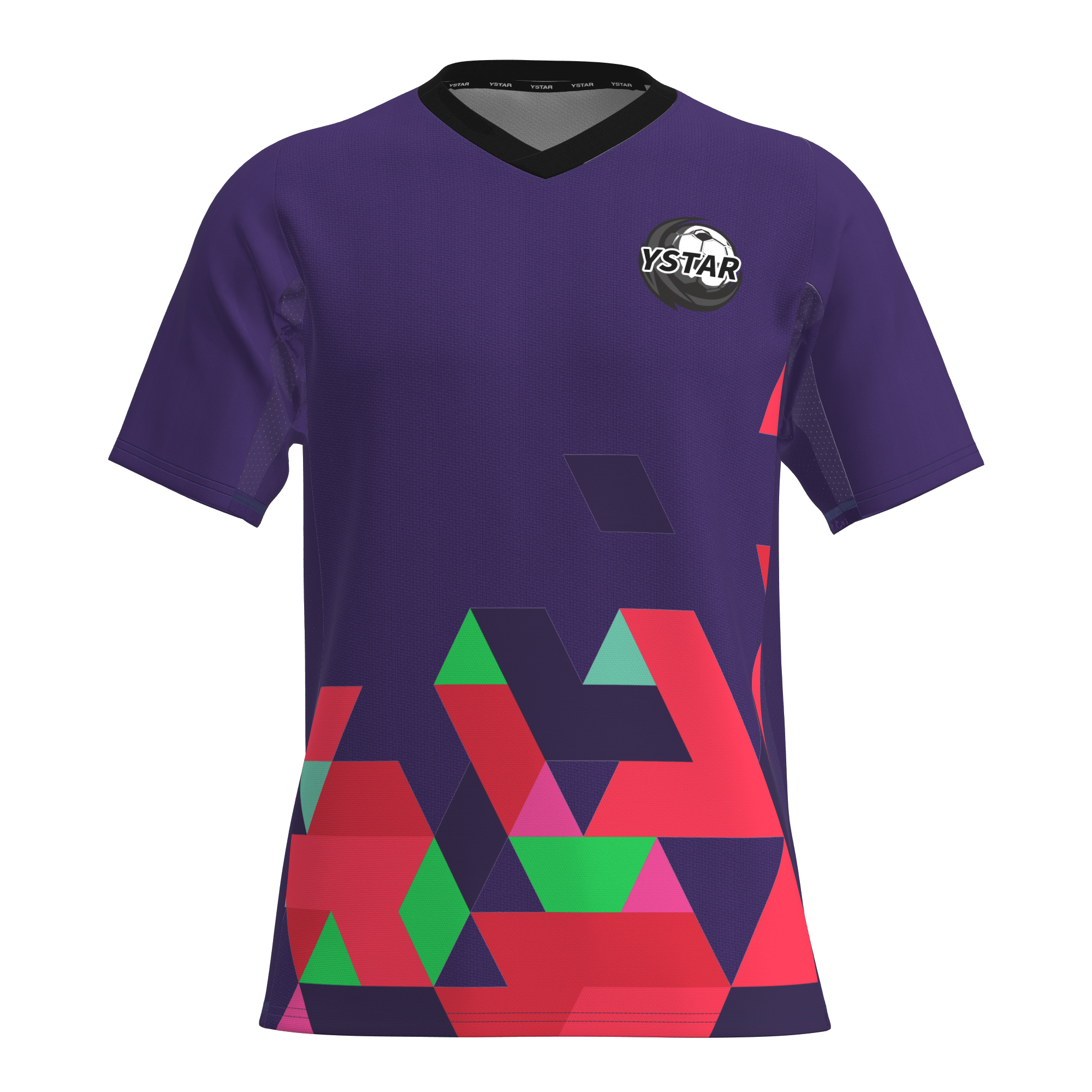
This guide explains how businesses can maintain color accuracy and design consistency when ordering football jerseys in bulk.
Football jerseys are more than performance apparel. They represent a team's identity, a sportswear brand's visual style, and the professional image of the organization wearing them.
For clubs and academies, all players need uniforms that look consistent during training, matches, team photography, and public events. For distributors and sportswear brands, visual consistency is equally important because customers expect every item in a product range to match the approved design.
Several factors make consistency particularly challenging during bulk production.
A team's colors may be central to its identity. If one batch of jerseys appears darker, brighter, or more saturated than another, the difference can be obvious when players stand together.
Color variation can result from differences in fabric composition, dye batches, printing settings, or production conditions. Establishing a clear color reference before production helps manufacturers control these variables.
Club crests, sponsor logos, player names, numbers, stripes, and decorative patterns must follow the same approved specifications. Small differences in size, position, or alignment can make a uniform set look inconsistent.
A standardized artwork file and clearly documented placement measurements help ensure that each jersey follows the same design.
For sportswear brands and wholesale buyers, product consistency affects customer confidence. If a shipment contains visibly different colors or inaccurate graphics, the buyer may need to request replacements or delay distribution.
A structured quality control process helps reduce these risks and supports more reliable bulk ordering.
The first step toward consistent football jerseys is to define the required colors clearly. Descriptions such as navy blue, royal blue, or bright red are useful for communication, but they are not precise enough to serve as the only production reference.
Whenever possible, provide a standardized color reference, such as an approved Pantone color, together with the final artwork. For digital designs, RGB or HEX values can help communicate the intended appearance, but they should not be treated as exact physical color standards.
The final appearance of a printed or dyed color can vary depending on the fabric, production method, and finishing process. For this reason, a physical sample should be used to verify the result before bulk manufacturing begins.
Buyers should confirm:
Main jersey color and secondary colors
Collar, sleeve, cuff, and side-panel colors
Gradient effects and multicolor patterns
Logo, sponsor, name, and number colors
Any color differences between home, away, and training jerseys
Documenting these details reduces the risk of different departments interpreting the same design differently.
A color displayed on a computer monitor may not look identical when applied to polyester sportswear fabric. Screen brightness, material texture, printing technology, and fabric color all affect the final result.
For custom football jerseys, it is therefore important to evaluate the color on the intended material and production method. If sublimation printing is used, the printed sample should be checked on the selected polyester fabric. If another printing or decoration method is planned, the sample should reflect that method as closely as possible.
The approved physical sample becomes a practical reference for bulk production and inspection.
Color consistency depends not only on the design file but also on the materials used to manufacture the jerseys. Even when the same color specification is provided, different fabric compositions or surface characteristics can produce different visual results.
Before placing a bulk order, confirm the fabric type, composition, weight, texture, and intended performance characteristics. For example, lightweight polyester, breathable mesh, and polyester blends may differ in how they absorb or reflect color.
If an order requires multiple fabric panels, make sure the specifications for each panel are documented. Different materials within the same jersey can display the same color differently, so sample approval is particularly important for designs that combine mesh panels, textured fabrics, and smooth printed sections.
Unexpected material substitutions can affect both appearance and performance. If the originally approved fabric becomes unavailable, the replacement should not be used without evaluating its effect on color, texture, fit, and printing quality.
For repeat orders, retaining the approved material specification helps reduce unnecessary variation between production runs.
Color is only one part of visual consistency. The artwork itself must also remain unchanged throughout production unless the buyer formally approves a revision.
A reliable custom football jersey order should have one final, approved design file that serves as the reference for sampling, production, and inspection.
When multiple people are involved in an order, outdated files can easily be sent to the factory. A sales team may approve one version while a designer or production team continues working from another.
To avoid this problem, assign a version number or approval date to the final artwork. Clearly identify the file that is authorized for production, and archive superseded versions.
The approved artwork should specify:
Front and back jersey designs
Sleeve and side-panel graphics
Club crests and sponsor logos
Player names and numbers
Font style, size, color, and placement
Pattern scale, alignment, and orientation
Any approved variations by product or size
This approach is especially important when a bulk order includes multiple teams, age groups, or jersey designs.
Logos and player numbers should follow repeatable measurements rather than visual estimates. Specify their dimensions and positions relative to fixed garment reference points, such as the centerline, shoulder seam, or hem.
For example, a sponsor logo should not be positioned differently simply because an operator estimates its location by eye. A defined measurement and a consistent production template provide a more reliable standard.
If the design requires player-specific names and numbers, maintain a separate personalization list that matches each item to the approved artwork and order quantity.
Different decoration methods have different production characteristics. Choosing a suitable method helps manufacturers reproduce colors, patterns, and details more consistently across bulk football jersey orders.
Sublimation printing is commonly used for polyester football jerseys, particularly when the design includes gradients, complex patterns, multiple colors, or graphics covering large areas.
Because the design is transferred into the fabric through a heat-based process, sublimation can support detailed, integrated graphics without adding a thick printed layer to the surface.
However, consistent results still depend on controlled printing parameters, suitable fabric, accurate artwork preparation, and appropriate heat-transfer conditions. Buyers should approve a production-representative sample rather than assuming that every fabric and color combination will reproduce identically.
Heat transfers, screen printing, and other decoration methods may be appropriate for particular logos, names, numbers, or design requirements. Their suitability depends on the artwork, fabric, expected use, and required finish.
When different decoration methods are used on the same jersey, check that the finished elements work together visually. Pay attention to color contrast, edge definition, placement, and the appearance of the graphics after washing and normal wear.
For repeat orders, keeping the decoration method consistent can help minimize differences between batches.
Sample approval is one of the most effective ways to prevent inconsistencies before they affect an entire shipment.
A digital mockup can confirm the overall design concept, but it cannot fully demonstrate the physical color, fabric texture, fit, or finished printing quality. A production-representative sample gives the buyer a more realistic basis for approval.
Before approving a sample, review the following details:
Color accuracy: Compare the main fabric color, contrast panels, logos, and numbers against the agreed reference.
Graphic alignment: Check whether patterns meet correctly at seams and whether logos, sponsor graphics, and numbers are positioned consistently.
Printing quality: Look for blurred edges, uneven color, visible defects, or unwanted marks.
Fabric and construction: Confirm that the material, stitching, collar, sleeves, and overall finish match the agreed specifications.
Size and fit: Verify the size chart, garment measurements, and intended fit for the target players.
Personalization: Check the spelling of player names, number formatting, font, and placement.
If changes are needed, document them and approve the revised sample before authorizing bulk production.
Once the sample is approved, it should serve as the reference for production checks. Keep a record of the artwork version, material specifications, color references, and any special instructions associated with the approval.
For repeat orders, compare the new sample with the previous approved version. Even if the design has not changed, changes in fabric supply or production conditions may affect the final appearance.
An approved design and suitable material provide the foundation for consistency, but the production process must also be controlled.
Differences in printing temperature, pressure, processing time, machine calibration, or material handling can influence the finished appearance. The relevant controls depend on the selected production method.
Manufacturers should establish appropriate operating standards for the chosen printing or decoration process and monitor them during production. Operators should follow the same approved specifications rather than adjusting settings without documentation.
If a problem occurs, any process adjustment should be evaluated and recorded. This helps prevent one correction from creating a new inconsistency elsewhere in the order.
Before proceeding with the entire quantity, inspect the initial production pieces against the approved sample. Confirm that the color, graphics, and construction meet the required standard.
This early checkpoint can identify problems before they are repeated across hundreds of garments. It is generally more efficient to correct an issue at the beginning of production than to discover it after the full order has been completed.
Final inspection is important, but it should not be the only quality checkpoint. A staged quality control process allows issues to be identified closer to the point where they occur.
Check incoming fabric and decoration materials against the approved specifications. Verify material type, color, quantity, and any other relevant requirements before production starts.
Where appropriate, compare fabric samples under consistent lighting conditions to make visual differences easier to identify.
During production, inspect selected jerseys for color uniformity, graphic alignment, printing defects, and construction quality. Pay particular attention to changes between production batches and any process adjustments.
For large or complex orders, define inspection checkpoints in advance rather than relying on occasional informal checks.
Before packing, inspect the finished jerseys against the approved sample and order specifications. Depending on the order requirements, this may include:
Checking color consistency across garments
Verifying logos, sponsor graphics, and patterns
Confirming player names and numbers
Checking size labels and garment measurements
Identifying stains, printing defects, or stitching problems
Confirming quantities and packaging requirements
The inspection plan should reflect the order size, design complexity, and buyer's quality requirements.
Bulk football jersey orders often include a wide range of sizes and individualized details. These variations can create confusion if the production information is not organized clearly.
A structured order sheet should identify each design, size, quantity, and personalization requirement. For orders serving multiple teams or age groups, separate the information by team or product version.
The sheet should clearly distinguish between details that must remain identical and details that are expected to vary.
For example, the base color, pattern, crest, and sponsor logo may be fixed across the order, while player names, numbers, and garment sizes differ by item.
Name and number lists should be checked for spelling, duplicates, missing entries, and incorrect associations between players and sizes. A final confirmation step helps prevent errors that cannot be resolved through color or print-quality checks alone.
For distributors and retailers, this organized approach also makes it easier to reconcile the completed shipment with the original purchase order.
For sportswear brands and distributors, the first order is often only the beginning. Future orders may be required for new team members, replacement jerseys, additional sales, or a new season.
Maintaining consistency across separate production runs requires more than reusing the same design file.
Keep records of the approved fabric, color references, artwork, printing method, size chart, and quality requirements. When reordering, provide these records to the manufacturer and confirm that the original specifications can still be followed.
If any material or production process has changed, request an updated sample for review before confirming the full order.
Some production processes may involve small variations, but the acceptable limits should be agreed upon where practical. Buyers and manufacturers should establish how color, measurements, placement, and printing defects will be evaluated.
Using clear acceptance criteria helps avoid disagreements after delivery because both parties understand what constitutes an acceptable product.
Consistent bulk production depends on cooperation between the buyer and manufacturer. Buyers provide accurate specifications and timely approvals, while the manufacturer follows documented production and quality control procedures.
When evaluating a potential football jerseys manufacturer, ask how the company manages artwork revisions, fabric selection, sample approval, production checks, and repeat orders.
Useful questions include:
Can the manufacturer work from an approved color reference and physical sample?
How are final artwork files controlled during production?
How are logo placement, player names, and numbers standardized?
Are initial production pieces checked before the full order proceeds?
What inspection procedures are used before shipment?
Can the manufacturer retain specifications for repeat orders?
How are material substitutions or requested design changes approved?
The answers can help you determine whether the supplier has a process for maintaining consistency rather than relying solely on visual judgment.
For clubs, sportswear brands, distributors, and teamwear businesses, a clear customization process makes bulk ordering easier to manage. YSTAR provides custom sportswear services that support the development of football jerseys according to buyer requirements, from design communication and sample development to bulk production.
Before starting a project, buyers should prepare their logo files, color references, design concepts, fabric preferences, size requirements, and expected quantities. Confirming these details early helps align expectations and reduces the likelihood of unnecessary changes during manufacturing.
For customized football jerseys, the key is to establish an approved design and material specification before production begins, then use that specification throughout manufacturing and inspection.
Maintaining color and design consistency across bulk football jersey orders requires coordinated control over materials, artwork, printing, production settings, and quality inspection. A clear color reference, standardized design files, approved physical samples, and documented inspection criteria help reduce variation and protect the quality of the finished jerseys.
For sportswear brands, clubs, and distributors, consistency should be treated as a production requirement from the beginning—not simply something to check after the order is complete.
By preparing detailed specifications, confirming samples, monitoring production, and choosing a manufacturer with a structured workflow, buyers can improve the reliability of bulk football jersey orders and create a more consistent experience for every team or customer they serve.
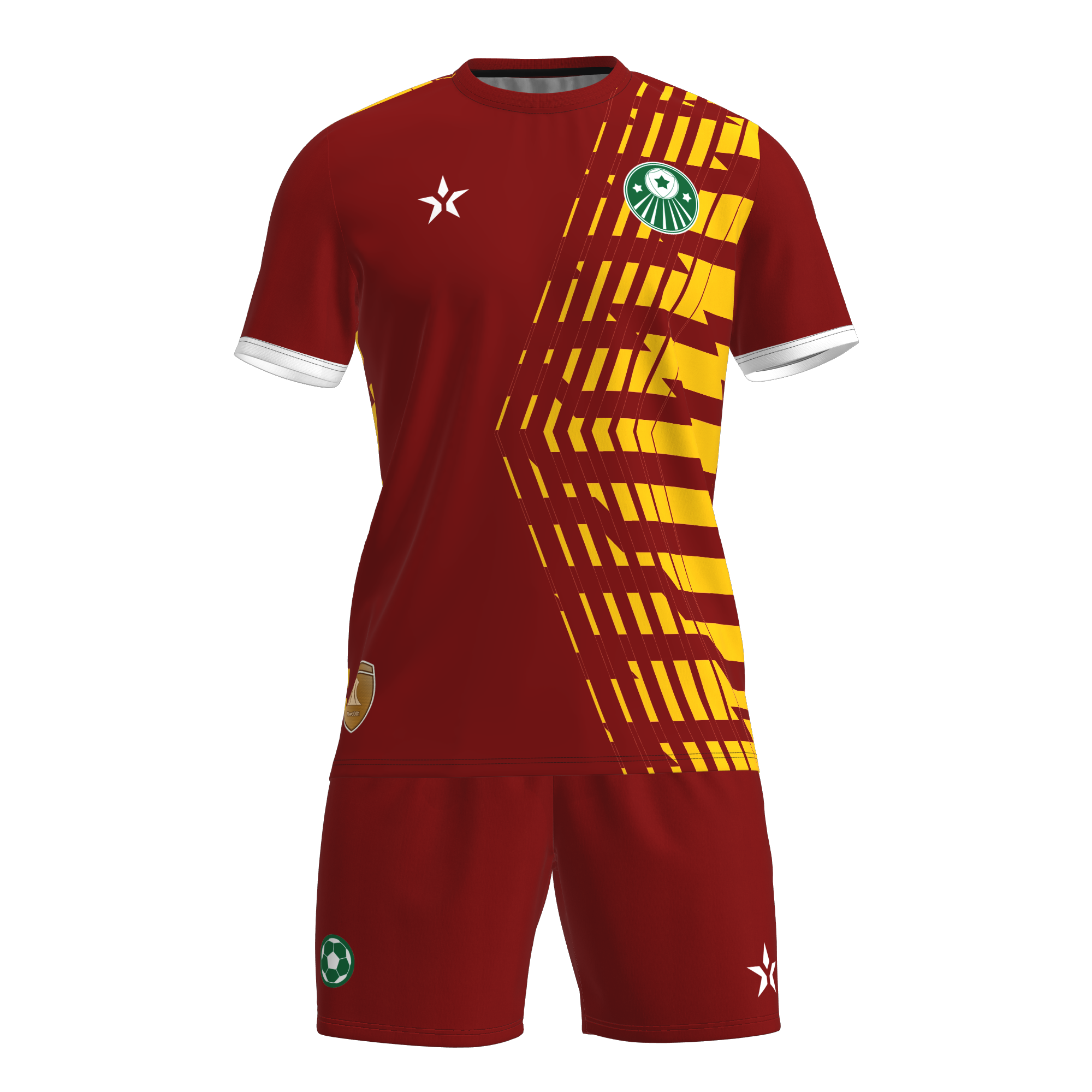
Choosing the right soccer jersey involves more than selecting a design and adding a team logo. Fabric construction, garment fit, printing methods, and finishing details all influence the final product's appearance, comfort, durability, and overall va...
READ MORE
For organizations that manage multiple sports teams, developing custom team uniforms requires careful coordination across different sports, age groups, performance requirements, and budgets. A football team may need lightweight jerseys designed for o...
READ MORE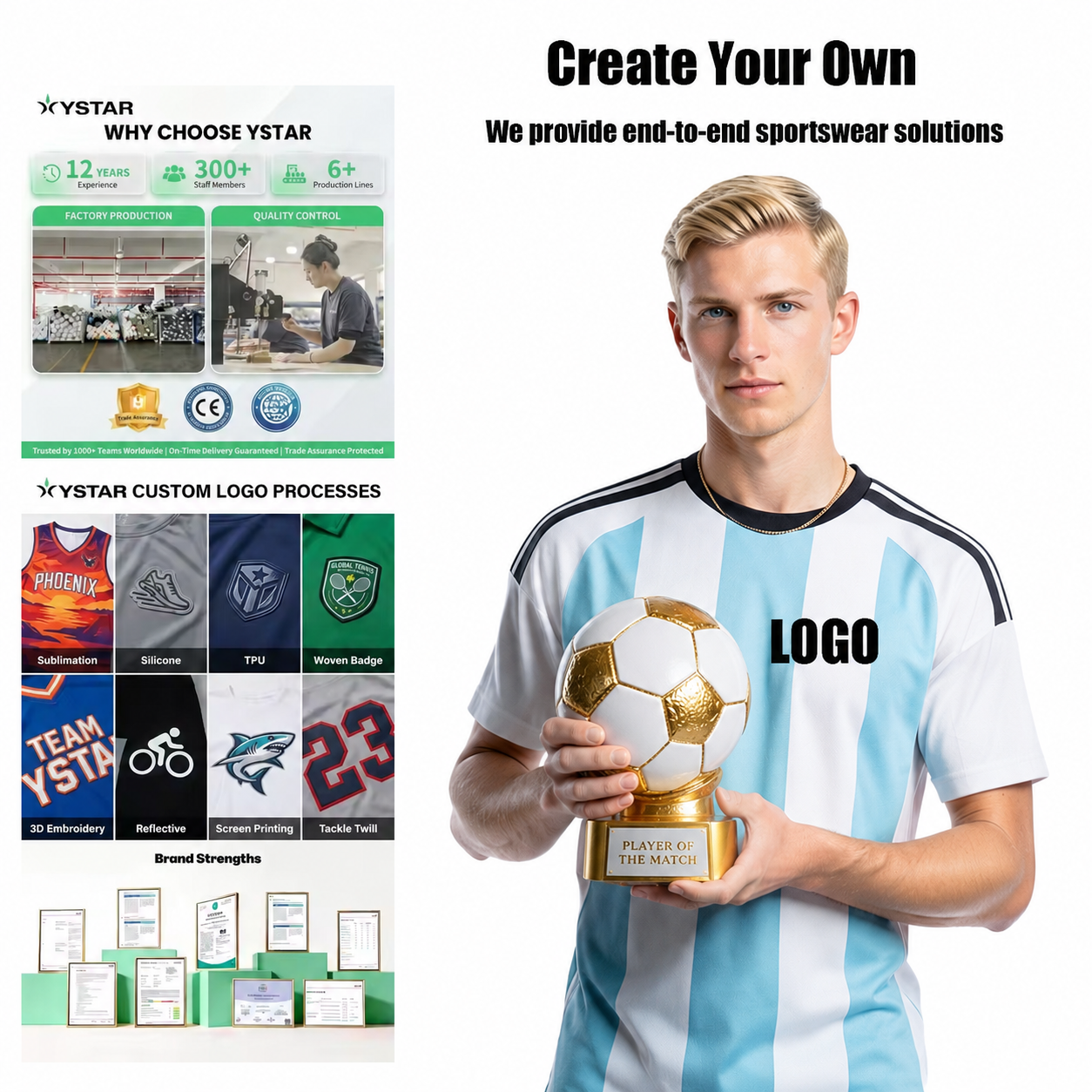
Calculating the total cost of a custom sportswear order involves more than comparing the unit prices offered by different manufacturers. For sportswear brands, distributors, sports clubs, and online retailers, the final cost depends on fabric selecti...
READ MORE