
A football jersey needs to do more than represent a team's colors. During training, players need apparel that supports repeated movement, regular washing, and comfortable wear across long sessions. On match day, the same garment must deliver a professional appearance, clear player identification, and reliable performance under competitive conditions.
For football clubs, youth academies, sports brands, distributors, and teamwear retailers, choosing the right football jerseys means balancing fabric performance, fit, construction, customization, and cost. A well-designed jersey should meet the practical demands of the pitch while maintaining consistent quality across different sizes and bulk orders.
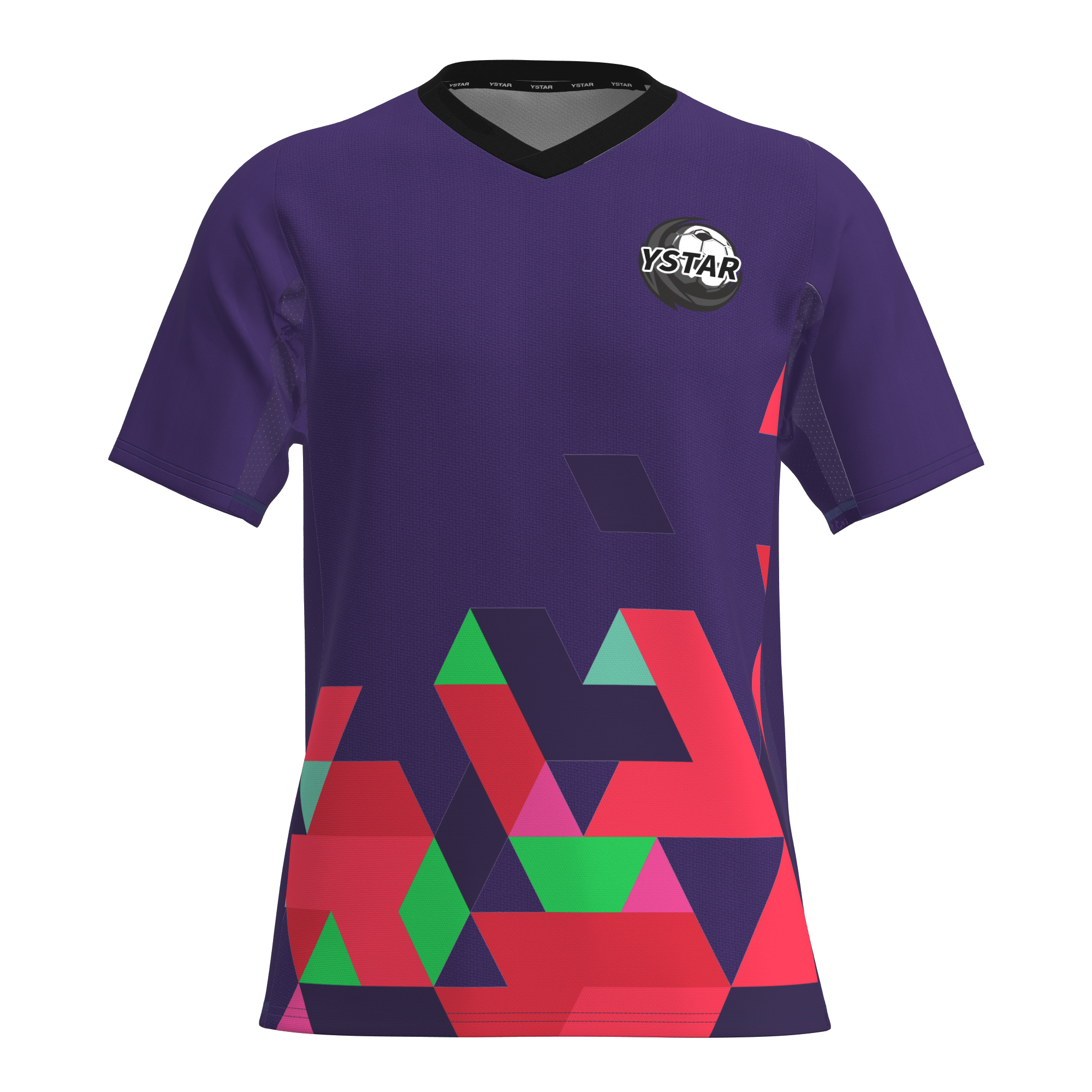
Although training and match jerseys share many features, their intended uses can differ. Understanding these differences helps buyers select appropriate materials, define product specifications, and work with a manufacturer to develop teamwear that meets their requirements.
Fabric is one of the most important factors determining whether a football jersey is suitable for regular training and competitive matches. It affects breathability, moisture management, weight, flexibility, and the garment's overall feel.
Polyester is widely used in performance sportswear because it can be engineered into lightweight fabrics with quick-drying properties and suitable durability for repeated athletic use. However, not all polyester jerseys perform identically. Fabric construction, yarn characteristics, weight, and finishing can significantly affect the final result.
When evaluating football jerseys, buyers should consider several key properties.
Breathability: Players generate heat during running, sprinting, and other high-intensity movements. A suitable fabric should support airflow and help reduce the uncomfortable feeling of excessive heat.
Moisture management: Fabric designed to move moisture away from the skin and dry efficiently can help players remain more comfortable throughout training and matches.
Lightweight construction: A lightweight jersey can reduce unnecessary bulk and support freedom of movement. The appropriate fabric weight depends on the garment's intended use and construction.
Flexibility: The fabric should accommodate running, turning, jumping, and stretching without making the jersey feel restrictive.
Durability: Football jerseys need to withstand regular washing, repeated wear, and the demands of team activities. Fabric selection should reflect the expected frequency of use.
For training jerseys, buyers may prioritize easy care and durability because garments are worn frequently. Match jerseys may place additional emphasis on lightweight construction, fit, appearance, and compatibility with personalized graphics.
These are purchasing priorities rather than absolute rules. A well-selected fabric may be suitable for both applications if it meets the team's performance and budget requirements.
Football involves repeated changes in pace, from walking and jogging to sprinting and rapid directional changes. During these activities, players need jerseys that allow heat and moisture to be managed effectively.
Breathability depends on more than the fiber composition. The fabric structure, thickness, surface design, and garment construction all influence airflow and wearing comfort.
Some football jerseys use mesh fabrics or mesh panels to support ventilation in selected areas. Depending on their construction, these materials can help create a lighter or more breathable garment. However, mesh fabrics vary in texture, opacity, stretch, and durability, so buyers should evaluate the actual material rather than assuming every mesh fabric offers the same performance.
Moisture management also deserves attention. A fabric's ability to spread moisture across its surface and dry efficiently can influence comfort during long sessions. Buyers should ask manufacturers for relevant material specifications and, when performance claims are important, supporting test information.
For clubs operating in hot or humid environments, fabric samples can help compare airflow, weight, and texture before an order is confirmed. Testing garments during typical training conditions may also provide useful feedback about fit and comfort.
The goal is to select a fabric that suits the players, climate, and intended level of activity rather than choosing solely on the basis of marketing descriptions.
A football jersey should allow players to move naturally without excessive fabric interfering with activity. Fit also affects how the team looks, particularly when all players wear coordinated uniforms during matches and official events.
Common fit options include:
Slim fit: A closer silhouette for teams that prefer a streamlined athletic appearance.
Regular fit: A balanced cut suitable for a broad range of players and teamwear applications.
Relaxed fit: A roomier option that may be preferred for recreational play or players who want additional space.
The most suitable fit depends on the garment pattern, fabric stretch, player preference, and intended use. A slim fit should not restrict shoulder movement or feel excessively tight, while a relaxed fit should not create unnecessary bulk.
When evaluating a football jersey, buyers should check the chest width, body length, sleeve length, shoulder construction, collar opening, and overall comfort. It is also useful to assess how the garment behaves during running, turning, and raising the arms.
For youth academies and organizations managing several teams, the size range is particularly important. A design may need to accommodate children's sizes, standard adult sizes, and extended sizes while maintaining a consistent team appearance.
International buyers should confirm the manufacturer's actual garment measurements and sizing standard. Size labels can vary between suppliers, so a size chart is more useful than assuming that an S, M, or L will fit identically across different products.
Fabric and fit establish the foundation of a football jersey, but construction determines how effectively the garment comes together.
Seams, collars, sleeves, hems, and panels should be assembled consistently according to the approved design. Poor construction can affect appearance, comfort, and the garment's ability to withstand regular use.
Important construction details include:
Seam consistency: Stitching should be secure and even, with no obvious gaps or irregularities.
Collar comfort: The neckline should maintain the intended shape without uncomfortable edges or excessive tension.
Sleeve construction: Sleeves should allow natural arm movement and match the approved pattern.
Hem finishing: The bottom hem and sleeve edges should be neat and consistent.
Panel alignment: Color-blocked panels and patterned sections should align with the approved design.
Size consistency: Garments within the same size category should follow the agreed measurement tolerances.
Training jerseys may experience frequent washing and repeated use, making construction quality an important consideration for clubs seeking long service life. Match jerseys also need consistent construction because visible irregularities can affect the professional appearance of the team.
For bulk orders, buyers should review samples and agree on quality criteria before production begins. A documented specification gives both the buyer and manufacturer a common reference for checking the finished goods.
Football jerseys commonly include club crests, sponsor logos, player names, and numbers. These details contribute to team identity and help players remain identifiable during matches.
The decoration method should be selected according to the fabric, artwork, desired finish, and intended use of the jersey.
Sublimation is widely used for suitable polyester sportswear. It allows manufacturers to create detailed graphics, gradients, multicolor patterns, and all-over designs. The ink integrates into compatible polyester fibers, generally adding little surface texture.
This method is useful for custom football jerseys with complex patterns or multiple colors. However, its results depend on fabric compatibility, color selection, and production conditions.
Heat-applied transfers are often used for player names, numbers, and selected logos. They can be practical when each jersey requires different personalization.
Buyers should confirm the transfer material, application process, fabric compatibility, and expected performance through repeated washing. The final appearance should also be checked for correct positioning and adhesion.
Screen printing may be suitable for selected graphics and designs with defined colors. Other decoration methods, including embroidery, may be considered for particular branding requirements, although the added weight and stiffness may not suit every performance jersey.
For each method, the manufacturer should assess the artwork and material before recommending a production approach.
When ordering custom football jerseys, clubs should confirm logo dimensions, colors, placement, player-name spelling, number assignments, and any applicable competition requirements. These details should be approved before bulk production to reduce personalization errors.
Training and match jerseys can share the same team colors and branding, but their purchasing priorities may differ.
Training garments are typically used more frequently and may be washed several times each week. Match jerseys may be designed around a specific competition appearance, sponsor layout, or player-identification requirement.
The following comparison provides a useful starting point.
| Feature | Training Jerseys | Match Jerseys |
|---|---|---|
| Main priority | Repeated use and practical comfort | Performance, appearance, and competition requirements |
| Fabric selection | Durability, easy care, and comfort | Lightweight feel, breathability, and suitable performance |
| Fit | Comfortable for varied drills and movement | Fit suited to the team's playing preferences |
| Decoration | Often simpler team or training identification | May include detailed crests, sponsors, names, and numbers |
| Design | Practical and consistent across training groups | Coordinated with official home, away, or goalkeeper kits |
| Ordering considerations | Replacement quantities and frequent-use requirements | Match schedules, roster accuracy, and competition rules |
These differences are not absolute. Some teams use the same jersey design for training and matches, while others maintain separate apparel ranges. The decision should reflect the team's usage patterns, budget, and uniform policy.
For clubs ordering both types, using coordinated colors and graphics can create a consistent identity without requiring identical fabric specifications for every garment.
Football jerseys are exposed to sweat, repeated washing, friction, and outdoor conditions. Over time, these factors can affect fabric appearance, graphic quality, and garment shape.
For organizations purchasing uniforms in bulk, durability is not simply about how a jersey looks when it first arrives. It is also about how well the garment meets expectations after regular use.
Buyers should consider the following:
Color stability: Confirm that the fabric and decoration are suitable for the expected washing conditions.
Graphic durability: Evaluate whether logos, names, and numbers are designed for repeated wear and care.
Shape retention: Check whether the jersey maintains its intended dimensions after washing.
Seam integrity: Inspect whether stitching remains consistent during normal use.
Care instructions: Confirm washing temperature, drying recommendations, and any restrictions on ironing or chemical treatment.
Different fabrics and decoration methods require different care procedures. Buyers should request clear washing instructions and review any available test information relevant to their requirements.
For large orders, sample evaluation can help identify potential issues before the products are distributed across an entire club or academy. Where specific durability requirements apply, they should be defined and agreed upon before production.
The best football jersey depends partly on who will wear it and where it will be used.
Competitive teams may prioritize fit, fabric weight, sponsor placement, number visibility, and consistency across the full squad. Match schedules and competition rules can also affect the design and ordering timeline.
Youth academies need appropriate sizing and designs that can be maintained across different age groups. Fabric durability and replacement availability may be especially important because players train regularly and team rosters can change.
Schools and recreational organizations may seek a balance between comfort, cost, easy maintenance, and a recognizable team appearance. Simple designs and clear size specifications can help streamline bulk ordering.
Distributors may need a range of styles, sizes, and customization options to serve different customers. Consistent specifications, predictable product quality, and clear communication with the manufacturer can support repeat business.
Climate should also influence fabric selection. Teams playing in hot and humid conditions may place greater emphasis on airflow and moisture management, while organizations operating across different seasons may need to consider layering and the wider teamwear collection.
Rather than using one universal specification for every customer, buyers should match the garment to the intended users and conditions.
A sample review allows buyers to assess the garment before committing to bulk production. It is especially useful when working with a new manufacturer, introducing a new design, or changing fabric or decoration methods.
During sample evaluation, check the following areas.
Fabric: Assess texture, weight, stretch, and comfort against the agreed requirements.
Fit: Compare actual garment measurements with the size chart and evaluate freedom of movement.
Construction: Inspect seams, collars, sleeves, hems, and panel alignment.
Graphics: Check colors, logo placement, number visibility, and the accuracy of personalization.
Finishing: Review loose threads, visible defects, label application, and overall presentation.
Care performance: Where practical and relevant, follow the recommended washing instructions to assess how the garment and graphics respond.
For larger orders, consider checking representative sizes rather than relying on a single sample. A design may look correct in one size but require adjustments to proportions or graphic placement in other sizes.
Record any changes clearly and obtain confirmation that the final production specification reflects the approved sample. This creates a more reliable basis for bulk manufacturing and inspection.
For B2B buyers, a suitable football jersey must also fit the practical requirements of purchasing and distribution. A good design can still create difficulties if quantities, sizes, personalization, or delivery arrangements are not planned carefully.
Before requesting a quotation, prepare a product brief that includes:
Product type and intended use.
Total quantity and size breakdown.
Preferred fabric and fit.
Team colors and artwork files.
Club crest and sponsor requirements.
Player names and numbers, if applicable.
Packaging and labeling requirements.
Delivery destination and required arrival date.
Ask the manufacturer to clarify minimum order quantities, sampling arrangements, production lead times, payment terms, shipping options, and quality-control procedures.
For clubs that order every season, retaining approved artwork, size charts, color references, and material specifications can make future purchases easier. However, buyers should reconfirm material availability and production details for each repeat order.
A clear ordering process helps reduce errors, improves communication, and makes it easier to compare supplier quotations based on the same product requirements.
The manufacturer plays an important role in translating product requirements into finished garments. Buyers should look beyond the initial quotation and assess whether the supplier can support the project from design development through delivery.
Important evaluation criteria include:
Product experience: Familiarity with football jerseys and related sportswear.
Customization capability: Ability to discuss fabrics, fits, graphics, logos, names, and numbers.
Sampling process: A clear procedure for design review and sample approval.
Production consistency: Defined specifications and checks for bulk orders.
Communication: Clear responses about product details, costs, and timelines.
Repeat-order support: The ability to refer to approved specifications for future purchases.
When comparing quotations, check that the suppliers are offering equivalent products. Fabric construction, garment measurements, decoration methods, packaging, and shipping can all affect the final price.
Buyers should also ask how the manufacturer manages artwork approval, size breakdowns, personalization lists, and final inspections. Clear answers to these questions can help establish realistic expectations before an order is placed.
For clubs, academies, distributors, and sports organizations seeking customized teamwear, YSTAR offers a process covering design development, sampling, and bulk production. Its product focus includes custom soccer uniforms and football kits, with options that can be discussed according to the requirements of each project.
Buyers can provide their design concept, club logo, preferred colors, fabric requirements, size breakdown, and personalization details to help define the product. These specifications support the design-review process and provide a basis for confirming the order before production begins.
For a first inquiry, it is helpful to include the intended use of the jerseys, estimated quantity, required sizes, design artwork, and expected delivery date. Organizations with existing uniforms can also share reference images or product specifications to communicate their expectations.
A football jersey suitable for training and match-day use combines appropriate fabric performance, comfortable fit, consistent construction, durable decoration, and reliable finishing. The right balance depends on how frequently the garment will be worn, the playing environment, the needs of the team, and the available budget.
For clubs and other B2B buyers, reviewing samples and confirming technical specifications before bulk production are essential steps. Fabric composition, sizing, printing methods, personalization, and care requirements should all be considered as part of one coordinated purchasing decision.
By defining clear requirements and working with a manufacturer that understands custom sportswear, organizations can develop football jerseys that represent their teams professionally while meeting practical requirements for everyday training and competitive play.
Learn how panel and full inspection cut defects, stabilize output and safeguard brand reputation for sportswear sourcing.
READ MORE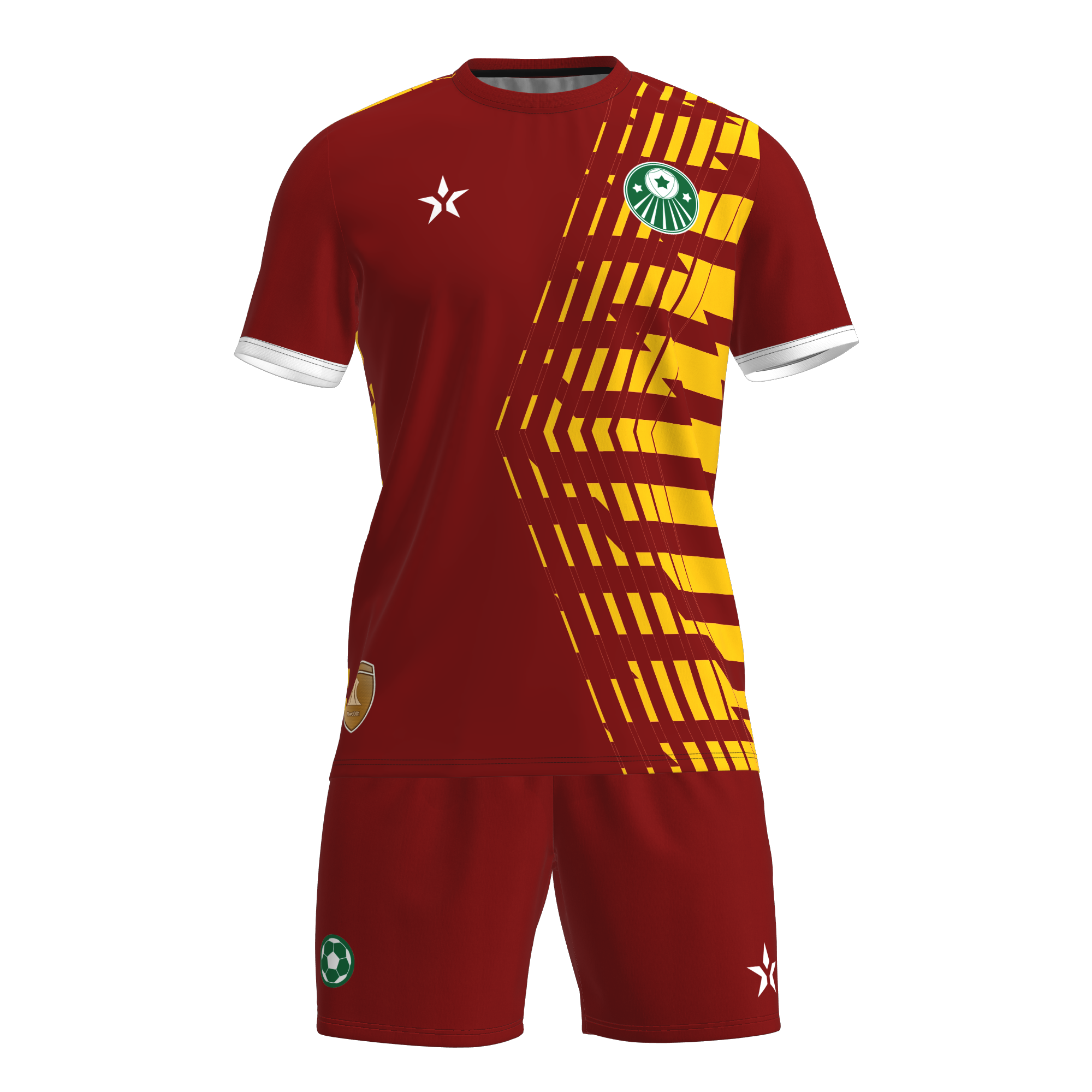
Choosing the right soccer jersey involves more than selecting a design and adding a team logo. Fabric construction, garment fit, printing methods, and finishing details all influence the final product's appearance, comfort, durability, and overall va...
READ MORE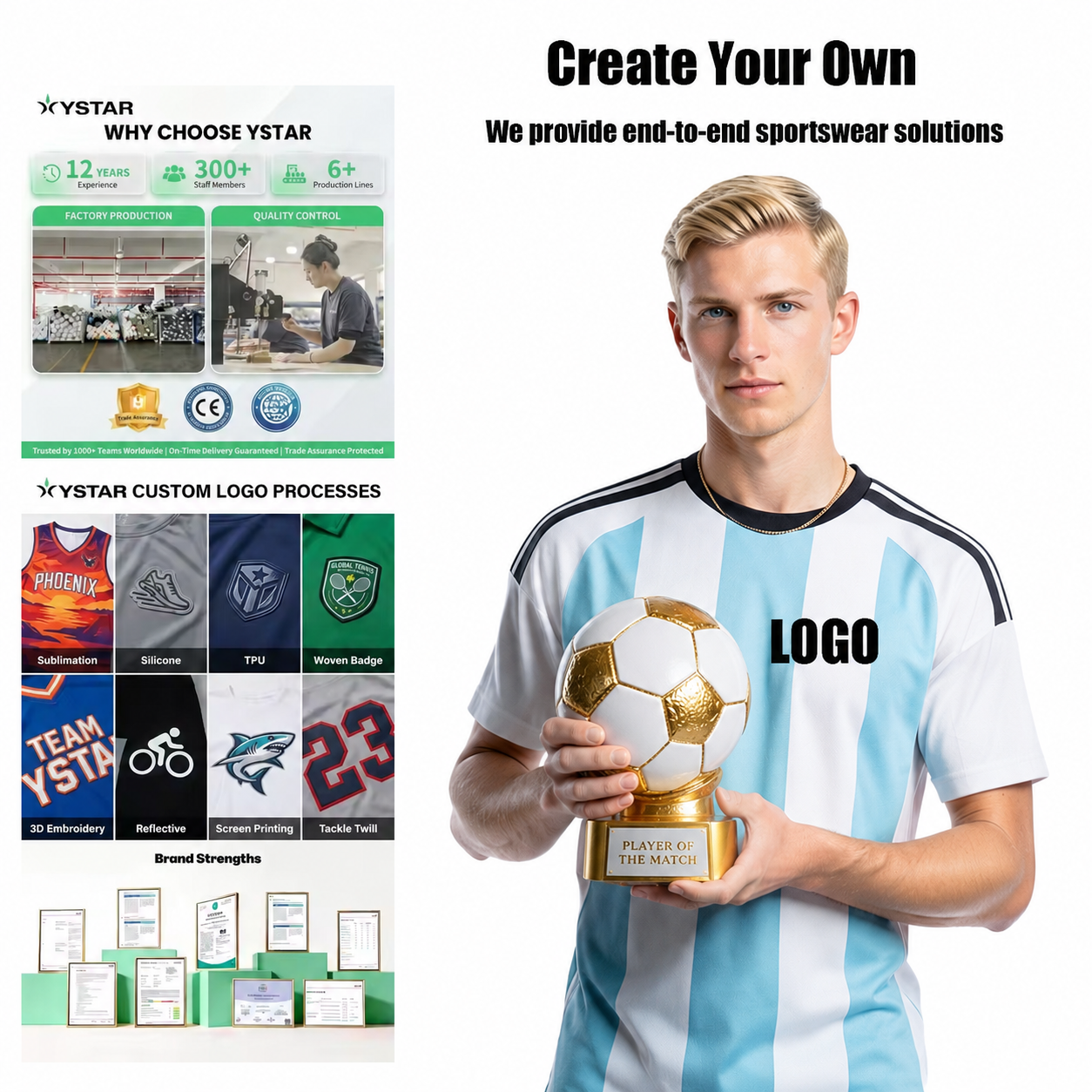
Calculating the total cost of a custom sportswear order involves more than comparing the unit prices offered by different manufacturers. For sportswear brands, distributors, sports clubs, and online retailers, the final cost depends on fabric selecti...
READ MORE