
Launching a custom sportswear collection involves more than choosing a design and selecting a fabric. Before manufacturing begins, brands need to communicate detailed product requirements to ensure that the finished garments match their expectations. This is where a sportswear tech pack becomes an essential tool.
For sportswear brands, teamwear businesses, distributors, and private-label companies, a well-prepared tech pack helps translate creative ideas into clear manufacturing instructions. It reduces misunderstandings, supports accurate sampling, and provides a reference for maintaining consistency during bulk production.
Working with a custom sportswear manufacturer becomes more efficient when both parties share the same technical information before production starts. Whether a project involves custom soccer jerseys, basketball uniforms, baseball jackets, or a complete teamwear collection, a detailed tech pack helps align design, materials, construction, sizing, and customization requirements.
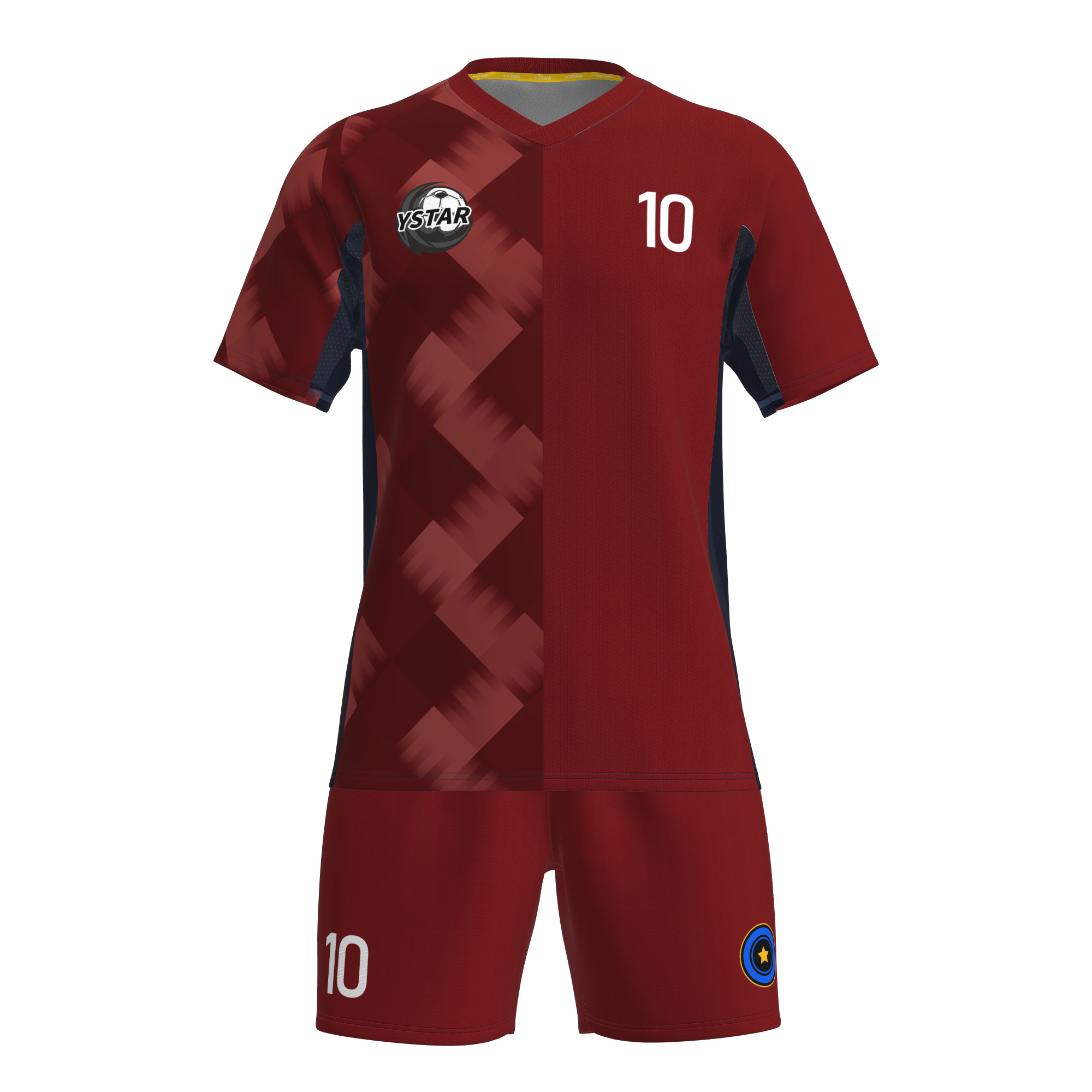
Understanding what to include in a sportswear tech pack can help businesses prepare for production with greater confidence and reduce avoidable delays.
A sportswear tech pack is a technical document that explains how a garment should be developed and manufactured. It converts a design concept into a set of instructions that product developers, pattern makers, sample teams, and production personnel can follow.
Unlike a simple design image, a tech pack provides practical details about the product. It may include technical sketches, measurement charts, fabric specifications, color references, logo placement, stitching details, labels, packaging requirements, and revision information.
For a custom sportswear manufacturer, this information helps clarify what the buyer expects before materials are prepared and production begins.
A tech pack is particularly useful when developing customized teamwear because a single order may contain multiple sizes, colors, player names, numbers, sponsor logos, and other design variations.
Without clear documentation, different teams may interpret the same design differently. A structured tech pack reduces this risk by creating a shared reference for the entire project.
The first section of a sportswear tech pack should identify the product and explain its intended use.
This information gives the manufacturer a clearer understanding of the garment's purpose and the requirements that influence material selection, fit, construction, and customization.
Important details include:
Product name and style number
Product category
Intended application or sport
Target customer group
Intended fit and overall appearance
Reference images or approved design concepts
Initial development date and revision number
For example, a custom soccer jersey designed for competitive team use may have different requirements from a casual sports shirt intended for everyday wear. Similarly, a basketball uniform may require a different silhouette and construction approach from a fitted training top.
Brands should communicate these differences early rather than assuming that the manufacturer will infer them from a visual reference.
For businesses developing multiple products, assigning a unique style number to each design also makes it easier to organize samples, production records, and future reorder requests.
Technical sketches help communicate the garment's structure more precisely than a marketing image alone.
A sportswear tech pack should ideally include clear front and back views. Depending on the design, side views, close-up details, or enlarged illustrations may also be necessary.
These drawings should identify important construction features, including:
Collar and neckline shape
Sleeve style and length
Hem design
Panel placement and color blocking
Pocket configuration, if applicable
Seam positions
Decorative elements and trims
Any special construction requirements
For custom soccer jerseys, technical sketches can show the placement of contrasting panels, sleeve graphics, collar details, and sponsor logos. For basketball uniforms, they may clarify armhole shapes, neckline proportions, side panels, and decorative edging.
The purpose is to remove ambiguity before sampling begins.
If a design includes an unusual cut, asymmetrical graphics, or a specific panel arrangement, a close-up illustration can help the development team understand the requirement without relying on lengthy written explanations.
A custom sportswear manufacturer can then review the design details and identify questions that should be resolved before a sample is produced.
Fabric selection directly affects comfort, appearance, durability, and product performance. It also influences manufacturing decisions such as cutting, sewing, printing, and finishing.
The tech pack should specify the intended fabric as clearly as possible.
Relevant information may include:
Fiber composition
Fabric weight or GSM
Knit or woven construction
Texture and surface finish
Stretch and recovery requirements
Breathability or moisture-management expectations
Color requirements
Special treatments or functional finishes, if required
For sportswear applications, lightweight polyester fabrics and breathable mesh are common options, but the best material depends on the intended product and performance requirements.
A soccer jersey intended for active play may prioritize lightweight comfort and moisture management. A training garment may require greater stretch, while a jacket may need a different fabric weight and construction.
Brands should avoid using vague descriptions such as "premium fabric" or "high-quality material" as the only specifications. These phrases do not provide enough technical information for consistent manufacturing.
If the buyer already has a preferred material, a fabric reference or approved swatch can help communicate the target. If the material has not been finalized, the tech pack can identify the required performance characteristics and leave room for the manufacturer to propose suitable options.
The final fabric selection should be confirmed before bulk production begins.
Color accuracy is especially important for branded sportswear and team uniforms. A garment's colors may need to match a club identity, brand guideline, sponsor requirement, or existing product collection.
A tech pack should identify the required colors and explain how they are to be applied to the garment.
Depending on the project, this may include:
Main garment color
Secondary and accent colors
Panel color combinations
Collar and sleeve colors
Logo and graphic colors
Approved color references
Artwork files and revision details
Where applicable, brands can provide Pantone references or other agreed color standards. Digital screen colors alone should not be treated as a definitive physical color specification because screen settings and display technologies can change how colors appear.
Artwork should also be supplied in a suitable format for the selected production method. The manufacturer should confirm whether the supplied files are sufficient for printing, embroidery, sublimation, or another decoration process.
For custom teamwear, consistent color application helps preserve visual identity across jerseys, shorts, and related garments.
Before production, buyers should review the relevant sample or approved color reference and confirm any acceptable variations.
Customization is a defining feature of many sportswear projects. Brand logos, club emblems, sponsor graphics, player names, and numbers must be positioned accurately and reproduced consistently.
A tech pack should clearly document each customized element rather than simply stating that the garment requires a logo.
Useful details include:
Logo artwork and file version
Logo dimensions
Placement measurements
Distance from seams or garment edges
Player name and number positions
Font style and number design
Sponsor logo locations
Decoration method, where agreed
Any required visual or durability checks
For example, a custom soccer jersey may include a club badge on the chest, a sponsor logo on the front, a player number on the back, and additional graphics on the sleeves. Each element should have a clearly identified position and approved design.
The same principle applies to basketball uniforms and other personalized teamwear.
The tech pack should also clarify whether names and numbers are fixed across the order or customized for individual garments. If every player requires different details, the buyer should provide a separate, clearly organized personalization list.
Before bulk production, all artwork and customization details should be reviewed and approved. This helps prevent spelling mistakes, incorrect numbering, inconsistent logo sizes, and unnecessary rework.
Sizing is one of the most important parts of a sportswear tech pack because it directly affects fit and customer satisfaction.
A complete size specification should identify the available sizes and provide the relevant garment measurements for each size.
Depending on the product, measurement points may include:
Chest width
Body length
Shoulder width
Sleeve length
Waist width
Hip width
Inseam or outseam
Collar or armhole measurements
Not every measurement applies to every garment. The tech pack should include the dimensions needed to define the specific product.
It is also important to distinguish between body measurements and garment measurements. A garment measurement describes the finished product, while a body measurement describes the person wearing it. Confusing these two types of measurements can create fitting problems.
For a custom sportswear manufacturer, a clear measurement chart provides a reference for pattern development, sample evaluation, and production inspection.
Brands should also define acceptable measurement tolerances where necessary. These tolerances help both parties understand which variations are acceptable and which require correction.
If a product will be offered in adult, youth, or different fit categories, each size range should be documented clearly rather than relying on a single generic chart.
The way a garment is assembled influences its appearance, durability, and suitability for its intended use.
A sportswear tech pack should identify any construction requirements that are important to the product's design or performance.
These may include:
Seam type and location
Stitching requirements
Hem construction
Reinforcement at selected stress points
Binding and edging details
Thread color
Elastic components
Special finishing requirements
For example, a team jersey may require a particular seam arrangement to achieve the intended appearance, while a sports jacket may include more complex panels, cuffs, or closures.
The required level of detail depends on the garment. Standard construction features may be confirmed during development, while unusual or performance-critical details should be documented explicitly.
Brands should discuss specialized requirements with the manufacturer before approving the sample. If a construction method affects cost, production time, or garment performance, that impact should also be clarified early.
Documenting the agreed construction helps maintain consistency between the sample and the final production run.
Labels and packaging are easy to overlook during product development, yet they contribute to the final customer experience.
For private-label sportswear brands, these details are especially important because they help establish a consistent brand presentation.
The tech pack should specify the required branding and packaging components, where applicable.
These may include:
Main brand labels
Size labels
Care and composition labels
Hangtags
Printed branding
Individual garment bags
Folding requirements
Carton markings
Packaging quantities and configurations
Brands should also confirm any applicable labeling requirements for their target markets. Required information can vary by destination, product composition, and local regulations, so the details should be verified before production.
For wholesale and teamwear orders, packaging specifications can also influence warehouse handling and distribution. For example, buyers may require garments to be grouped by size, packed individually, or organized according to team or player information.
Providing these instructions in the tech pack or a linked packaging specification helps prevent avoidable errors during the final production stage.
A tech pack should explain how the product will be evaluated before bulk production.
Sampling gives buyers and manufacturers an opportunity to check whether the proposed materials, construction, fit, colors, and customization details meet the agreed requirements.
The approval process should identify:
Which sample or samples are required
What needs to be reviewed
Who is responsible for approval
Which changes must be completed before production
How approved revisions will be recorded
Whether any specific tests are required
Depending on the garment and intended use, relevant evaluations may include colorfastness, dimensional stability after washing, print durability, seam strength, or other agreed performance checks.
Not every product requires the same testing program. Testing should be selected according to the fabric, decoration method, customer requirements, and applicable standards.
If a sample is revised, the latest approved version should be clearly identified. This prevents outdated designs or specifications from being used during production.
For brands working with an OEM or private-label manufacturer, written sample approval is a practical way to reduce uncertainty and establish a clear quality reference.
A product tech pack primarily describes how a garment should be made, but it should work alongside the purchase order and production schedule.
Before manufacturing starts, the buyer should confirm the commercial and logistical details that affect production planning.
These may include:
Total order quantity
Quantity by color and size
Product variants
Personalized garment lists
Required delivery date
Packaging quantities
Approved production specifications
Sample and bulk production milestones
For teamwear, the size breakdown may be particularly complex because each team can have different requirements. A separate order sheet can help manage quantities and personalization details without overcrowding the core tech pack.
For larger orders, clear documentation also helps the manufacturer coordinate material planning, production scheduling, and final inspection.
The buyer should confirm which document controls each type of information. For example, the tech pack may define the garment's measurements and artwork, while the purchase order defines quantities and commercial terms.
Keeping these documents aligned helps prevent conflicting instructions during production.
One of the most overlooked parts of technical documentation is revision control.
Sportswear designs frequently change during development. A buyer may adjust a logo, change a fabric, modify a collar, revise the measurement chart, or update the color combination after reviewing a sample.
If these changes are communicated informally without updating the relevant documents, the manufacturer may accidentally work from an outdated specification.
A reliable tech pack should include:
Style number or product identifier
Revision number
Issue or revision date
Description of significant changes
Current approved artwork
Current measurement chart
Sample approval status
When a change is made, the buyer and manufacturer should confirm which version is authoritative and whether the change affects cost, production time, or the approved sample.
This is particularly important for repeat orders and multi-product collections. Clear revision control helps prevent an older design from being reproduced unintentionally.
For a growing sportswear brand, organized technical documentation becomes increasingly valuable as the number of styles, colorways, and customization options increases.
Even experienced buyers can overlook details when preparing a new sportswear project. Identifying common mistakes early can help make product development more efficient.
Using only a reference image
A photograph may communicate the general appearance of a garment, but it rarely defines every measurement, construction detail, and customization requirement.
Providing incomplete measurement information
Missing measurement points or unclear size grading can lead to inconsistent fit and additional sample revisions.
Using vague fabric descriptions
Terms such as "soft," "premium," or "performance fabric" should be supported by more specific material requirements where possible.
Submitting low-resolution or outdated artwork
Unclear files and conflicting artwork versions can result in incorrect logo reproduction or unnecessary production delays.
Ignoring personalization details
Orders containing individual player names and numbers require accurate lists and clear procedures for checking each garment.
Changing specifications after sample approval
Late changes may affect materials, production methods, costs, and delivery schedules. Any revision should be documented and approved before it is implemented.
Failing to define quality expectations
Without clear inspection criteria and agreed tolerances, the buyer and manufacturer may have different interpretations of acceptable product quality.
Avoiding these problems helps brands communicate more effectively with their manufacturing partners and move from design development to bulk production with fewer uncertainties.
YSTAR specializes in custom sportswear and teamwear, including soccer uniforms and other product categories such as basketball uniforms and baseball jackets. Its website describes a customization process that includes design development, sample confirmation, and production.
For brands, distributors, sports clubs, and private-label businesses, preparing a detailed tech pack can make this process more efficient by giving the development team a clear starting point.
Before discussing a project with a custom sportswear manufacturer, buyers can prepare their reference designs, preferred materials, color requirements, logo files, size charts, and expected order quantities.
If some details have not yet been finalized, it is helpful to identify them clearly. The manufacturer can then discuss suitable options and confirm which decisions need to be made before sample development or bulk production.
For customized teamwear, particular attention should be given to artwork approval, player personalization, measurement consistency, and the size breakdown for the order.
Once the product specifications have been agreed upon, the approved tech pack and sample can provide a shared reference for subsequent production stages.
YSTAR's custom sportswear services give businesses a starting point for discussing these requirements and developing products aligned with their intended market and brand identity.
Before submitting a tech pack to a manufacturer, review the following items:
Product description and style number
Front and back technical sketches
Fabric composition and performance requirements
Color references and approved artwork
Logo placement and decoration instructions
Size chart and garment measurements
Stitching and construction details
Labels and packaging specifications
Sample approval and testing requirements
Order quantities and size breakdown
Delivery expectations
Revision number and approval status
Not every project requires the same level of documentation. A straightforward team jersey may need a relatively simple tech pack, while a complex multi-style collection may require more detailed specifications and supporting documents.
The objective is to provide enough accurate information for the manufacturer to understand the product, identify potential issues, and produce garments that meet the agreed requirements.
A well-prepared sportswear tech pack helps bridge the gap between product design and manufacturing. By documenting materials, measurements, construction, customization, quality expectations, and revision history, brands can reduce misunderstandings and establish a more reliable production process.
For businesses developing custom soccer jerseys, basketball uniforms, or private-label sportswear collections, these details are particularly important when moving from samples to bulk production.
Choosing a suitable custom sportswear manufacturer is only one part of a successful project. Clear technical documentation, timely approvals, and consistent communication are equally important for achieving the intended result.
If you are preparing a new sportswear collection, organize your design files and product requirements before production discussions begin. A clear tech pack gives your manufacturing partner a stronger foundation for developing samples, confirming specifications, and producing garments that reflect your brand's expectations.
Launching a custom sportswear collection involves more than choosing a design and selecting a fabric. Before manufacturing begins, brands need to communicate detailed product requirements to ensure that the finished garments match their expectations....
READ MORE
For sportswear brands, distributors, sports clubs, and private-label businesses, approving a sample is one of the most important steps before placing a bulk order. A garment may look attractive in a product image, but its actual fabric, fit, stitchin...
READ MORE
For football clubs, choosing the right custom football shirts involves more than selecting a color and adding a crest. Clubs need uniforms that represent their identity, provide comfort during training and matches, and fit within the available budget...
READ MORE