
Ordering custom sportswear involves more than choosing a design and negotiating a unit price. For sportswear brands, distributors, sports clubs, and online retailers, three factors can significantly affect the success of a production order: minimum order quantity (MOQ), sample approval, and production lead time. Understanding these requirements before placing an order helps businesses control inventory, manage cash flow, coordinate product launches, and avoid delivery problems.
Working with the right custom sportswear manufacturer can make these decisions easier. A reliable manufacturing partner should explain order requirements clearly, confirm the sampling process, establish realistic production schedules, and communicate the conditions that may affect delivery.
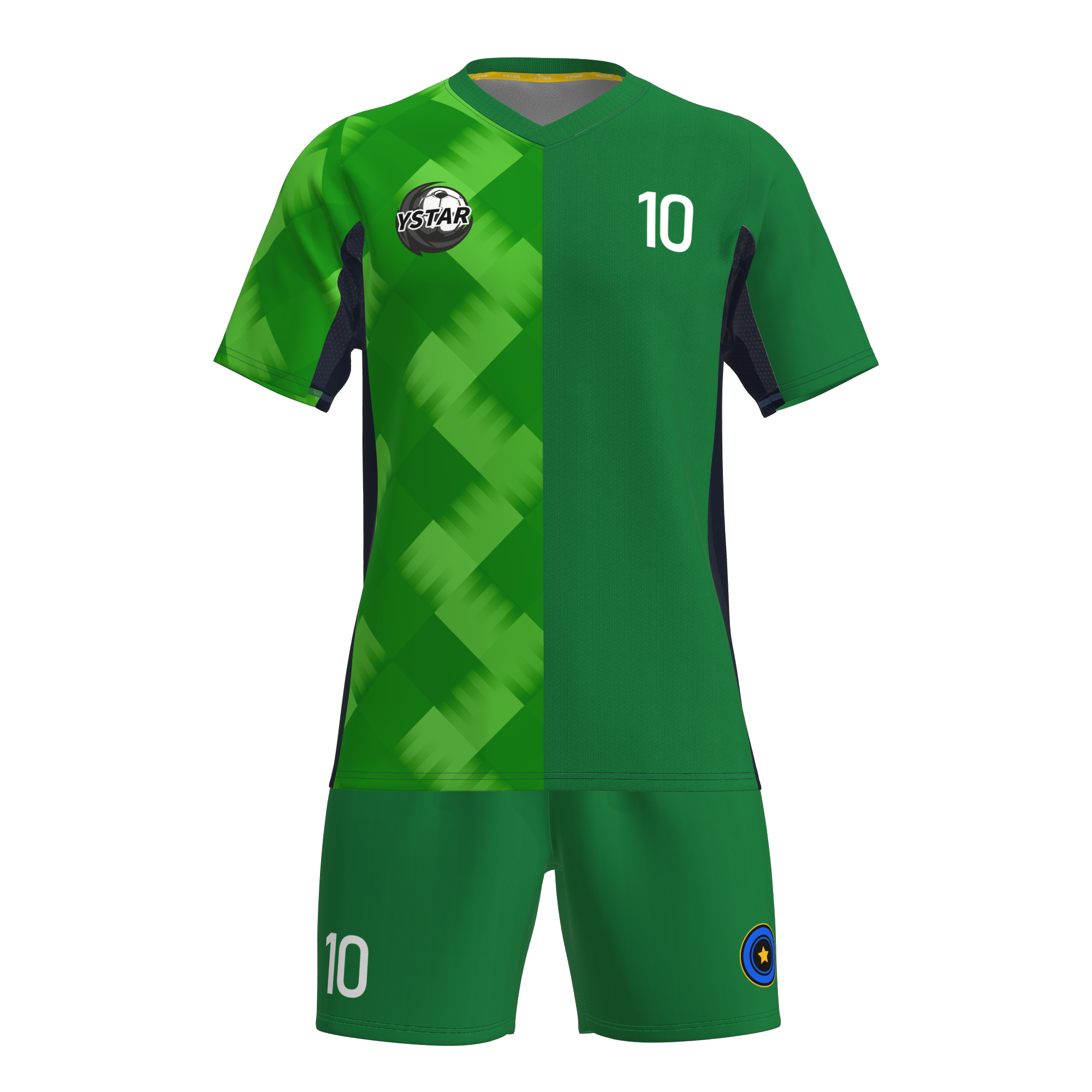
Whether you are developing custom football kits, basketball uniforms, or a new teamwear collection, this guide explains what to confirm before committing to bulk production.
Minimum order quantity, commonly known as MOQ, refers to the smallest quantity a manufacturer is willing to produce for a particular order or product configuration. However, MOQ is not always a single fixed number. It may vary according to garment type, fabric, customization method, color, and production requirements.
For example, a manufacturer may have different minimum quantities for a standard polyester training shirt and a fully customized football jersey with multiple design elements. Special fabrics, custom labels, or unique packaging may also have separate minimum requirements.
Before requesting a quotation, buyers should clarify exactly how the MOQ is calculated.
What is the minimum quantity per style?
Is there a separate MOQ for each color or design?
Can different sizes be combined within one order?
Can several teams or product designs be included in a single production order?
Are custom fabrics or special trims subject to separate minimum quantities?
Does the MOQ change when adding player names, numbers, or sponsor logos?
Can a smaller trial order be arranged before a larger production commitment?
These questions are especially important for businesses offering multiple product variations. An order of 500 garments across five designs may be treated differently from an order of 500 garments in one design.
A lower MOQ can help new brands test market demand without committing too much capital to inventory. It may also suit smaller clubs, academies, and online retailers that need limited quantities.
A larger order may offer a lower unit price because setup and production costs can be distributed across more garments. However, ordering more than the business can realistically sell or use may create storage costs, excess inventory, and cash-flow pressure.
The objective is to find a quantity that balances manufacturing efficiency with actual demand.
For new product launches, consider forecast sales, existing inventory, expected reorder frequency, and the number of sizes and color variations you intend to offer. For teamwear programs, calculate the total quantity across players, coaches, replacement garments, and any additional stock required.
One of the most common sources of confusion in custom sportswear purchasing is the difference between total order quantity and the quantity required for each individual variation.
A manufacturer may accept a combined order quantity while still requiring a minimum quantity for each garment style, fabric, or design. This distinction can influence the feasibility of a multi-product order.
Consider a sportswear retailer planning to order football jerseys in three different designs. Even if the combined quantity reaches the manufacturer's overall MOQ, each design may have its own production requirements.
The same issue can arise when a buyer requests several fabric types, custom colors, or different branding treatments.
Before confirming the order, prepare a product breakdown containing:
Garment style and design reference
Quantity required for each style
Color options and quantities
Fabric specifications
Size distribution
Logo and personalization requirements
Label and packaging variations
Ask the manufacturer to confirm which items can share the same MOQ and which must be treated as separate production batches.
This step can help buyers simplify product combinations, reduce unnecessary production complexity, and avoid discovering additional minimum requirements after the order has been planned.
A sample allows buyers to evaluate the actual product before committing to a full production run. Digital mockups and design previews are useful for reviewing artwork, but they cannot fully demonstrate the feel, fit, construction, and finishing quality of a physical garment.
For custom sportswear brands and teamwear buyers, sampling is an important stage in turning a design concept into an approved production specification.
A sample can help verify:
Fabric texture, weight, and breathability
Garment measurements and fit
Color appearance and graphic placement
Logo, player name, and number accuracy
Stitching, seams, and finishing
Collar, cuffs, and other construction details
Label placement and packaging presentation
For example, a football jersey may look correct in a digital preview but feel different from what the buyer expects when produced in the selected fabric. A basketball uniform may require adjustments to armhole dimensions, body length, or fit before the design is ready for bulk production.
Sampling provides an opportunity to identify these issues before they affect a larger quantity of garments.
Sample costs vary according to the product and the manufacturer's policies. Before placing a sample request, clarify whether the fee covers design development, pattern preparation, garment production, printing, and other customization work.
You should also ask:
How long will sample development take?
How many sample revisions are included, if any?
Are sample shipping costs charged separately?
Can sample fees be credited toward a bulk order?
Will the bulk order follow the approved sample and specifications?
What happens if the sample requires significant changes?
These details should be confirmed in writing so that both parties understand the process before development begins.
Not every sample serves the same purpose. Depending on the project, a manufacturer may use different sample stages to check design, fit, materials, or production readiness.
A development sample helps evaluate the initial design and garment construction. It may be used to check the overall appearance, basic measurements, fabric choice, and customization approach.
At this stage, some details may still need adjustment.
A fit sample helps buyers assess garment dimensions and proportions. It is especially useful when a collection includes adult and youth sizing, different fit preferences, or a specific measurement standard.
For bulk teamwear orders, a clear size chart and approved measurements help reduce the risk of receiving garments that do not fit the intended users.
A pre-production sample is intended to represent the agreed product before bulk manufacturing begins. Depending on the supplier's process, it may incorporate the approved fabric, colors, printing, labels, and construction details.
Buyers should confirm whether a final pre-production sample is available and whether bulk production will follow the approved specifications.
A size set consists of samples in multiple sizes. It can help buyers evaluate how the design and fit change across the intended size range.
For large teamwear programs or retail collections, reviewing a size set can be particularly useful when fit consistency is important.
Not every order requires every sample type. The appropriate process depends on product complexity, order quantity, available development resources, and the buyer's quality requirements.
Sample approval should be treated as a formal production milestone, not simply an informal confirmation that the garment looks acceptable.
Before approving a sample, review the product against the original specifications. If any changes are required, document them clearly and confirm whether they affect the price or production schedule.
A practical approval checklist includes:
Correct garment style and design
Approved fabric composition and weight
Accurate measurements and tolerances
Correct colors and artwork placement
Verified logos, names, and numbers
Acceptable stitching and finishing
Correct labels and packaging
Written confirmation of any approved deviations
Keep the final sample, artwork files, measurement chart, and product specification sheet as reference documents. If a discrepancy arises during bulk production, these records help both parties identify the agreed requirements.
For personalized sportswear, carefully check spelling, number allocation, logo positioning, and size information. Errors in individual player details can be difficult to correct once garments have been produced.
Most importantly, clarify whether any change made after sample approval requires a new sample, additional development time, or a revised quotation.
Production lead time refers to the time required to manufacture an order. However, buyers should not assume that it includes every stage between the first inquiry and final delivery.
The complete order timeline may involve several separate stages:
Design discussion and specification confirmation
Sample development and shipping
Sample review and approval
Material procurement and preparation
Bulk production
Quality inspection and packing
Dispatch and international transportation
Customs clearance and final delivery, where applicable
Some stages may overlap, while others must be completed in sequence. The actual schedule depends on the product, quantity, customization complexity, material availability, and the manufacturer's production plan.
When a supplier quotes a production lead time of several weeks, ask when that period begins and which stages it covers.
For example, does the quoted lead time start after the deposit is received, after materials are confirmed, or after the final sample is approved? Does it end when the goods leave the factory or when they arrive at the destination?
These distinctions are essential when coordinating a product launch, tournament, school season, or retail campaign.
Even with a confirmed schedule, certain factors can affect the completion date. Identifying them early allows buyers and manufacturers to develop a more realistic plan.
If the buyer takes longer than expected to review samples or requests multiple rounds of changes, bulk production may start later than originally planned.
To minimize delays, appoint a decision-maker, consolidate feedback, and provide complete revisions rather than sending separate instructions over several days.
Specialized fabrics, custom colors, labels, trims, and packaging may require additional preparation or procurement time. Materials that are not readily available can affect the start of bulk production.
Ask the manufacturer to identify any materials that need to be sourced specifically for the order and confirm their expected availability.
Changes to artwork, measurements, fabric, or construction after production preparation has begun may require additional work. Depending on the change, this can affect both the cost and the delivery date.
Finalize the main product specifications before approving the bulk order. If changes become necessary, request a revised timeline rather than assuming the original schedule will remain unchanged.
During busy manufacturing periods, factory capacity may be committed to multiple orders. Lead times can vary with seasonal demand and the complexity of the production schedule.
For time-sensitive projects, confirm the expected production window early and ask how the supplier will communicate any changes.
If finished garments fail to meet agreed specifications, additional inspection or corrective work may be required. Clear quality standards and an effective production-control process help reduce this risk.
Buyers should confirm how inspection is handled and how nonconforming products will be addressed before production begins.
For purchasing decisions, production lead time is only one part of the schedule. The more useful measure is the total time required to receive the finished goods.
A basic planning formula is:
Total order timeline = Specification and sample development + Approval time + Material preparation + Bulk production + Shipping and delivery
This formula is a planning framework rather than a fixed timetable. Some stages may overlap, and the actual schedule must be confirmed with the manufacturer and logistics provider.
Consider a hypothetical order requiring two weeks for sampling and approval, one week for material preparation, four weeks for bulk production, and three weeks for international transportation. If all stages occur sequentially, the total would be approximately ten weeks.
This example excludes any additional time needed for revisions, unexpected material delays, customs issues, or other disruptions. Actual lead times vary by product, supplier, order quantity, destination, and shipping method.
When working toward a fixed event date, include a reasonable buffer rather than scheduling delivery for the last possible day.
For example, a sports club ordering custom football kits for a tournament should allow time to inspect the delivered garments and resolve any quantity or personalization issues before the event.
MOQ, sampling, and lead times are closely connected. Treating them as separate purchasing decisions can lead to unnecessary costs or an unrealistic production schedule.
A small order with several unique designs may require more setup work per garment. A large order may improve production efficiency but require more material preparation and a longer manufacturing window. Multiple sample revisions may also delay bulk production, even when the final order quantity meets the manufacturer's MOQ.
The best purchasing approach is to evaluate all three factors together.
| Purchasing decision | Potential benefit | What to watch for |
|---|---|---|
| Lower MOQ | Less inventory commitment | Higher unit price or fewer customization options |
| Larger order quantity | Potentially lower unit cost | Excess stock and longer production requirements |
| Additional sampling | More opportunities to verify the product | Extra development cost and approval time |
| Early sample approval | Earlier start to bulk production | Rushed approval can leave specifications unresolved |
| Simplified design variations | Easier order coordination | Ensure the product still meets branding requirements |
| Early order placement | More scheduling flexibility | Confirm that the supplier can reserve the required production window |
A good manufacturer should help explain the trade-offs without pressuring the buyer to select a quantity or schedule that does not fit the business requirements.
Before placing a bulk custom sportswear order, prepare a written confirmation covering the commercial and production requirements.
Confirm the minimum quantity per style, color, or material where applicable. Request pricing for relevant quantity tiers and check whether customization, packaging, and sampling are included.
Confirm sample fees, development stages, revision terms, approval responsibilities, and whether the final sample will serve as the reference for bulk production.
Confirm the estimated start date, production lead time, expected completion date, and any milestones that depend on material availability or buyer approval.
Document the approved fabric, measurements, construction, printing, personalization, and acceptable quality standards.
Clarify the shipping method, delivery destination, trade terms, responsibility for freight and customs charges, and whether the quoted schedule includes transit time.
Identify the contact person responsible for updates. Establish how design changes, quantity adjustments, delays, and quality concerns will be communicated and approved.
Written confirmation reduces misunderstandings and provides a common reference throughout the order process.
The right manufacturing partner should be able to explain its production requirements, support sample evaluation, and provide a realistic schedule based on the specific order.
For a new sportswear brand, the priority may be manageable minimum quantities and a clear product-development process. For an established distributor or online retailer, repeat-order consistency, production planning, and dependable communication may be more important. Sports clubs and academies may prioritize accurate sizing, player personalization, and delivery before the start of a season.
YSTAR Sportswear supports custom sportswear development and production, including football kits and basketball uniforms. Its customization process covers design development, sample preparation, order confirmation, production, and shipment.
When contacting a manufacturer, provide as much relevant information as possible, including:
Product category and design concept
Estimated order quantity
Number of styles and color variations
Fabric and fit preferences
Size distribution
Logo, name, and number requirements
Labeling and packaging needs
Sample expectations
Required delivery date and destination
With these details, the manufacturer can better assess the project's requirements and clarify applicable MOQ, sampling arrangements, pricing, and lead times.
MOQ, sampling, and lead times are fundamental considerations when ordering custom sportswear. MOQ determines whether the order fits your purchasing strategy, sampling helps verify the product before bulk production, and lead-time planning ensures the finished garments can arrive when they are needed.
Before committing to an order, confirm minimum quantities for each relevant variation, understand the sample approval process, and distinguish factory production time from the full delivery timeline. Document product specifications, costs, quality expectations, and shipping responsibilities in writing.
By coordinating these decisions early and working with a suitable custom sportswear manufacturer, businesses can reduce purchasing uncertainty, manage inventory more effectively, and build a more reliable supply process for custom teamwear and sportswear collections.
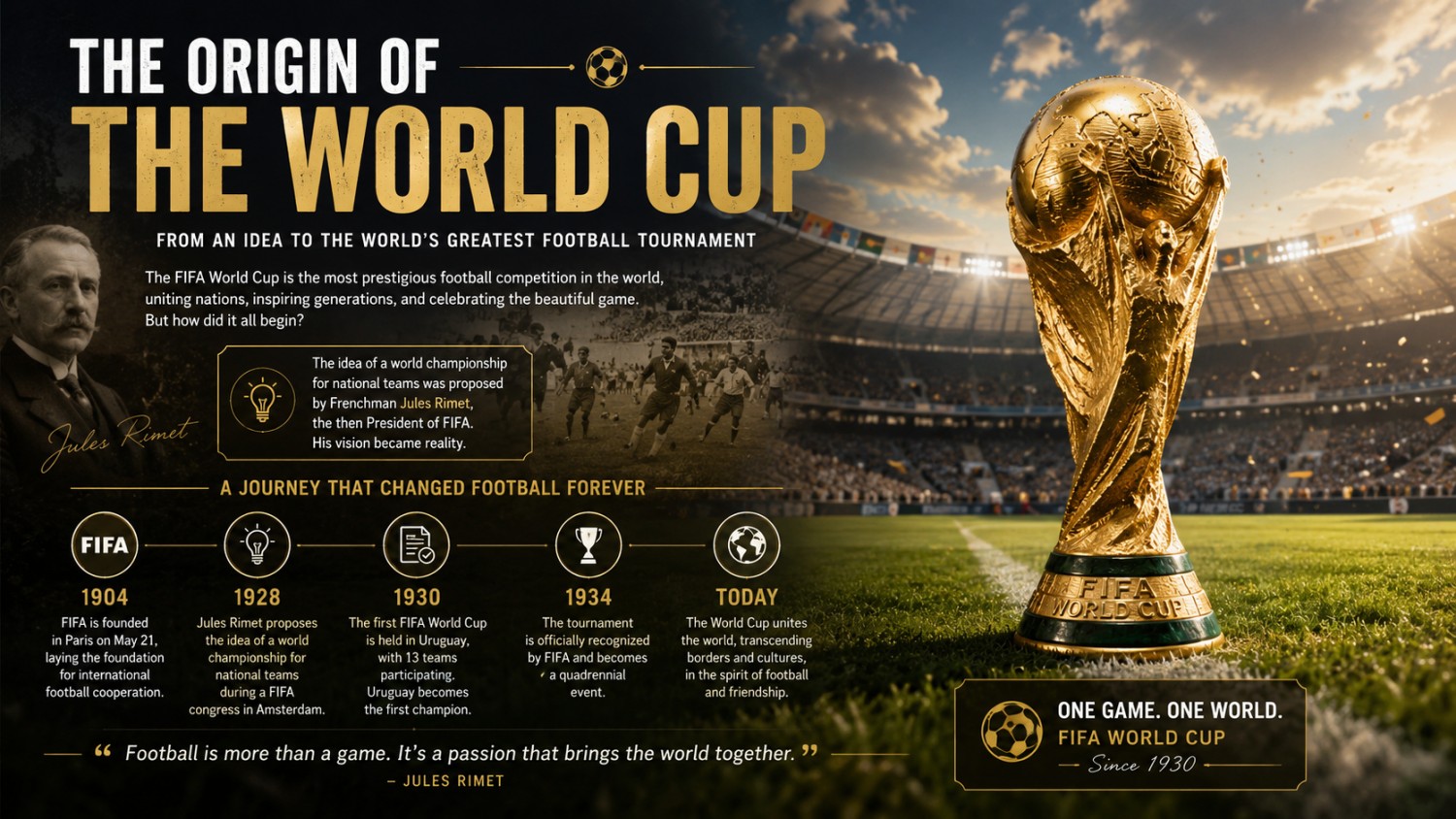
Discover FIFA World Cup origins, tournament mechanics and what championship glory means for professional football players.
READ MORE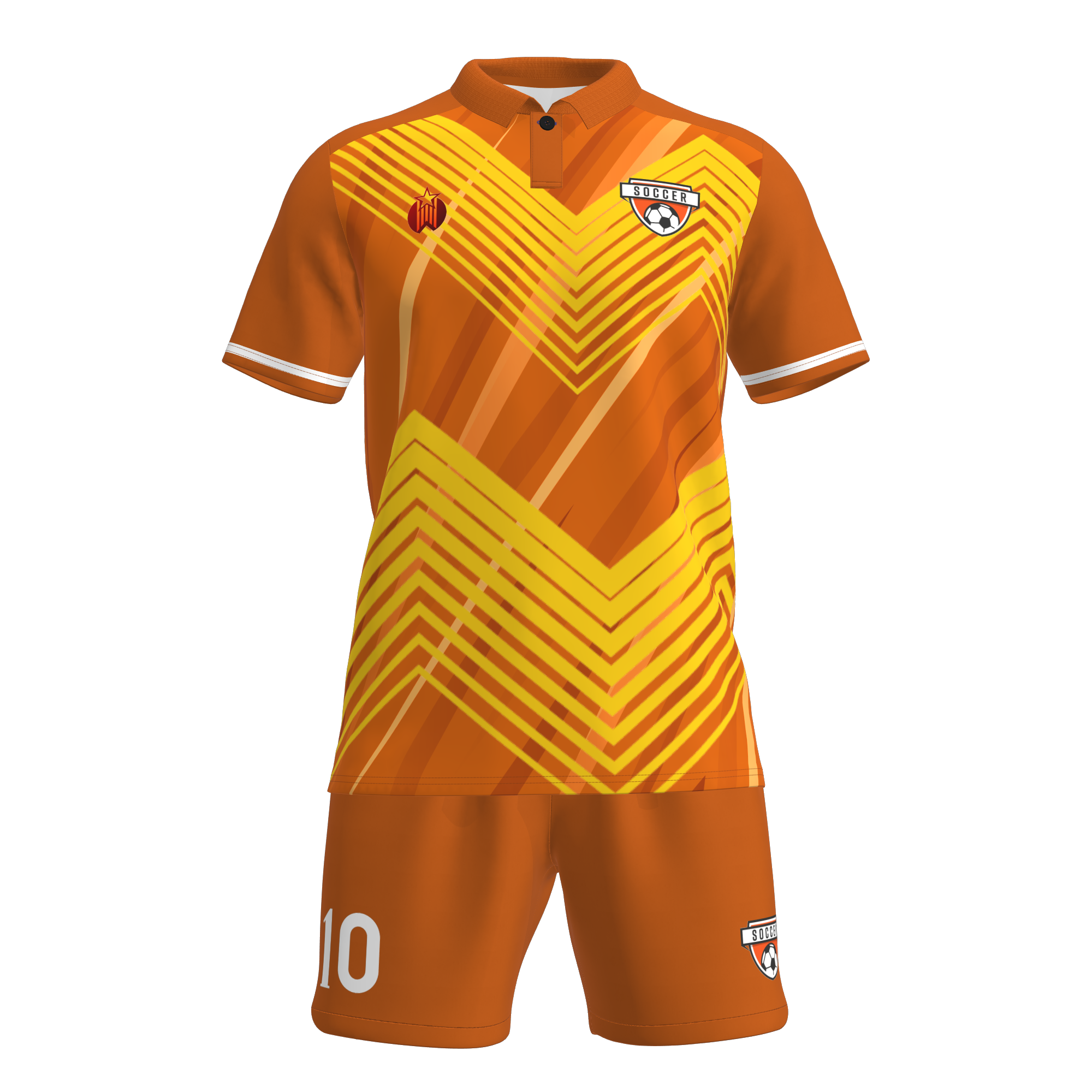
Choosing the right sportswear manufacturer is an important decision for any brand looking to build a competitive position in the teamwear and athletic apparel market. Beyond production capacity and unit pricing, brand owners need a manufacturing part...
READ MORE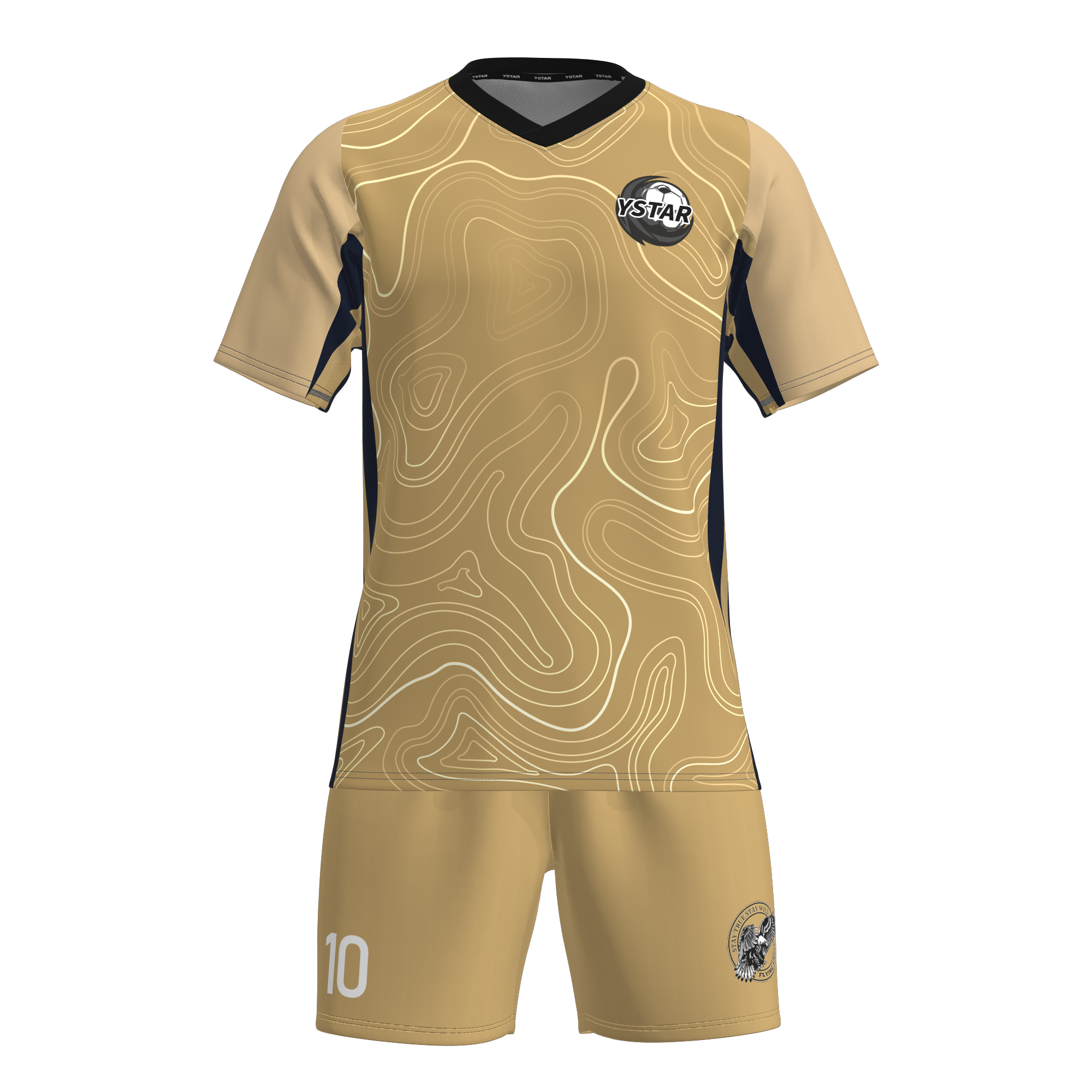
Designing custom soccer jerseys involves more than choosing colors and adding a team logo. For soccer clubs, youth academies, and organized leagues, a successful uniform design should reflect the team's identity, support player comfort, accommodate d...
READ MORE