
Designing custom soccer jerseys involves more than choosing colors and adding a team logo. For soccer clubs, youth academies, and organized leagues, a successful uniform design should reflect the team's identity, support player comfort, accommodate different age groups, and meet practical requirements for competition and bulk production. Every detail, from fabric selection and logo placement to sizing and player personalization, contributes to the final result.
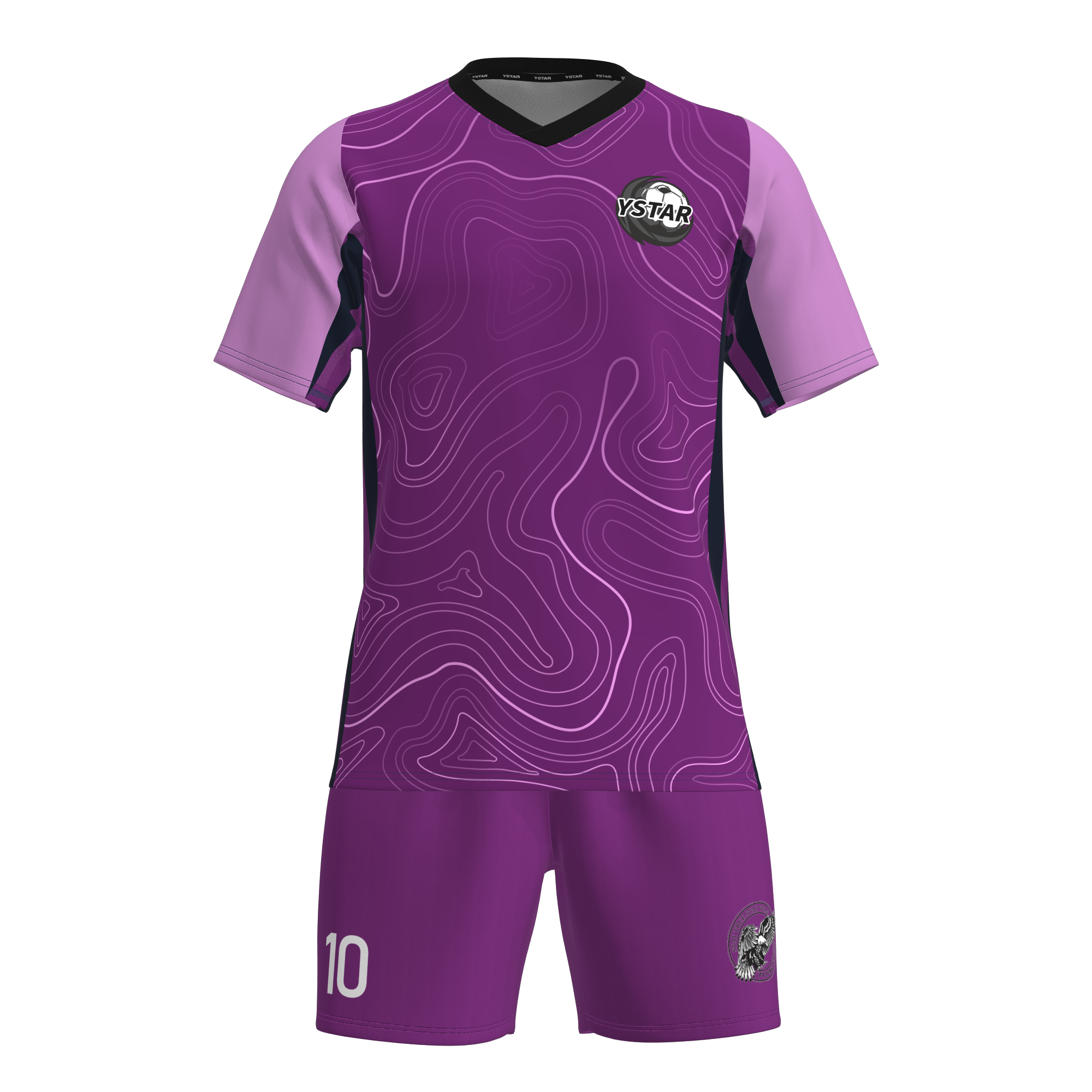
For organizations ordering teamwear, the design process also affects production efficiency, budget management, and consistency across multiple teams. Working with an experienced custom sportswear manufacturer can help transform an initial concept into a coordinated set of uniforms that meets both visual and functional requirements.
This guide explains how to plan and design custom soccer jerseys for clubs, academies, and leagues, from defining the visual direction to preparing production-ready specifications.
Before selecting colors or creating artwork, determine how the jerseys will be used. Different organizations have different requirements, and understanding the intended application helps guide the entire design process.
Soccer clubs may prioritize a distinctive identity that reflects their history, community, sponsors, and competitive ambitions. Their designs often need to work across home kits, away kits, goalkeeper jerseys, and training apparel.
Youth academies typically need designs that can be adapted across several age groups. A consistent visual identity is important, but the uniforms must also accommodate children's sizes, growing rosters, and regular training sessions.
Leagues and tournament organizers may need standardized designs for multiple participating teams. Their priorities can include clear team differentiation, consistent branding, sponsor visibility, and practical ordering across different sizes and quantities.
Sports distributors and teamwear retailers may require flexible design options that can be adapted for different customers, regions, and competition levels.
Defining the intended use at the beginning makes it easier to establish the required garment types, quantities, personalization options, and budget. It also helps prevent unnecessary design changes after production planning has started.
Color is one of the most recognizable elements of a soccer uniform. A carefully selected color palette can make a team easier to identify and help create a consistent visual identity across matches, training sessions, and promotional materials.
When designing custom soccer jerseys, start with the club's established colors if they already exist. Historical colors can reinforce tradition and create continuity between current players, former members, and supporters. For a new academy or league, the color palette can instead be developed around the organization's name, logo, location, or overall visual direction.
A practical design usually benefits from a clear hierarchy:
Primary color: The main color that defines the jersey and creates immediate recognition.
Secondary color: An additional color used for sleeves, side panels, collars, or graphic details.
Accent color: A contrasting shade used selectively for numbers, trim, or small design elements.
Contrast should be considered from the beginning. Player numbers, names, and sponsor logos need to remain readable against the jersey background. If the design includes complex patterns or multiple colors, check that important details are still easy to distinguish from a normal viewing distance.
Clubs should also consider how home and away jerseys will work together. A light-colored home design and a darker away design, for example, may provide useful visual separation, depending on competition rules and the team's existing identity.
Before approving the final palette, confirm the color references with the manufacturer. Screen previews, printed artwork, and finished fabrics may appear different under varying lighting conditions. Approved physical samples or clearly documented color standards can help reduce unwanted variations in bulk production.
Club crests, academy logos, league marks, and sponsor graphics often carry significant commercial and organizational value. Their placement should be planned as part of the overall design rather than added as an afterthought.
The club crest is commonly positioned on the chest, where it remains visible during matches and team photographs. Sponsor logos may be placed on the front, sleeves, or back, depending on the organization's requirements and applicable competition regulations.
For a balanced design, consider the following elements:
Club crest: Keep the emblem clear and proportionate to the garment.
Main sponsor: Allocate sufficient space while preserving the visual balance of the front panel.
Sleeve branding: Confirm whether the design needs sponsor marks, league logos, or other identifiers.
Back details: Reserve space for player names, numbers, and any permitted sponsor graphics.
Additional graphics: Use patterns and decorative elements without making the jersey appear overcrowded.
The number and size of sponsor logos can influence the overall appearance of the garment. Too many competing elements may reduce readability and weaken the visual impact of the club crest. A simple hierarchy helps each component serve its purpose.
Before submitting artwork, prepare high-resolution logo files and confirm the required colors, dimensions, and placement. Vector files are often useful for scalable graphics, although the manufacturer's accepted file formats should be confirmed in advance.
For leagues and academies managing several teams, it is also helpful to establish a shared branding template. Teams can retain a common visual identity while using different accent colors or approved layouts for differentiation.
The overall silhouette and construction influence both appearance and comfort. A competitive club, a youth academy, and a recreational league may prefer different jersey styles depending on their players, activities, and budget.
Common design decisions include:
Collar style: Crew necks provide a straightforward athletic appearance, while other collar constructions can create a more traditional or distinctive look.
Sleeve design: Standard short sleeves are common for match jerseys, while sleeve panels or contrasting cuffs can add visual detail.
Body silhouette: A slim competition fit may suit teams seeking a streamlined appearance, whereas a standard or relaxed fit may be more appropriate for players who prefer additional room.
Panel construction: Contrasting side panels, shoulder details, and shaped inserts can introduce visual interest without requiring an overly complicated graphic pattern.
Matching apparel: Coordinating shorts, socks, warm-up tops, and training shirts can help create a complete teamwear collection.
Style choices should remain practical. A design that looks attractive in a digital mockup still needs to work when players run, turn, jump, and stretch. Fit, seam placement, fabric flexibility, and the intended use of the garment should therefore be reviewed together.
When ordering for different age groups, clubs should confirm that the selected design can be adapted appropriately to youth and adult sizing. The objective is a consistent appearance across the team without assuming that one garment proportion will suit every player.
Fabric selection is one of the most important technical decisions when developing custom soccer jerseys. The material affects airflow, moisture management, garment weight, flexibility, durability, and how the finished design looks and feels.
Quick-drying polyester is widely used in sportswear because it can support lightweight construction and efficient moisture management. Breathable mesh fabrics may be suitable for designs that prioritize airflow, while other fabric blends and specialty materials can provide different textures, finishes, or performance characteristics.
The best option depends on the climate, playing frequency, target price, and expected service life of the uniform.
When comparing fabric options, evaluate:
Breathability: Whether the fabric construction supports airflow during physical activity.
Moisture management: How the material handles perspiration and drying.
Weight: Whether the garment feels suitable for the team's playing conditions.
Stretch and movement: Whether the fabric supports the movements required during soccer.
Color and print compatibility: Whether the chosen material is suitable for the intended graphics and decoration method.
Durability and care: How the material and decoration are expected to perform through regular use and washing.
Clubs purchasing large quantities should request fabric specifications and, where practical, physical samples before approving production. Comparing samples makes it easier to assess texture, thickness, stretch, and overall suitability rather than relying exclusively on product descriptions.
If recycled materials or specialty fabric treatments are important to the organization, ask the manufacturer to confirm their availability, specifications, and any supporting documentation. Do not assume that all fabrics offer identical performance characteristics.
Player names and numbers are essential details for many match jerseys. They also affect readability, production planning, and the accuracy of the final order.
Before finalizing the design, determine the number format, font style, name placement, letter case, and color. The graphics should be visually consistent with the rest of the jersey while remaining easy to read.
For competitive teams, check the relevant league or tournament rules governing number size, contrast, placement, and permitted graphics. Requirements can vary, so a design that is suitable for one competition may need adjustments for another.
For youth academies, a clear personalization system is particularly useful when several squads share a common design. Each age group can use the same jersey template while receiving its own player names and number assignments.
To reduce errors, clubs should prepare a confirmed roster before production. The list should include the correct spelling of names, assigned numbers, garment sizes, and any special requirements. A designated person should verify the final list before the order is approved.
For larger orders, ask the manufacturer how personalization will be checked and whether changes can be accommodated after production begins. Late roster changes may affect costs or delivery schedules, so deadlines should be agreed upon in advance.
Although the same design principles apply across different organizations, each group has its own priorities. A flexible design system can maintain visual consistency while accommodating different operational needs.
Clubs often need a distinctive identity that can be used season after season. The design should reflect the club's established colors and crest while leaving room for sponsor changes, new player names, and future replacement orders.
It is useful to maintain approved artwork and product specifications so future orders can follow the same visual standards. If the club plans to introduce home, away, and goalkeeper kits, those designs should be coordinated from the beginning.
Academies may need uniforms for multiple age groups, from beginner programs to competitive development squads. A shared design template can make the organization look unified while allowing different colors or details to identify individual teams.
Size availability is especially important. Confirm the manufacturer's youth sizing chart, the available size range, and how the design will be scaled across different garment sizes. Academy managers should also plan for roster growth and replacement garments.
League organizers may coordinate apparel for many teams at once. Their design priorities can include clear differentiation between teams, consistent branding, sponsor requirements, and manageable ordering procedures.
A standardized specification sheet can help every participating team submit the necessary information in the same format. Organizers should confirm team colors, logo files, size breakdowns, personalization details, delivery deadlines, and any competition-specific requirements before consolidating orders.
For all three groups, the central principle is the same: establish clear design rules, then adapt them to the people and activities the uniforms are intended to serve.
A professional design brief turns creative ideas into instructions that a manufacturer can use. It reduces ambiguity and helps ensure that the approved concept is carried through to the finished product.
Before requesting a quotation for custom soccer jerseys, prepare the following information:
| Specification | Details to Confirm |
|---|---|
| Organization | Club, academy, league, or distributor name |
| Product type | Match jerseys, goalkeeper jerseys, training shirts, or complete kits |
| Design concept | Reference images, sketches, or digital mockups |
| Colors | Primary, secondary, and accent colors with references |
| Branding | Club crest, sponsor logos, league marks, and placement |
| Personalization | Player names, numbers, fonts, and colors |
| Fabric | Preferred material, weight, and performance requirements |
| Fit and sizes | Youth or adult range, sizing standard, and quantity by size |
| Decoration | Printing or other suitable logo application methods |
| Order quantity | Total units and breakdown by team or product |
| Delivery | Required arrival date, destination, and packaging expectations |
The more complete the brief, the easier it is for the supplier to assess feasibility and provide an accurate quotation.
It is also important to distinguish between required features and optional preferences. A club may consider its crest, official colors, and player numbers essential, while treating a special collar or additional graphic panel as optional. This distinction can help the manufacturer suggest alternatives if the original design exceeds the target budget.
A digital mockup is useful for evaluating colors, graphics, and overall layout, but it cannot fully represent the finished garment. Sample review provides an opportunity to assess construction, fit, fabric, and decoration before committing to a larger quantity.
When reviewing a sample, check:
Whether the colors and graphic placement match the approved design.
Whether the crest, sponsor logos, names, and numbers are correct.
Whether the garment measurements match the agreed size chart.
Whether the fabric weight, texture, and flexibility meet expectations.
Whether seams, collars, sleeves, and hems are finished consistently.
Whether the garment remains comfortable during typical soccer movements.
For organizations purchasing uniforms for several squads, it may be useful to check samples across representative sizes rather than relying on one garment alone.
Any required changes should be documented clearly and confirmed with the manufacturer. The final approved design, artwork, fabric details, size specifications, and personalization rules should then serve as the reference for bulk production.
This step helps minimize discrepancies between the sample and the delivered order, although final quality still depends on the manufacturer's production controls and inspection procedures.
Once the design is approved, clubs and organizations need to coordinate quantities, production schedules, and delivery arrangements. Poor planning can create avoidable problems, particularly when uniforms are needed for a fixed tournament date or the start of a new season.
Begin by collecting size requirements from every team. Consolidate the information into a single order sheet that records product type, size, quantity, player name, number, and any special instructions.
Next, confirm the manufacturer's minimum order requirements, sample arrangements, production lead time, payment terms, shipping method, and delivery schedule. Ask how changes are handled after order confirmation and whether replacement garments can be ordered later.
For recurring orders, retain the approved specifications. Useful records include:
Final artwork and logo files.
Fabric and color references.
Approved garment measurements.
Decoration and personalization requirements.
Quantity and size breakdowns.
Sample approval notes.
Packaging and delivery instructions.
These records can help simplify future orders and maintain a consistent appearance across seasons. However, buyers should reconfirm fabric availability, production details, and delivery timelines for each new order rather than assuming every specification will remain unchanged indefinitely.
The right manufacturing partner should understand both the creative and operational aspects of custom teamwear. Clubs need a supplier that can interpret artwork accurately, explain material options, support sample evaluation, and coordinate bulk production according to agreed specifications.
When evaluating a soccer jersey manufacturer, consider its experience with custom designs, product range, sizing options, communication process, quality checks, and ability to manage the required quantities. Ask for clarification whenever a product specification, decoration method, or production timeline is unclear.
It is also worth reviewing the complete quotation. A lower unit price may not include the same fabric, customization, packaging, or shipping arrangements as another supplier's offer. Comparing the full scope of supply provides a more reliable basis for making a purchasing decision.
For organizations that expect to reorder, discuss how approved designs and specifications can be retained for future production. Consistency between orders is particularly valuable for established clubs, growing academies, and leagues that coordinate uniforms across multiple teams.
For clubs, academies, and sports organizations planning customized teamwear, YSTAR offers a process that covers design development, sampling, and bulk production. Its product focus includes custom soccer uniforms and football kits, with customization options that can be discussed according to the project's requirements.
Buyers can prepare their logo, design concept, preferred colors, fabric requirements, size breakdown, and personalization details to help define the project. The design can then be reviewed and finalized before the order moves forward according to the agreed production and shipment arrangements.
For a first order, providing a clear brief is especially helpful. Include the number of teams, approximate quantity, intended use, required delivery date, and any league-specific design requirements. If the organization already has uniforms, reference images or existing specifications can help communicate its expectations.
Designing custom soccer jerseys for clubs, academies, and leagues requires a balance of identity, performance, personalization, and production planning. A strong design begins with a clear purpose, uses colors and branding consistently, selects suitable fabrics and fits, and accommodates the needs of every player.
Equally important is the process behind the design. A complete specification sheet, accurate roster information, careful sample review, and clear communication with the manufacturer can help reduce errors and improve consistency across bulk orders.
By treating jersey design as a coordinated project rather than a simple artwork exercise, organizations can develop teamwear that represents their identity, supports their players, and remains practical to manage as their teams grow.
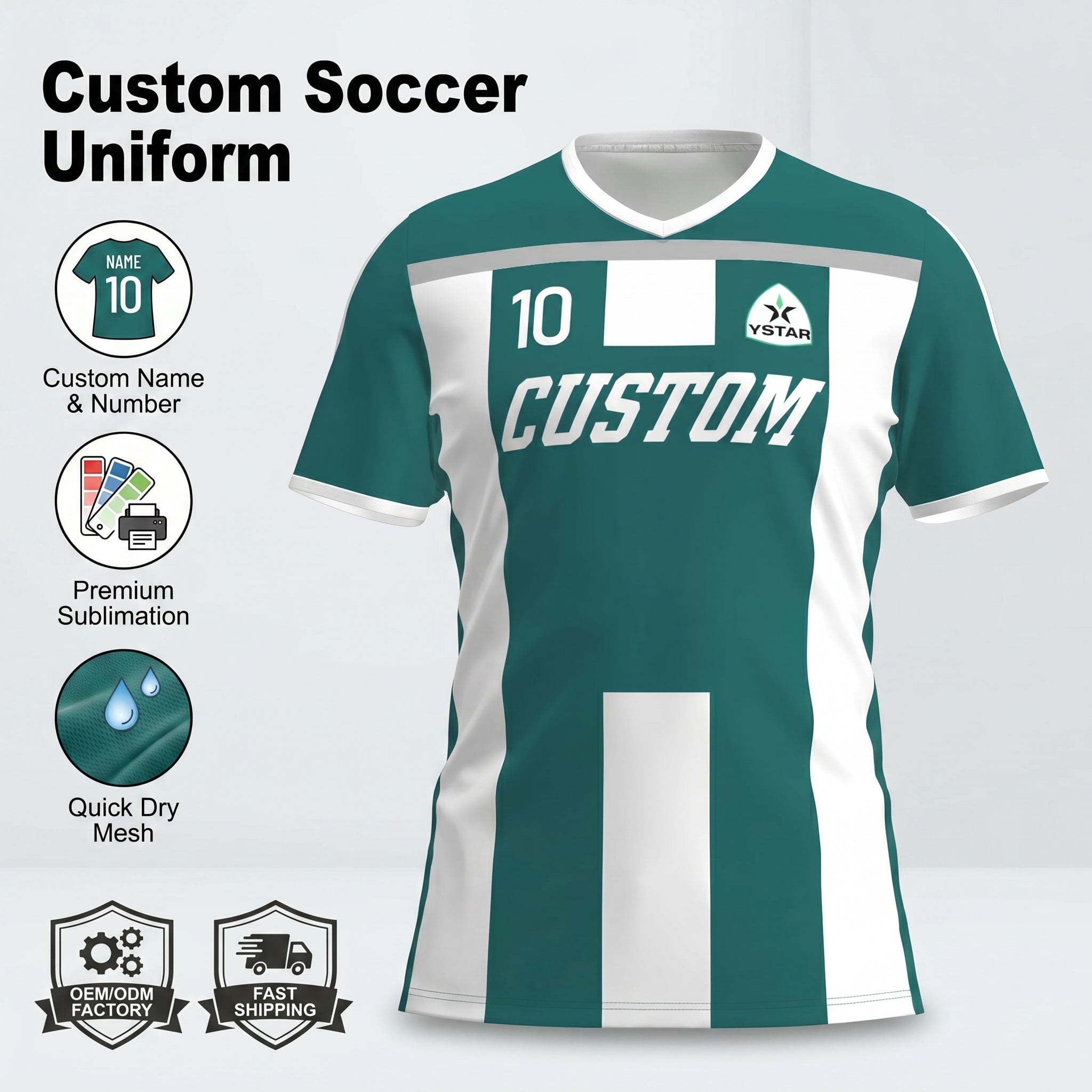
Turning a sportswear design concept into a market-ready product requires more than an attractive appearance. Brands must consider fabric performance, garment construction, sizing, customization methods, production costs, quality control, and delivery...
READ MORE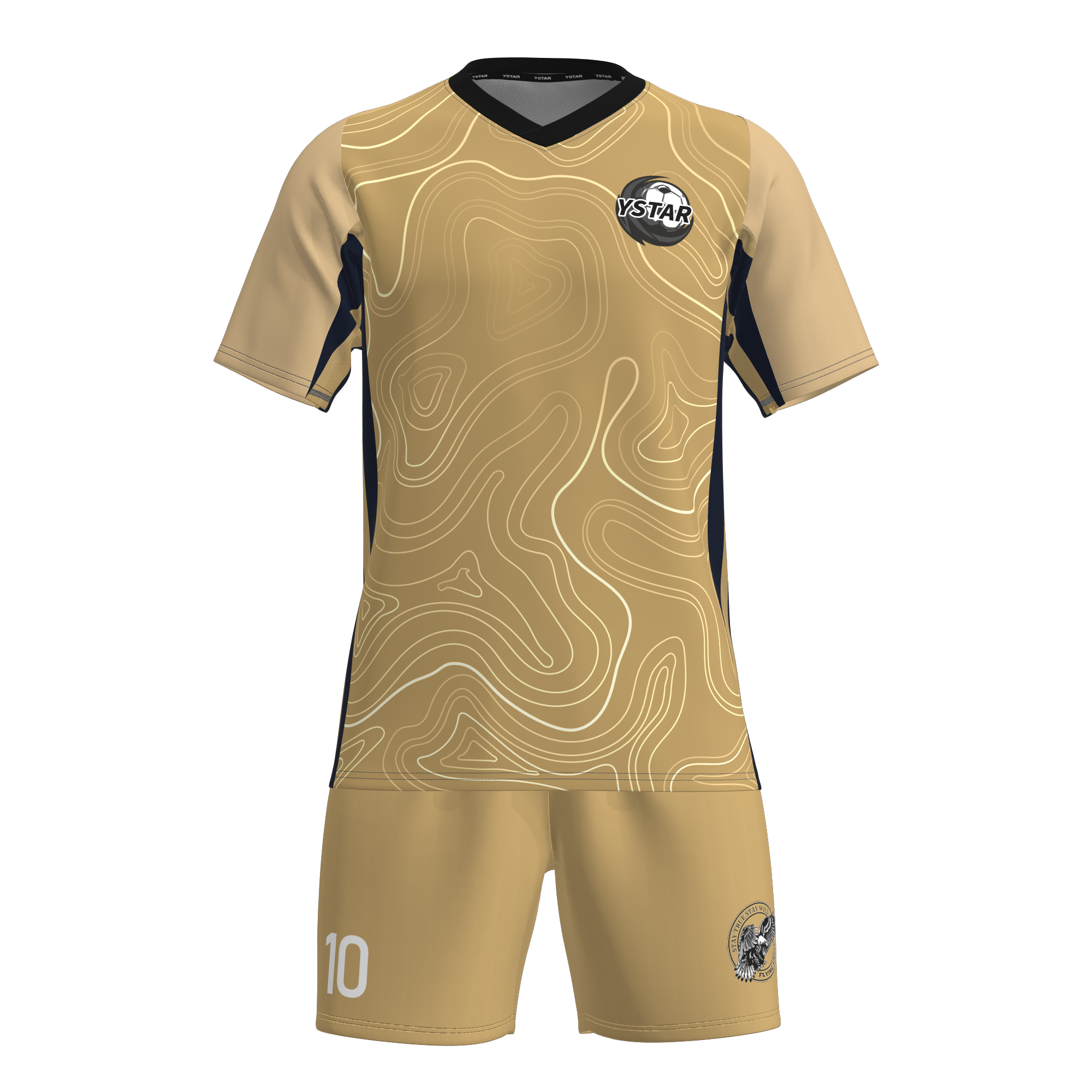
Designing custom soccer jerseys involves more than choosing colors and adding a team logo. For soccer clubs, youth academies, and organized leagues, a successful uniform design should reflect the team's identity, support player comfort, accommodate d...
READ MORE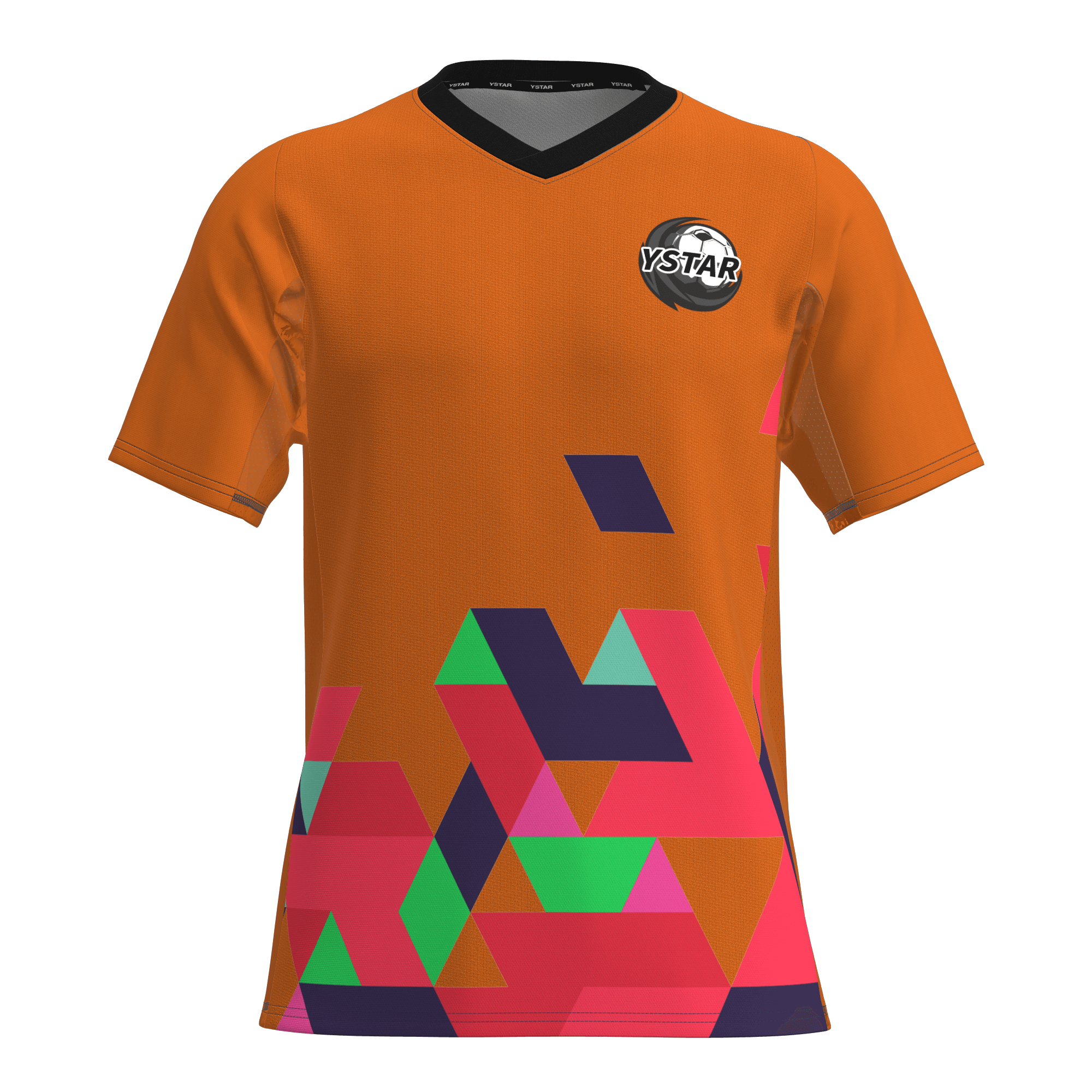
A football jersey needs to do more than represent a team's colors. During training, players need apparel that supports repeated movement, regular washing, and comfortable wear across long sessions. On match day, the same garment must deliver a profes...
READ MORE