
For online sports stores, choosing the right custom sportswear manufacturer is a strategic business decision that affects product quality, brand differentiation, inventory management, customer satisfaction, and long-term profitability. As competition in the sportswear market increases, retailers need more than a supplier that can produce garments. They need a manufacturing partner capable of translating product concepts into market-ready apparel, maintaining consistent specifications, and supporting the changing needs of an online business.
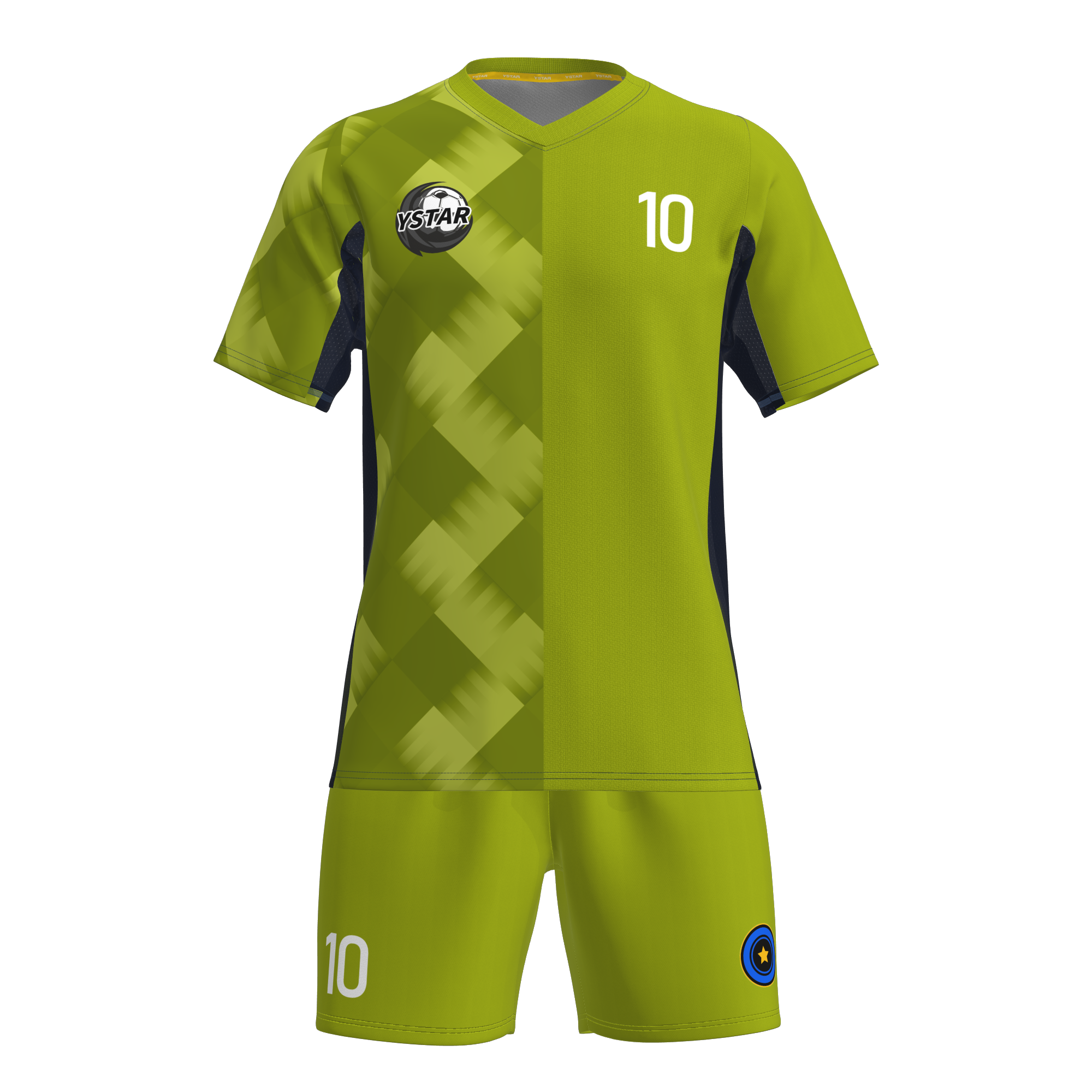
Whether an online store sells team uniforms, training apparel, basketball jerseys, football kits, or private-label sportswear, its manufacturing requirements extend beyond the first order. Reliable sizing, accurate customization, clear communication, flexible product development, and repeatable quality all contribute to a stronger customer experience.
For retailers planning to launch a new sportswear collection or expand an existing product range, understanding these requirements makes it easier to evaluate potential manufacturing partners and build a sustainable supply chain.
Online sports stores often compete with retailers selling similar product categories. Offering products that look and feel different can help a business establish a clearer market position and avoid relying entirely on price competition.
A capable custom sportswear manufacturer should be able to support customization according to the retailer's target market, design concept, and product specifications.
Common customization requirements include:
Custom colors, patterns, and graphic layouts
Brand logos and private-label labels
Player names and numbers for teamwear
Different fits and size ranges
Fabric selection and garment construction options
Custom packaging and labeling, where available
For example, a store serving amateur football clubs may prioritize personalized football kits and coordinated teamwear, while a retailer targeting basketball enthusiasts may focus on custom basketball jerseys, matching shorts, and distinctive graphic designs.
The manufacturer should help clarify which customization options are practical for the selected fabric, construction method, order quantity, and target price. This allows the retailer to develop a differentiated product without introducing unnecessary production complexity.
Before production, both parties should confirm artwork, dimensions, placement, color references, and other specifications in a documented format. Clear approval procedures reduce the risk of receiving products that differ from the original design concept.
For online retailers, product quality directly influences reviews, returns, repeat purchases, and brand reputation. Customers expect the garment they receive to match the product description and images on the store's website.
A manufacturing partner should therefore be able to maintain consistency across samples, initial bulk orders, and subsequent replenishment orders.
Important quality considerations include fabric performance, stitching, measurements, print quality, color consistency, and finishing details. The relevant checks will depend on the type of sportswear being produced.
For performance apparel, fabric weight, breathability, stretch, and moisture-management characteristics may be important. For customized team uniforms, accurate player names, numbers, logo placement, and color reproduction may be equally critical.
A structured quality-control process generally includes several checkpoints.
Before production: Confirm the approved sample, material specifications, size chart, artwork, quantities, and personalization details.
During production: Check representative garments for construction quality, measurements, printing accuracy, and visible defects.
Before shipment: Verify the finished products against the agreed specifications, including size distribution, customization details, and packaging requirements.
Retailers should also ask how the manufacturer records approved specifications for future orders. Retaining reference samples and production details helps reduce unwanted variations when popular products need to be replenished.
Consistency is especially important for stores that build long-term sales around a small number of core products. Customers should be able to order the same style again without encountering unexpected differences in fit, color, or finish.
A digital mockup can communicate the intended appearance of a garment, but it cannot fully demonstrate fit, fabric feel, construction quality, or printing performance. Sampling is therefore an essential step when developing a custom sportswear collection.
Online stores should look for a manufacturer with a clear process for reviewing designs, selecting materials, preparing samples, collecting feedback, and confirming final specifications.
During sample evaluation, retailers should assess:
Whether the garment matches the approved design
Whether the fabric suits the intended sport and target customer
Whether measurements correspond to the proposed size chart
Whether seams, hems, and finishing meet expectations
Whether prints, logos, and labels are correctly positioned
Whether the product remains suitable after care testing, where appropriate
If changes are needed, the retailer should document them clearly. Revisions may involve fabric weight, garment length, neckline shape, graphic scale, color, or label placement.
It is also useful to distinguish between design approval and production approval. A design may look correct while still requiring adjustments to the garment's fit or construction.
A well-managed sampling process reduces uncertainty before the store commits to a larger order. It also helps the retailer create accurate product descriptions, photography, and size guidance based on the approved garment.
Online sports stores need product ranges that reflect the needs of their target customers. A manufacturer that understands different sportswear categories can help retailers evaluate suitable product options and organize a coherent collection.
Depending on the store's positioning, a collection may include:
Custom football shirts and team uniforms
Basketball jerseys and matching shorts
Training tops and performance apparel
Youth and adult teamwear
Coordinated sportswear sets
Private-label products for a specific market segment
The goal is not necessarily to offer the largest possible catalog. A more effective approach is to develop a focused assortment that fits the store's audience, pricing strategy, and sales channels.
For example, a retailer serving sports clubs may prioritize team uniforms, size inclusivity, personalization, and repeat orders. A private-label brand may focus on distinctive designs, consistent fabric specifications, and recognizable branding across several product categories.
Retailers should assess whether the manufacturer can support their current requirements and the likely next stage of product development. This includes confirming which products, materials, sizes, and customization options are actually available rather than assuming every option can be produced.
A focused product range makes inventory planning more manageable and helps the store communicate a clearer value proposition to customers.
Inventory decisions are particularly important for online retailers. Ordering too much can tie up working capital and increase the risk of unsold stock, while ordering too little may lead to missed sales when popular sizes or designs become unavailable.
A custom sportswear manufacturer should clearly explain its minimum order quantities, production requirements, lead times, and options for repeat orders.
Retailers should clarify several points before placing an order:
Minimum quantity per style, color, and design
Whether sizes can be combined within one order
Whether different team designs require separate production quantities
How sample orders are handled
How repeat orders are scheduled
Whether packaging and labeling can be customized
How changes to quantities or specifications affect the schedule
These details help retailers calculate their initial inventory commitment and plan future replenishment.
For stores launching a new product, it may be prudent to begin with a manageable range of styles and colorways. Demand can then be evaluated before the assortment is expanded. Where order quantities permit, standardized designs and shared fabric choices may also help simplify purchasing.
Retailers should not assume that a manufacturer can accommodate every low-volume or urgent request. It is better to establish realistic order conditions and lead times in advance than to rely on unconfirmed flexibility.
Sizing is one of the most important considerations for online apparel sales because customers cannot try on garments before purchasing. Inconsistent measurements or unclear size charts can lead to confusion, exchanges, and avoidable returns.
A manufacturing partner should provide usable garment measurements and help confirm the sizing standard appropriate for the target market.
Retailers should pay attention to chest width, body length, shoulder width, sleeve length, waist measurements, and other dimensions relevant to each product type. Youth and adult garments should be assessed separately, since proportions do not always scale uniformly across age groups.
The store should also distinguish between body measurements and finished garment measurements. A size chart must explain which type of measurement it uses so customers can interpret it correctly.
Before listing a product online, retailers should ensure that the published specifications match the approved sample and production measurements. Product descriptions should also explain the intended fit, such as athletic, standard, or relaxed, where applicable.
For custom teamwear, size collection should be organized before bulk production. A standardized form helps consolidate player sizes, names, and numbers while reducing errors caused by scattered messages or inconsistent spreadsheets.
Reliable sizing information supports both the manufacturing process and the customer experience after products are listed for sale.
For online sports stores building their own brands, customization extends beyond the garment's visible design. Labels, packaging, and consistent brand presentation can help create a more complete product experience.
Depending on the manufacturer's capabilities and the order requirements, private-label options may include brand labels, care labels, hangtags, size labels, and customized packaging.
Before confirming these details, retailers should provide accurate brand artwork, label dimensions, material preferences, placement instructions, and packaging requirements. They should also confirm whether the proposed options affect minimum order quantities, pricing, or production schedules.
Packaging should be practical for the store's fulfillment process. For example, individually packed garments with clear size identification may simplify sorting and distribution, particularly when an order contains several sizes or personalized team uniforms.
Retailers should also ensure that product labeling and descriptions meet the applicable requirements of their target markets. The specific obligations depend on the destination and product category, so they should be checked before the product is sold.
Consistent branding across garments, labels, and packaging can help an online store present a more professional collection and strengthen recognition over time.
The lowest manufacturing quotation does not always produce the best commercial result. Retailers need to understand the complete cost of bringing a product to market, including customization, sampling, packaging, transportation, and potential rework.
A custom sportswear manufacturer should provide a quotation based on clear specifications rather than an incomplete product description.
The main cost factors may include:
Fabric type, weight, and performance features
Pattern development and construction details
Printing coverage and design complexity
Logos, names, numbers, and private-label components
Sample development and revisions
Order quantity and number of product variations
Packaging and labeling
Shipping arrangements and other agreed charges
When comparing manufacturers, retailers should make sure that the quotations cover equivalent products and services. Differences in fabric specifications, decoration methods, inspection procedures, or packaging can make two headline prices difficult to compare directly.
Retailers should also consider the commercial impact of quality issues. A lower unit price may be outweighed by higher return costs, customer complaints, replacement shipments, or lost repeat business.
A more reliable evaluation considers unit cost alongside product consistency, communication, production planning, and the manufacturer's ability to meet agreed specifications.
Custom manufacturing involves multiple decisions, and small misunderstandings can have significant consequences. Incorrect artwork, outdated size charts, or incomplete personalization details may cause delays or require products to be remade.
Retailers should choose a partner with a clear communication process and defined approval points.
At a minimum, the process should cover design submission, specification confirmation, sampling, revision approval, order confirmation, production updates, inspection, and shipment arrangements.
A shared record of decisions is particularly valuable when an order includes multiple styles, colors, or team rosters. Both parties should be able to identify the latest approved artwork and specifications without relying on informal recollections.
Before starting production, retailers should confirm the expected schedule and identify which decisions must be finalized by specific dates. Late changes can affect materials, production sequencing, and delivery timing.
It is also important to understand what production updates the manufacturer can provide. Retailers should not assume that every supplier offers live tracking of manufacturing progress, but they can agree on practical milestones and communication frequency.
Clear communication helps reduce avoidable errors and allows the online store to plan product launches, stock availability, and customer service more confidently.
A supplier may be able to produce a small sample successfully but still need to demonstrate that it can maintain the required quality and schedule across larger quantities. Retailers should evaluate manufacturing capability in relation to their actual and anticipated order volumes.
Relevant questions include whether the manufacturer has experience with the required product category, how it manages quality checks, and whether it can retain production specifications for repeat orders.
For a growing online store, repeat-order reliability is particularly important. A product that sells well may need replenishment during a busy season, and differences between batches can affect customer expectations.
Retailers should confirm the expected lead time for both initial and repeat orders. They should also clarify how changes in fabric availability, design specifications, or order quantities may affect production.
If the store plans to expand into additional sportswear categories, it should establish which products the manufacturer can support directly and which would require a separate production arrangement.
The aim is to build a manufacturing relationship that matches the retailer's business model, rather than selecting a supplier based only on the first order.
A structured supplier evaluation helps online retailers identify potential issues before committing substantial inventory or launching a new collection.
Useful evaluation criteria include product experience, customization capabilities, sample quality, communication, quality-control procedures, order conditions, and repeat-order support.
Retailers can start with a clear product brief covering the target customer, intended use, material preferences, design requirements, size range, order quantity, and target delivery date. This gives prospective manufacturers a consistent basis for responding and preparing quotations.
After reviewing initial proposals, compare the samples and specifications against the same criteria. Ask follow-up questions whenever important details remain unclear.
It is also useful to document the agreed commercial terms, including payment arrangements, production schedules, packaging, shipping responsibilities, and procedures for handling nonconforming products.
No single factor should determine the decision. A suitable manufacturing partner is one whose capabilities and working process align with the retailer's product strategy, operational needs, and expectations for quality.
For online sports stores, choosing a custom sportswear manufacturer involves much more than finding a factory that can produce a particular garment. The right partner should support product differentiation, consistent quality, accurate sizing, practical customization, realistic order planning, and reliable communication.
These capabilities help retailers manage the challenges of selling apparel online, where customers depend heavily on product descriptions, size information, images, and consistent product quality. They also provide a stronger foundation for replenishment orders and long-term brand development.
YSTAR Sportswear supports sportswear design, sampling, and bulk manufacturing, with product categories including custom football uniforms and other teamwear. Online retailers and private-label businesses can discuss their product concepts, customization requirements, sizing plans, and production needs with the team to determine whether its capabilities fit their intended collection.
By establishing clear specifications and approval procedures from the beginning, online sports stores can make more informed sourcing decisions and build a more dependable supply chain for future growth.

In the competitive sportswear market, brands need more than attractive designs to build a successful product line. They must deliver consistent product quality, meet the expectations of different customer groups, manage production costs, and introduc...
READ MORE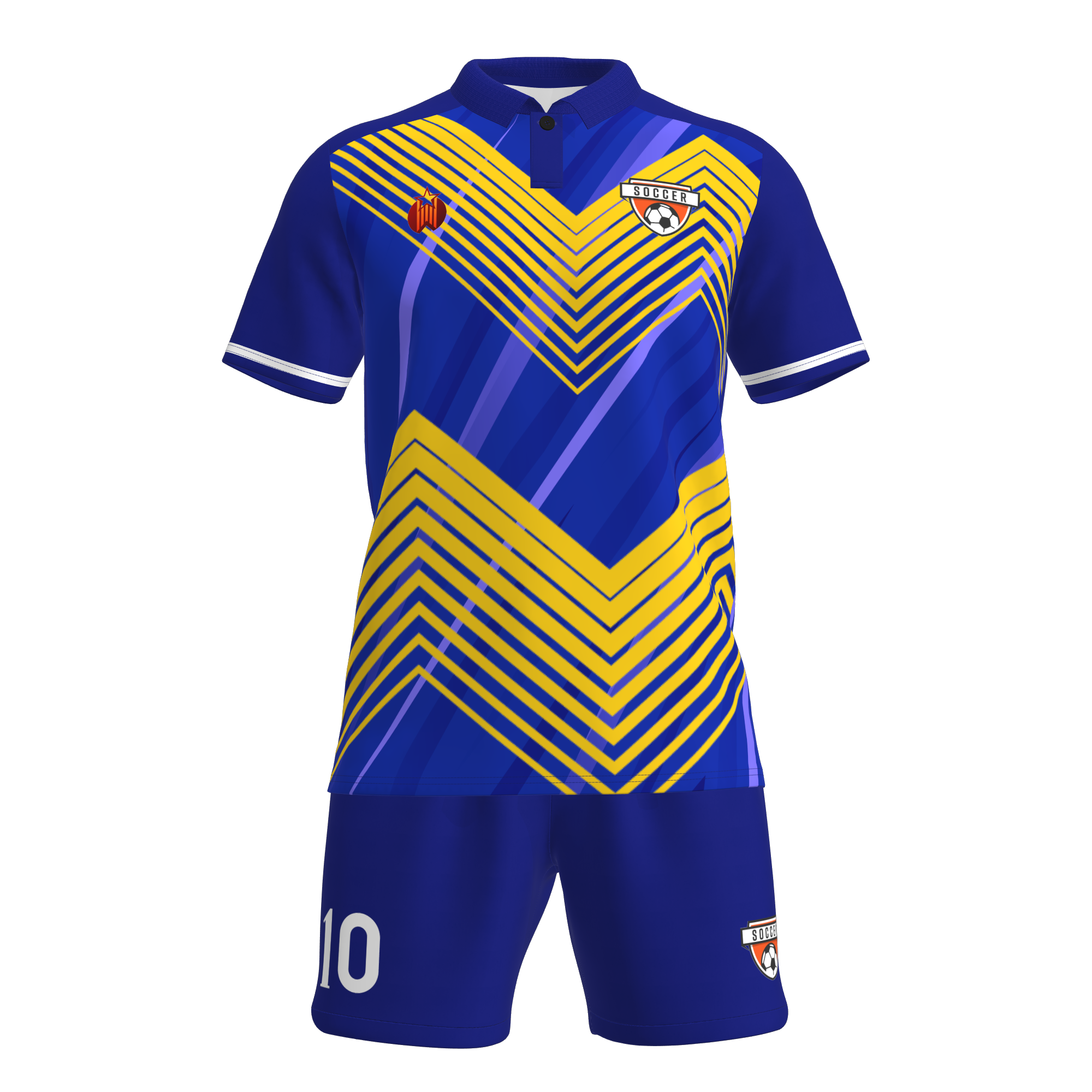
In the sportswear industry, a brand's reputation is built on more than attractive designs. Customers also expect consistent sizing, comfortable fabrics, accurate logos, durable construction, and reliable product quality. For sports clubs, sportswear ...
READ MORE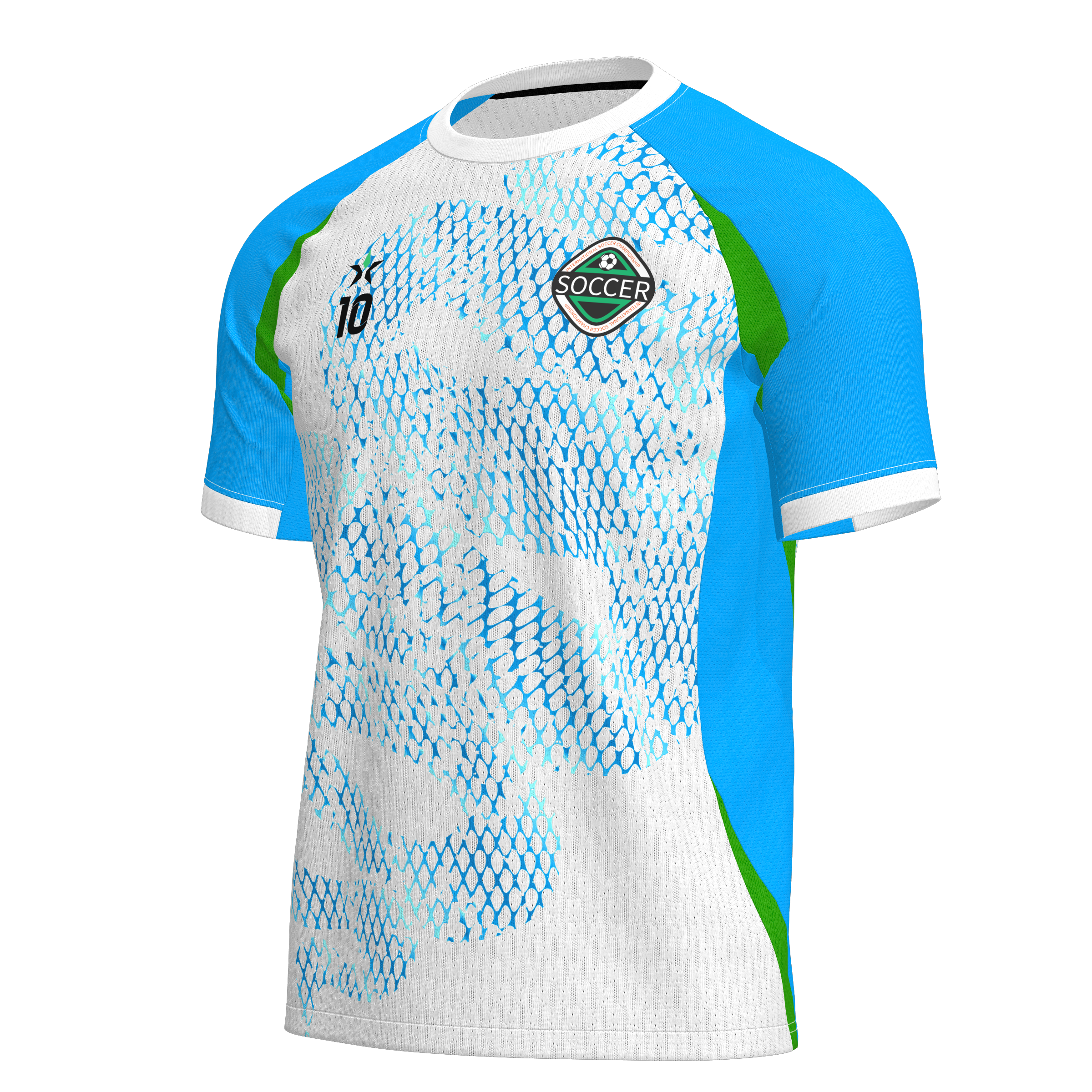
For football clubs, choosing the right custom football shirts involves more than selecting a color and adding a crest. Clubs need uniforms that represent their identity, provide comfort during training and matches, and fit within the available budget...
READ MORE