
Expanding into new teamwear categories can help sportswear brands reach additional customers, diversify revenue streams, and build stronger relationships with sports clubs, distributors, and retailers. However, introducing a new product category involves more than adding a few designs to an existing catalog. Brands must evaluate customer demand, product specifications, fabric performance, sizing requirements, customization options, and manufacturing capabilities before launching a new collection.
Custom sportswear offers a flexible way to approach this expansion. Instead of relying entirely on standardized products, brands can develop teamwear that reflects their identity, serves specific sports, and meets the requirements of different customer groups. With a suitable manufacturing partner, businesses can extend their product ranges while maintaining consistent branding and quality standards.
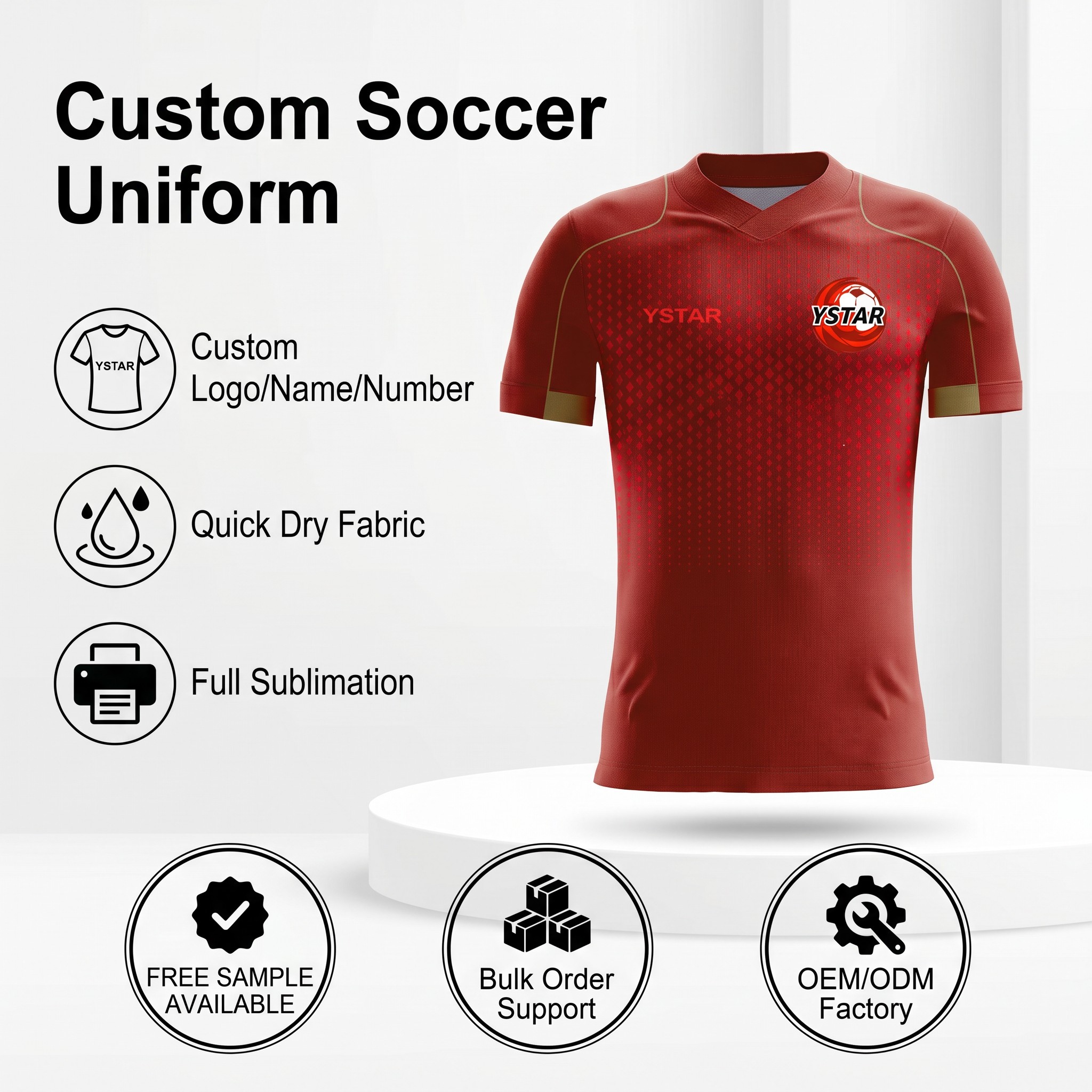
For established sportswear brands, private-label businesses, distributors, and online retailers, understanding how to manage this process is essential to building a scalable teamwear portfolio.
Sportswear customers often need more than one type of garment. A football club may purchase match jerseys, training shirts, and related team apparel. A distributor may serve basketball clubs, schools, sports academies, and amateur leagues. An online sportswear retailer may want to offer products for multiple sports to reach a wider audience.
Expanding into complementary categories allows businesses to serve these needs more comprehensively.
Several opportunities can make category expansion attractive.
A brand that initially focuses on football kits may be able to reach basketball teams, school sports programs, or multi-sport organizations by developing additional uniform categories.
Each segment has its own purchasing requirements. Schools may prioritize durability and budget control, while competitive clubs may place greater emphasis on fit, performance, and personalized team identity.
Developing products around these different needs can help brands broaden their customer base without abandoning their existing market.
Existing customers may already trust a brand's product quality, customization process, and communication. Offering complementary teamwear creates opportunities to serve more of their requirements.
For example, a distributor that purchases custom football jerseys may also be interested in basketball uniforms or training apparel for other customers. A broader product portfolio can make the brand a more useful long-term supplier.
Relying heavily on one product category can expose a business to changes in demand, competition, and seasonal purchasing patterns. Expanding into related categories may create additional revenue opportunities and provide greater flexibility in product planning.
However, diversification works best when the new products match the brand's capabilities and target market. Adding categories without understanding their demand or production requirements can increase inventory risk rather than reduce it.
Not every teamwear category is a natural extension of an existing sportswear business. Before investing in product development, brands should assess how closely the proposed category aligns with their customers, expertise, and commercial objectives.
A football-focused brand, for example, may find it easier to develop training shirts or basketball uniforms than to enter an entirely unrelated apparel segment.
Start by evaluating four areas.
Customer overlap: Do existing buyers already serve customers who need the new category?
Product compatibility: Can existing design, fabric, decoration, and quality-control capabilities support the new products?
Market demand: Is there sufficient interest from target customers to justify development and inventory investment?
Brand fit: Does the new category reinforce the brand's positioning, price range, and customer expectations?
A useful way to prioritize opportunities is to compare potential categories against these factors before committing to samples or bulk production.
For instance, a business serving football clubs may evaluate basketball uniforms, volleyball teamwear, and general training apparel as potential extensions. Each category can serve a related customer base, but the design, fit, and functional requirements will differ.
The best first expansion is usually one that offers a clear customer opportunity while remaining manageable from a product-development perspective.
Successful expansion does not require every product category to have a completely separate identity. Brands can develop a connected portfolio that shares selected visual elements while respecting the functional requirements of each sport.
A coordinated product range can include:
Custom football jerseys and team kits
Custom basketball jerseys and uniforms
Training shirts and performance tops
Youth teamwear
Additional team apparel designed around specific customer needs
The exact range should reflect the brand's target market and manufacturing capabilities.
Consistent use of brand colors, logo placement, labels, and graphic styles can help customers recognize products across different categories.
For example, a sportswear brand might use a consistent logo treatment and color palette across football and basketball collections while adapting garment construction to each sport.
This approach makes the portfolio feel connected without forcing every product into the same design template.
A broader range should also be easy for customers to understand. Brands can organize products by sport, intended use, customization level, or customer type.
A distributor may prefer clearly differentiated standard and premium options. An online retailer may benefit from separate categories for match uniforms, training apparel, and personalized teamwear.
A clear product hierarchy makes it easier for customers to compare products and choose the right solution.
One of the most important challenges in expanding into new teamwear categories is recognizing that different sports place different demands on garments.
A design that performs well for one sport may not be suitable for another. Fabric, fit, construction, and finishing must be evaluated according to how the garment will be used.
Football jerseys generally need to support movement, ventilation, and repeated washing. Lightweight polyester and breathable mesh are common options, depending on the intended use and product specifications.
Match jerseys may prioritize a streamlined fit and a lightweight feel, while training shirts may require a more relaxed fit or different fabric characteristics.
Basketball jerseys and shorts must accommodate frequent arm movement, jumping, and rapid changes of direction. Buyers should evaluate armhole dimensions, garment length, fit, and fabric breathability.
The uniform's cut and construction should be appropriate for the intended players and level of competition.
Training products may serve several sports and can offer an efficient way to broaden a portfolio. However, buyers still need to consider the activity, climate, intended fit, fabric weight, and expected durability.
A garment designed for intensive training may require different specifications from one intended for casual team travel or general club use.
Youth sizing requires particular attention to proportions and fit. Brands should confirm that size charts and grading specifications are appropriate for the intended age groups rather than simply assuming adult proportions can be scaled down.
When developing a new category, review fabric and construction choices with the manufacturer before finalizing the design. Product specifications should reflect actual use requirements rather than relying only on appearance.
Customization helps brands develop products that are distinctive to their market. It can also make a new category more commercially attractive by allowing customers to create team-specific or brand-specific designs.
Common customization options include:
Brand and club logos
Team colors and graphic patterns
Player names and numbers
Sponsor logos
Neck labels and care labels
Custom hangtags and packaging
Different fit and sizing options
The best customization strategy balances flexibility with production practicality.
For example, a brand launching both football and basketball uniforms may use a common visual identity across the collections while adapting the graphics, garment cuts, and decoration placement to each sport.
A reusable design system can reduce repetitive development work. Brands may establish approved logo files, brand colors, label formats, and basic artwork guidelines that can be applied across multiple product categories.
At the same time, each garment should retain the features required for its intended sport.
A shared branding framework helps maintain consistency, while category-specific specifications preserve product functionality.
Offering unlimited design combinations can create unnecessary complexity. Each additional color, fabric, label, or garment variation may affect sampling, material planning, order coordination, and production.
Brands should prioritize customization options that matter most to their customers and establish clear guidelines for more specialized requests.
This approach supports differentiation without making the product range difficult to manage.
Manufacturing capability plays a central role in successful category expansion. A manufacturer experienced with one garment type may not automatically have the same expertise across every type of teamwear.
Before selecting a manufacturing partner, determine whether the supplier can support the products you intend to introduce.
Important considerations include:
Product-development experience: Can the manufacturer help translate design concepts into practical garment specifications?
Sampling capabilities: Can it produce samples that allow buyers to assess fit, fabric, graphics, and construction before bulk production?
Customization processes: Can it manage the required printing, logos, names, numbers, and labels?
Production planning: Can it explain the minimum order quantities, material requirements, and estimated lead times for each category?
Quality control: Can it apply clear inspection criteria to different garment styles?
Repeat-order consistency: Can approved specifications be retained and referenced when customers reorder?
Working with a suitable custom sportswear manufacturer can help brands coordinate these requirements more effectively. However, buyers should verify the supplier's actual capabilities for each proposed category rather than assuming that all products follow the same production process.
A detailed product brief and an initial sample review are useful starting points for evaluating whether a manufacturer can support the expansion plan.
Launching a new teamwear category creates a commercial challenge: the brand needs enough product availability to serve customers, but excessive inventory can tie up capital before demand is established.
Minimum order quantities, or MOQs, can influence this decision. Depending on the product and manufacturing process, minimums may apply per style, color, fabric, or customization configuration.
Before launching a new category, ask the manufacturer to clarify:
Minimum order quantity for each product style
Whether multiple sizes can be combined within an order
Whether different designs can share an order quantity
Whether custom fabrics and labels have separate minimums
Price differences across order-volume tiers
Options for reordering approved designs
A phased launch may be appropriate when market demand is uncertain.
For example, a brand that already sells football kits could initially introduce a limited basketball uniform range for existing customers. Feedback and sales performance can then guide decisions about expanding colors, designs, or related products.
This approach helps the business validate demand before committing to a larger portfolio.
Adding many designs may make a catalog appear more comprehensive, but every variation creates potential inventory and management requirements.
A more focused collection with clearly differentiated products may be easier to market, forecast, and replenish than a large assortment with overlapping features.
Prioritize products with a clear customer need and a realistic route to repeat orders.
Sampling is particularly valuable when a brand enters a product category for the first time. It allows the business to evaluate the garment's practical performance and confirm whether the proposed specifications meet customer expectations.
A new basketball uniform, for example, may require adjustments to armhole dimensions or garment length. A football jersey may need a different fabric weight or fit from the brand's existing training apparel.
During sample evaluation, check:
Fabric composition, weight, and feel
Fit and measurements
Construction and stitching
Color consistency
Logo and graphic placement
Printing or decoration quality
Labels and finishing details
Suitability for the intended activity
For collections covering several sizes, consider whether a size set is needed to evaluate fit across the full range.
Document all changes and obtain approval of the final production specifications before bulk manufacturing begins. This creates a reference for quality inspection and future repeat orders.
Sampling also provides an opportunity to compare different product concepts before making a larger investment. Rather than developing every possible variation at once, brands can test the options most likely to influence purchasing decisions.
A wider product portfolio introduces more specifications to manage. Each category may use different fabrics, garment patterns, decoration methods, and measurement standards.
Without clear documentation, maintaining consistent quality across the collection becomes more difficult.
Brands should establish product-specific quality criteria covering the characteristics that matter most to customers.
For example, the inspection requirements for football jerseys may emphasize fabric consistency, fit, print alignment, and player personalization. Basketball uniforms may require additional attention to garment proportions, armholes, and construction details.
A practical quality-management process includes:
Documenting approved product specifications.
Keeping final samples or other approved references.
Defining measurement tolerances and inspection criteria.
Checking artwork and personalization before production.
Inspecting finished garments against the agreed requirements.
Recording issues and applying corrective actions where necessary.
Quality standards should be appropriate to each product, but the overall approval and documentation process can remain consistent across the brand's portfolio.
This helps the business introduce new categories without weakening the quality expectations established by its existing products.
Different teamwear categories can have different cost structures. Fabric consumption, construction complexity, customization requirements, order quantity, packaging, and shipping can all affect the final cost.
Brands should therefore avoid applying the same pricing assumptions to every product.
Before launching a category, estimate the complete cost of delivering the finished product to the intended customer.
Relevant expenses may include:
Garment manufacturing
Sample development
Printing and customization
Labels and packaging
Freight and import expenses
Quality inspection
Warehousing and fulfillment
Sales and marketing expenses
The appropriate retail or wholesale price depends on the brand's positioning, customer expectations, competitive environment, and target margin.
A lower manufacturing price does not necessarily produce a better business outcome if it comes with inconsistent quality, delayed delivery, or costly product corrections.
Similarly, a more expensive product may be commercially viable if it offers meaningful differentiation that customers are willing to pay for.
When introducing a new category, calculate expected margins using realistic order quantities and logistics costs. Review those assumptions as actual customer feedback and sales data become available.
The right product range also depends on how the brand sells its products.
An online sportswear store may need clear product photography, detailed size charts, selectable personalization options, and consistent SKU information. A distributor may prioritize products that can serve multiple clubs or be reordered in predictable quantities. A brand supplying sports academies may need a coordinated range that covers different age groups and team requirements.
Each sales channel has different operational needs.
Product information should make differences between styles easy to understand. Buyers need clear descriptions of fit, fabric, customization options, and sizing.
Standardized product specifications also help reduce confusion when customers compare categories or reorder items.
A broader range may create opportunities to serve more customers, but product availability and repeat-order consistency remain important. Confirm the manufacturer's lead times and minimum quantities for the products most likely to be reordered.
A coordinated teamwear program may include competition uniforms, training apparel, and garments for different age groups. Consistent branding and organized sizing information can simplify purchasing and future replacements.
Before developing the collection, identify the most important needs of the intended sales channel. This makes it easier to decide which products, features, and customization options deserve priority.
The first successful category expansion can create a foundation for introducing additional products. Instead of treating every launch as an entirely new project, brands can develop a repeatable product-development process.
A practical workflow includes:
Market evaluation: Identify customer demand and select a category that fits the brand's positioning.
Product definition: Establish garment specifications, target pricing, intended users, and customization requirements.
Manufacturer assessment: Confirm the supplier's capabilities, MOQ, sampling process, and production schedule.
Sample approval: Evaluate fit, fabric, construction, graphics, and other critical details.
Commercial planning: Calculate expected costs, margins, and inventory requirements.
Launch and feedback: Introduce the product to the target market and collect feedback on quality, fit, design, and pricing.
Review and improvement: Use customer feedback and sales results to refine the range before expanding further.
Keeping records of approved samples, technical specifications, artwork, and supplier quotations makes subsequent development more efficient.
Over time, the business can use this information to identify which categories share common requirements and which need dedicated development work.
For brands and distributors looking to expand their teamwear portfolios, YSTAR Sportswear offers customization and manufacturing services for products including football kits and basketball uniforms.
Its customization process covers design development, sample preparation, order confirmation, production, and shipment. These stages provide a framework for discussing product requirements and evaluating a proposed collection before bulk production.
Businesses planning to introduce a new teamwear category can prepare a product brief covering the intended sport, garment design, target quantity, fabric preferences, sizing, branding, personalization, and delivery requirements.
Discussing these details with the manufacturer helps clarify which specifications are practical, what sampling may be required, and how MOQ and lead times affect the launch plan.
For brands with an established product range, the goal is to extend the collection in a controlled way while maintaining clear specifications and consistent customer expectations. For newer businesses, a focused initial range can provide a starting point for validating demand and developing long-term customer relationships.
Choosing products that fit the brand's market and confirming manufacturing requirements early can help make category expansion more manageable.
Custom sportswear gives brands a flexible way to expand into new teamwear categories, reach additional customer groups, and create more comprehensive product portfolios. However, successful expansion requires more than adding new garment styles. Brands must understand the needs of each sport, establish suitable product specifications, plan inventory and pricing, validate samples, and maintain consistent quality standards.
Working with a capable custom sportswear manufacturer can help coordinate these requirements, but the right product strategy remains essential. Start with categories that align with existing customers and business capabilities, test demand before committing to excessive inventory, and document specifications carefully to support future reorders.
By combining market insight, practical product development, and disciplined manufacturing planning, sportswear brands can expand their teamwear offerings while building a more scalable and recognizable business.

Learn how panel and full inspection cut defects, stabilize output and safeguard brand reputation for sportswear sourcing.
READ MORE
2026 FIFA World Cup fuels jersey customization boom. Digital tech, phygital and sustainability reshape fan sportswear creation and retail.
READ MORE
Calculating the total cost of a custom sportswear order involves more than comparing the unit prices offered by different manufacturers. For sportswear brands, distributors, sports clubs, and online retailers, the final cost depends on fabric selecti...
READ MORE