
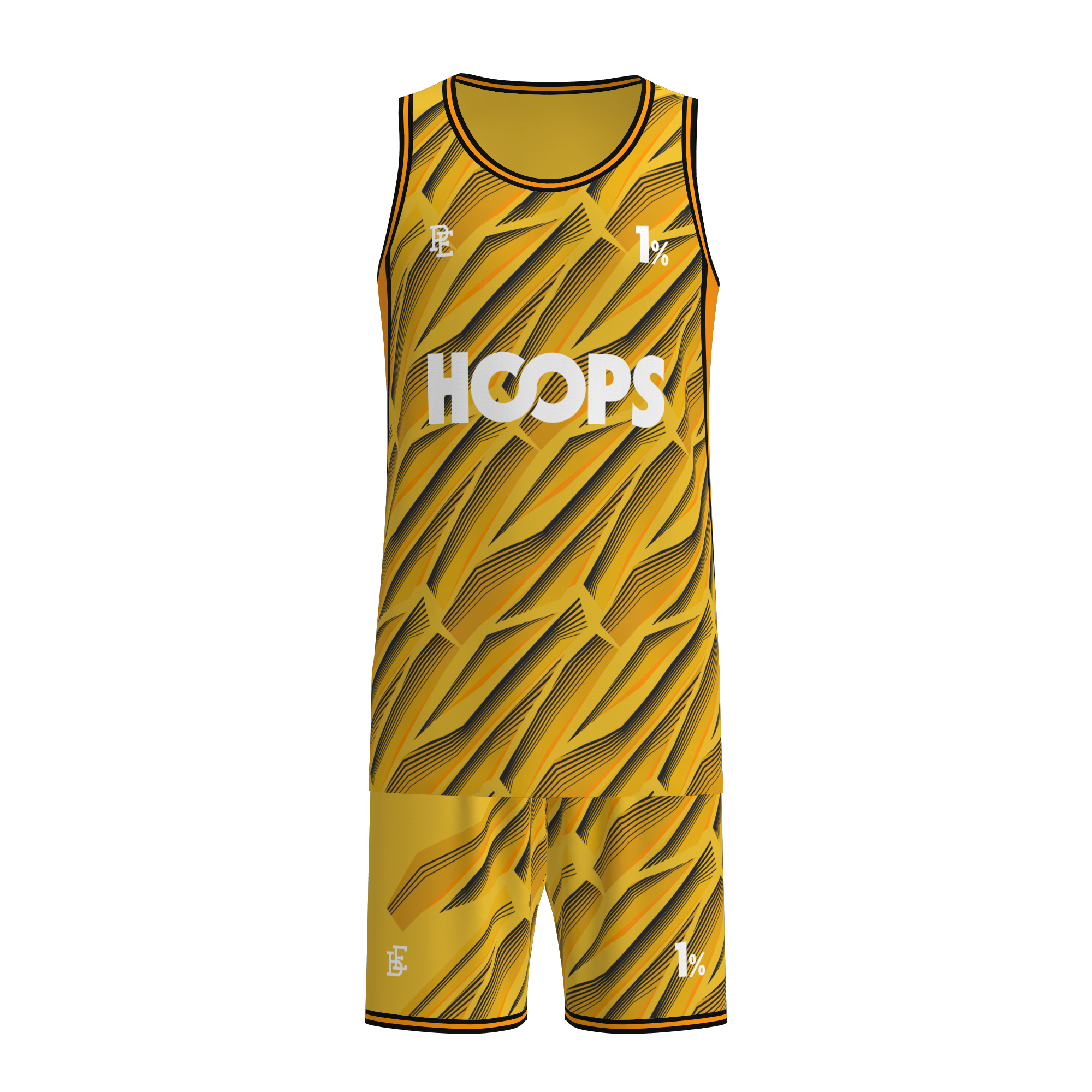
Ordering team kits for a school program isn't like buying a few jerseys for a rec league. You're dealing with multiple teams, dozens of students, tight budgets, and a hard deadline before the season starts. Get it wrong, and you're dealing with late deliveries, mismatched sizes, and uniforms that fall apart by mid-season. The question of what to consider when ordering custom sportswear for student teams comes down to a handful of practical factors that separate a smooth procurement process from a headache.
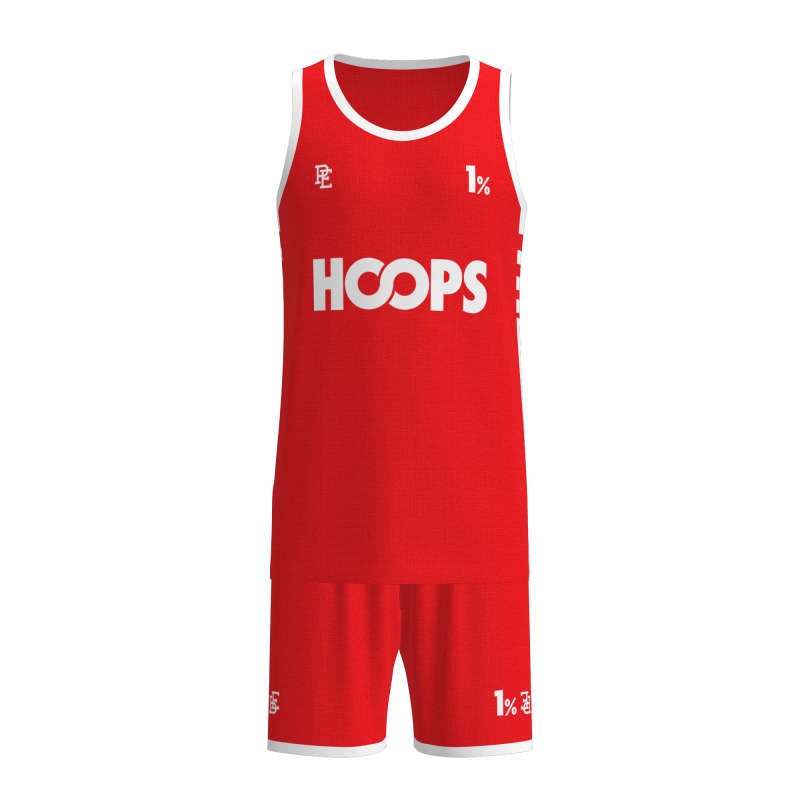
Below, we break down the factors that matter most—from fabric to sizing to timeline—so the athletic department can order with confidence.
1. Fabric That Survives Weekly Washing and Hard Use
Student athletes put kits through a lot: practice 3–4 times a week, games on weekends, and a wash after every wear. Cheap fabric starts fading, stretching out, or developing holes by mid-season. For school programs, durability isn't a luxury—it's what keeps the kit budget from getting blown on replacements.
Look for polyester-based performance fabrics that wick sweat and hold their shape. Mesh panels in high-heat zones help with breathability during practice. Ask the supplier about fabric weight—heavier jerseys (150gsm+) tend to last longer than thin, lightweight ones that wear out fast. It's worth paying a bit more upfront for fabric that lasts the full season.
2. Sizing That Actually Fits Teenage Athletes
Teen bodies are all over the place—some 14-year-olds are 5'2", others are 6'0" and broad-shouldered. Standard retail sizing often doesn't cover this range well. When ordering custom kits, work with the supplier to get a detailed size chart, and have players try on sample sizes before committing to a full order.
A few practical tips: order a couple of extra sizes (small and 3XL) to cover outliers, and check if the supplier offers exchanges for mis-sized jerseys. Nothing wastes time like discovering 5 jerseys don't fit right after the order arrives. Many suppliers will swap sizes for the first 30 days—ask about this upfront.
3. Budget: Consolidate Orders to Save Money
Most schools have multiple teams—boys' basketball, girls' basketball, soccer, volleyball, track. Ordering each team separately means paying per-unit prices for small orders. Consolidating all teams into one bulk order usually unlocks volume discounts that bring the per-unit cost down significantly.
Also think about phased ordering: order match kits first (the priority), then add training gear or warm-up jackets later in the budget cycle. This spreads the cost across the year rather than hitting the athletic department all at once. Ask suppliers about tiered pricing—how much does the per-unit cost drop at 50 pieces vs. 200 vs. 500?
4. Timeline: Start 3–4 Months Before the Season
This is where most schools run into trouble. Custom kits aren't an overnight order. Design approval, sampling, production, and shipping typically take 4–8 weeks. If you wait until August to order for a September season, you're cutting it close—or paying rush fees.
The practical approach: start the design process in May or June, get samples approved by July, place the full order in August, and have kits in hand by late August. Build in a buffer week for inspections and exchanges. Suppliers get slammed right before fall season—if you're in the queue early, your order moves faster.
5. Design: Match School Branding Without Overcomplicating
Every school has specific branding rules: official colors (Pantone codes), crest placement, logo usage guidelines. Make sure the supplier can match your exact colors—"close enough" doesn't cut it when the school's colors are specific shades of blue or green. Ask for a fabric swatch before bulk production to confirm the color matches.
Keep the design clean: school crest on the chest, team name across the back, player names and numbers. Too many design elements (multiple sponsor logos, busy patterns) make the kit look cluttered and can cost more to produce. Most suppliers handle standard customization—embroidery, sublimation printing, heat transfer—without issue. Ask what's included in the base price vs. what costs extra.
6. Supplier: Pick One That Works With Schools, Not Against You
Not every custom sportswear manufacturer is set up for school programs. Some are built for large corporate orders or pro teams. Schools have specific needs: flexible payment terms, ability to handle multiple teams in one order, understanding of academic-year timelines, and willingness to do small reorders when a player graduates or a jersey tears.
Ask other schools in your district who they use. References from similar programs are worth more than any sales pitch. Find out: do they deliver on time? What's their return policy? How fast do they respond to questions? A supplier that understands school procurement cycles is worth more than the cheapest quote.
7. Inspection: Check Before You Accept the Shipment
When the order arrives, don't just sign for it. Open the boxes, pull a few jerseys from each size, and check: does the color match the sample? Are the crests straight? Do the sizes match the chart? Is there any visible stitching defect?
Most issues are fixable if caught early—before the season starts and before you've already paid in full. Clarify the return/exchange policy in writing before ordering, so you know exactly what to do if something's off. Suppliers that stand behind their product will handle defects quickly; those that don't will make you fight for it.
FAQ
What's the single biggest mistake schools make when ordering custom kits?
Waiting too long. Most schools start the process too late—August for a September season—and end up paying rush fees or getting kits after the first few games. Starting 3–4 months ahead gives you time to get samples right, compare quotes, and avoid the pre-season rush.
How do we handle players who grow into new sizes mid-season?
Order a few extra sizes in each team's order, and ask the supplier about reorder lead times. If the supplier keeps your design on file, you can order a replacement jersey in a new size in 2–3 weeks—without redesigning from scratch. This is one reason working with a supplier you plan to use long-term beats shopping around every year.
Can we get sponsorship logos on school uniforms?
It depends on your school district's policies. Many schools allow local business sponsors on jerseys, with rules on size and placement. Check your district's guidelines first, then ask the supplier about logo printing costs—embroidery vs. sublimation vs. heat transfer all have different price points. Make sure sponsors know the timeline too, so their logo files are ready before production starts.
Table of Contents
- 1. Fabric That Survives Weekly Washing and Hard Use
- 2. Sizing That Actually Fits Teenage Athletes
- 3. Budget: Consolidate Orders to Save Money
- 4. Timeline: Start 3–4 Months Before the Season
- 5. Design: Match School Branding Without Overcomplicating
- 6. Supplier: Pick One That Works With Schools, Not Against You
- 7. Inspection: Check Before You Accept the Shipment
- FAQ