
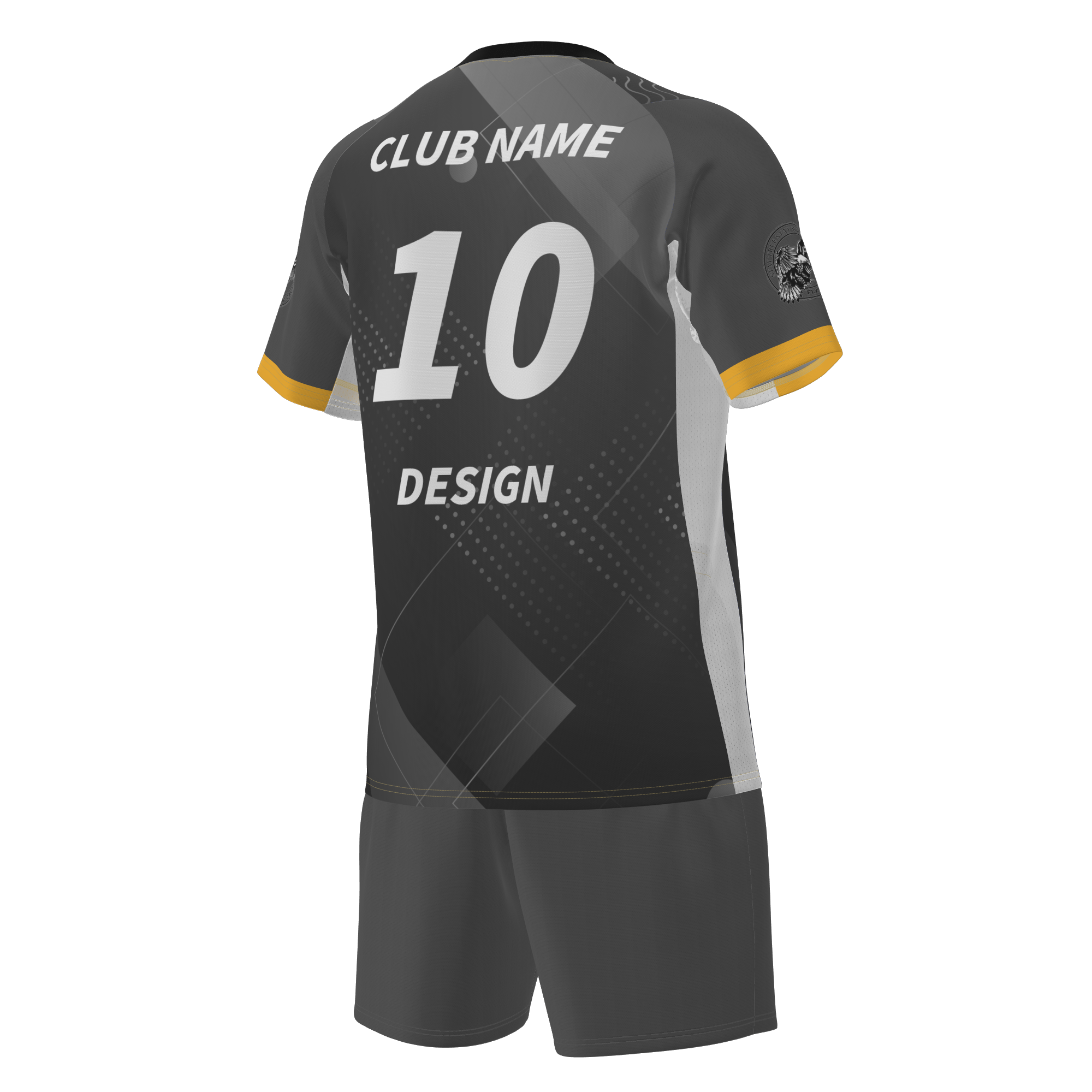
When you're in the middle of a high-intensity match, the last thing you want to think about is your kit. If it's heavy with sweat, chafing under the arms, or restricting your shoulder rotation, it's taking up mental space you should be using on the game. The question of whether custom sportswear actually improves comfort and mobility comes down to how the kit is engineered—and whether it's designed for your sport specifically, or just a generic jersey in team colors.
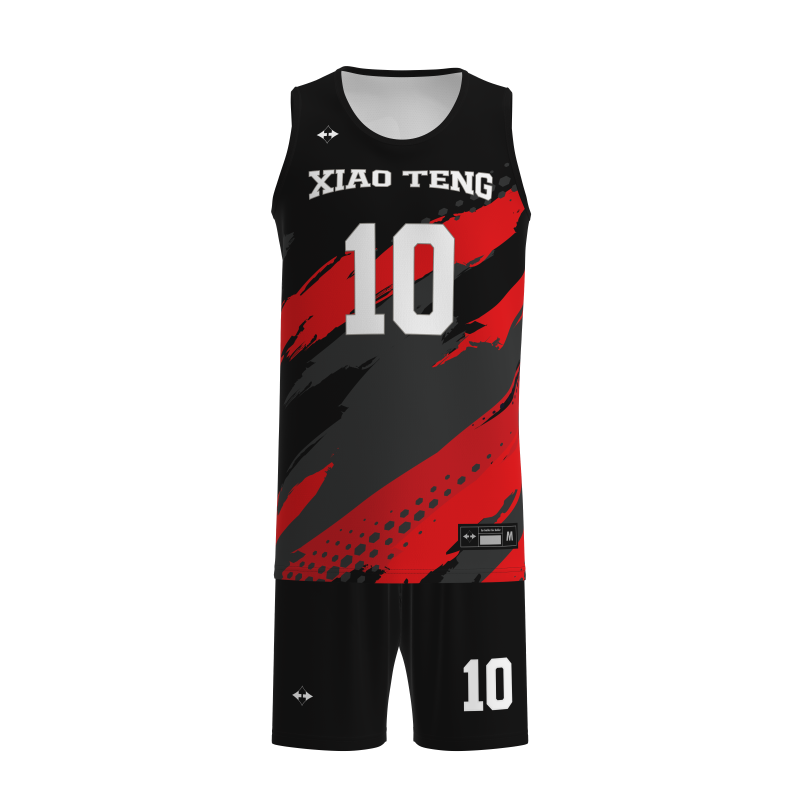
Below, we break down the design choices that actually make a difference on the court or field—from fabric to stitching to panel placement.
1. Sweat Management: Stay Dry, Stay Focused
During a high-intensity match, your body produces sweat fast. If the fabric absorbs it and holds onto it, the jersey gets heavy, sticks to your skin, and chaffes. Quality sportswear uses moisture-wicking polyester that pulls sweat away from the skin and spreads it across the fabric surface, where it evaporates faster. The result: you stay drier for longer, without that soaked, weighed-down feeling.
This isn't just comfort—it's performance. When sweat sits against your skin, it cools you down faster than your body wants, which can cause muscles to tighten. Proper wicking helps maintain a more consistent body temperature, which matters over the course of a full match.
2. Chafe Reduction: Flatlock Seams and Strategic Paneling
Chafing is one of the most common complaints about athletic wear. It happens when seams rub against skin during repetitive movement—arms swinging, legs striding, shoulders rotating. Standard cut-and-sew jerseys have raised seams that catch and rub. Flatlock stitching lays the seam flat against the fabric, reducing the friction point.
Good kit design goes further: it places seams away from high-movement zones. Under the arms, along the inner thigh, across the upper back—these are areas where you don't want a seam digging in during play. Custom manufacturing lets you position panels where they actually make sense for the sport, rather than using a generic pattern that works okay for everyone but perfectly for no one.
3. Anatomical Fit: The Kit Moves With You
Off-the-rack jerseys are cut for the "average" body type. If you're taller, broader, or more compact than average, the fabric pulls in some spots and hangs loose in others. During explosive movements—jumping, cutting, reaching—extra fabric gets in the way, and tight spots restrict motion.
Custom patterns are built around how athletes actually move. Sleeve lengths account for arm rotation, torso lengths account for bending and reaching, and panel placements follow muscle groups rather than generic body shapes. The result: the kit feels like it's part of your body, not something you're wearing. You don't notice it during play, which is exactly the goal.
4. Lightweight Construction: Every Gram Counts
Heavy jerseys slow you down. It sounds small—an extra 100 grams on your torso—but over 90 minutes, that weight adds up in fatigue. Modern performance fabrics are engineered to be durable while weighing as little as possible. Mesh panels in high-heat areas (underarms, upper back) add airflow without adding weight.
This is why sublimation printing matters for performance: the dye goes into the fabric, so there's no extra weight from thick prints or heavy patches. The jersey stays light, even with full-color graphics and sponsor logos.
5. Compression Where It Helps, Not Everywhere
Strategic compression—gentle pressure on key muscle groups—can reduce muscle oscillation during explosive movement, which helps with stability and perceived fatigue. But full-body compression isn't necessary for every sport, and too much pressure can feel restrictive.
Good kit design uses compression in targeted zones: upper arms, lower back, thigh areas. The rest of the jersey stays loose and breathable. This balance gives you muscle support where it helps, without the constricted feeling that makes you want to take the kit off as soon as the match ends.
6. Durability: Performance Holds Up All Season
A kit that feels great on day one but goes soft, stretches out, or fades after 10 washes doesn't deliver long-term value. Quality sportswear maintains its fit, stretch, and moisture-wicking properties through a full season of matches and weekly washes. This consistency matters—athletes don't want to adjust to a kit that changes shape every month.
Reinforced seams at stress points (shoulders, side seams, cuffs) prevent splitting during hard play. Fabric that holds its shape means the kit fits the same way in week 20 as it did in week 1.
FAQ
Does custom sportswear actually make a measurable difference on the court?
For most athletes, the difference comes down to reduced distractions: less chafing, less sweat-soaked fabric, less restriction from poorly fitting cuts. You're not suddenly faster because of the kit, but you're not losing energy to discomfort either. Over the course of a match, that adds up—especially in high-intensity sports where focus and endurance matter.
How is custom sportswear different from a good retail jersey?
Retail jerseys are cut for the average consumer and made from standard fabric blends. Custom kits are built around the movement patterns of your specific sport, with panel placement and seam construction designed for that activity. The fit is more precise, the fabric is performance-grade, and the kit holds its shape longer through repeated washing and hard use.
What fabric features matter most for high-intensity play?
Moisture-wicking polyester is the base. Beyond that, look for mesh ventilation zones in high-heat areas, flatlock seams to reduce chafing, and four-way stretch fabric that moves with you. Weight matters too—lighter fabrics reduce fatigue over a full match. Sublimation printing is a plus because it adds no extra weight compared to screen prints or patches.