
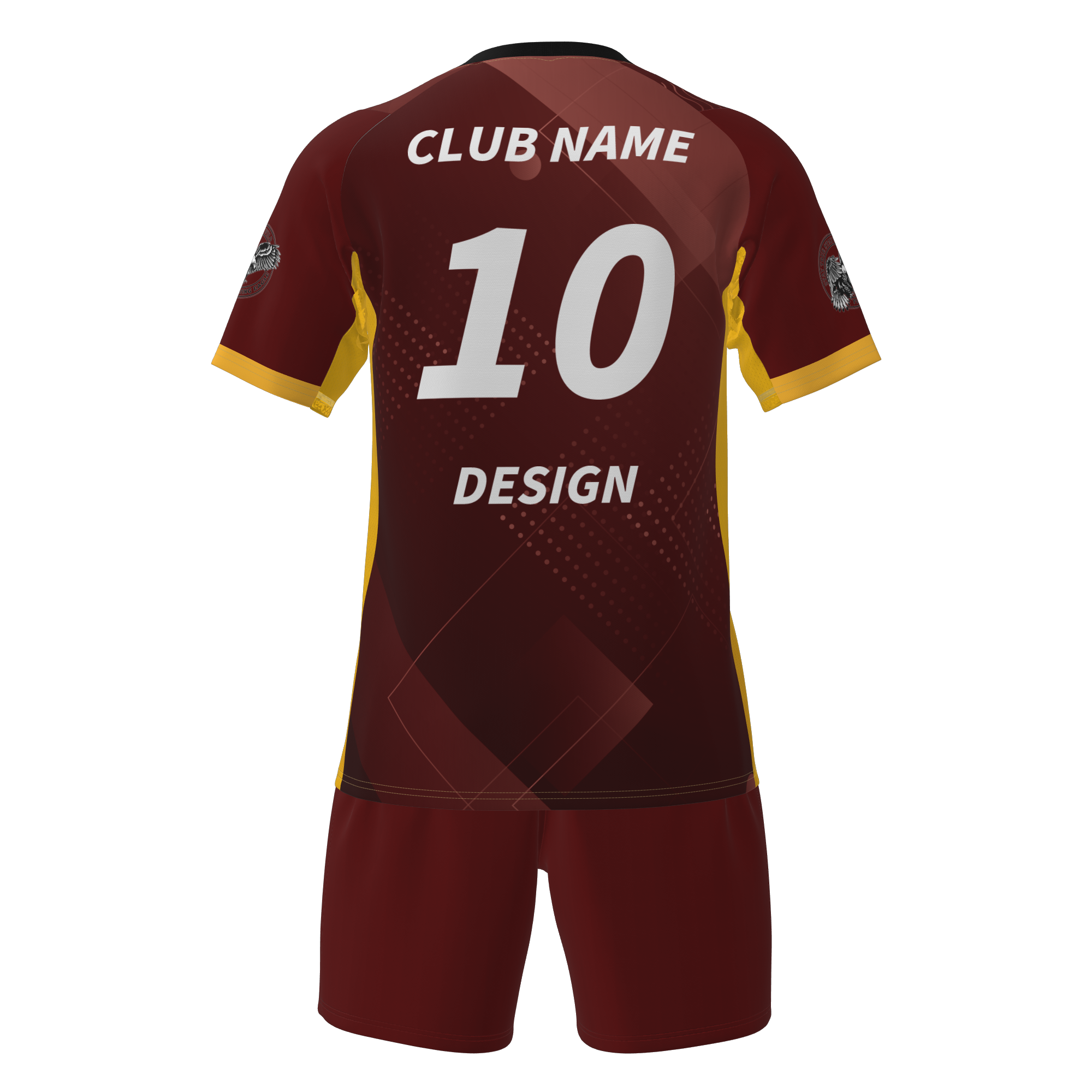
Every season brings roster changes, new sponsors, fresh design ideas, and pressure to "refresh" the kit. But if you redesign from scratch every year, fans never get to associate a specific look with your club. The question of how custom sportswear helps build a consistent team identity across seasons comes down to balancing two things: keeping the core look recognizable, and updating details enough to feel current.

Below, we break down how the best clubs maintain visual identity year after year—without the kit feeling stale, or feeling like a completely different team every season.
1. Lock in the Core Elements—Those Never Change
Consistency starts with knowing what "core" means. For most clubs, the non-negotiable elements are: primary team colors, crest placement, overall silhouette (home vs. away), and the general typography used for names and numbers. These are the things fans identify from across a stadium, on a blurry screen, or in a crowd.
When these core elements stay stable season after season, recognition builds automatically. A supporter sees a jersey on the street, in a highlight reel, or on a new signing's social media post—and immediately knows which club it is. That recognition is what turns a kit into a brand asset rather than just clothing.
2. Refresh the Details—So It Doesn't Feel Stale
Keeping core elements stable doesn't mean the kit has to look identical every year. The best clubs update secondary details season to season while keeping the overall identity intact:
• New stripe patterns, gradient effects, or collar styles
• Slight color shifts—deeper, brighter, or more muted versions of the primary palette
• Fabric upgrades that improve performance without changing the look
• Commemorative patches for special seasons or milestones
This approach gives fans something new to look forward to each season while maintaining the familiar feel. It also gives sponsors a fresh canvas—new design elements make the kit feel current, which keeps the partnership interesting.
3. New Players Inherit the Identity Immediately
Roster turnover is constant. Players come and go every transfer window. But when the kit stays consistent, new signings step into something that already feels established. They put on the same colors, the same crest, the same design language—even if they just joined last week, they look like they belong.
This psychological effect is underrated. A player wearing a fresh-from-scratch design they've never seen before doesn't feel the same connection. But when the kit is a known quantity—something they've watched from the stands, something they grew up seeing—it reinforces that they're now part of something with history.
4. Fans Build Emotional Attachment Through Familiarity
Brand identity isn't built on one season. It's built on years of seeing the same colors, the same crest, the same general look. When fans see the kit consistently—year after year—it becomes tied to memories: their first game, a winning season, a favorite player. That emotional connection is what drives merchandise sales, matchday attendance, and long-term loyalty.
Clubs that completely overhaul their kit every few years miss out on this. Fans don't have time to build attachment to a design that changes before it feels familiar. The best-selling kits in club history are almost always the ones that stayed in rotation long enough for supporters to form memories around them.
5. Sponsors Get More Value From a Stable Identity
Sponsors don't just pay for logo placement—they pay for visibility over time. When a club's kit design changes completely every season, the sponsor's association with the club has to start over each year. Fans don't immediately connect the sponsor with the club because the whole look is new.
But when the kit has a stable core—same colors, same crest, same general layout—sponsors build recognition alongside the club. Year after year, fans see the sponsor logo alongside the club's identity, and the association strengthens. This is why sponsors typically prefer clubs with consistent branding: their investment compounds over time, rather than resetting every season.
6. Merchandise Revenue Depends on Recognition
Fans buy replica kits because they want to feel like part of the club. That desire is strongest when the kit looks like "the club's kit"—not a generic design that happened to be this year's version. Consistent design across seasons means fans who bought a kit two years ago still feel like they have something relevant. They're more likely to buy the next one, and the one after that.
This creates a sustainable merchandise cycle. Clubs that change too frequently make fans feel like last year's kit is already outdated—so they stop buying as often. Clubs with stable identity build a collection: fans own multiple seasons, and each one feels like part of the same story.
7. Practical Tip: Document Your Design Guidelines
Consistency doesn't happen by accident. It happens because someone on the club side writes down what the core elements are: primary colors (with Pantone codes), crest placement rules, acceptable variations for home vs. away kits, and what's off-limits to change. When new committee members, new designers, or new kit manufacturers come in, they reference these guidelines rather than starting fresh.
Working with a manufacturer that handles in-house design and digital printing makes this easier. They can archive your previous designs, suggest updates that build on existing elements rather than replacing them, and ensure each new season's kit feels like part of the same family.
FAQ
How often should clubs update their kit design?
Most clubs refresh secondary details every 1–2 seasons—new patterns, slight color shifts, fabric upgrades—while keeping core elements (primary colors, crest placement, overall silhouette) stable for much longer. Complete overhauls are rare and usually tied to major rebranding. The sweet spot feels current without abandoning the identity fans already know.
Can we change sponsors without changing the whole kit design?
Yes. Sponsor logos sit on top of the kit design—they don't define the club's identity. When a new sponsor comes in, you integrate their logo into the existing layout (chest, sleeve, back) rather than redesigning the whole kit. The club's colors and crest stay the same; only the sponsor mark changes. This keeps brand identity intact while giving the new sponsor a clean placement.
Does consistent kit design actually matter for smaller clubs?
Absolutely—maybe even more. Big professional clubs have decades of history to fall back on. Smaller clubs and academies are building identity from scratch. Consistent kit design across seasons is how you start: fans, players, and sponsors gradually learn what your club looks like, and that recognition is the foundation of everything else.
Table of Contents
- 1. Lock in the Core Elements—Those Never Change
- 2. Refresh the Details—So It Doesn't Feel Stale
- 3. New Players Inherit the Identity Immediately
- 4. Fans Build Emotional Attachment Through Familiarity
- 5. Sponsors Get More Value From a Stable Identity
- 6. Merchandise Revenue Depends on Recognition
- 7. Practical Tip: Document Your Design Guidelines
- FAQ