
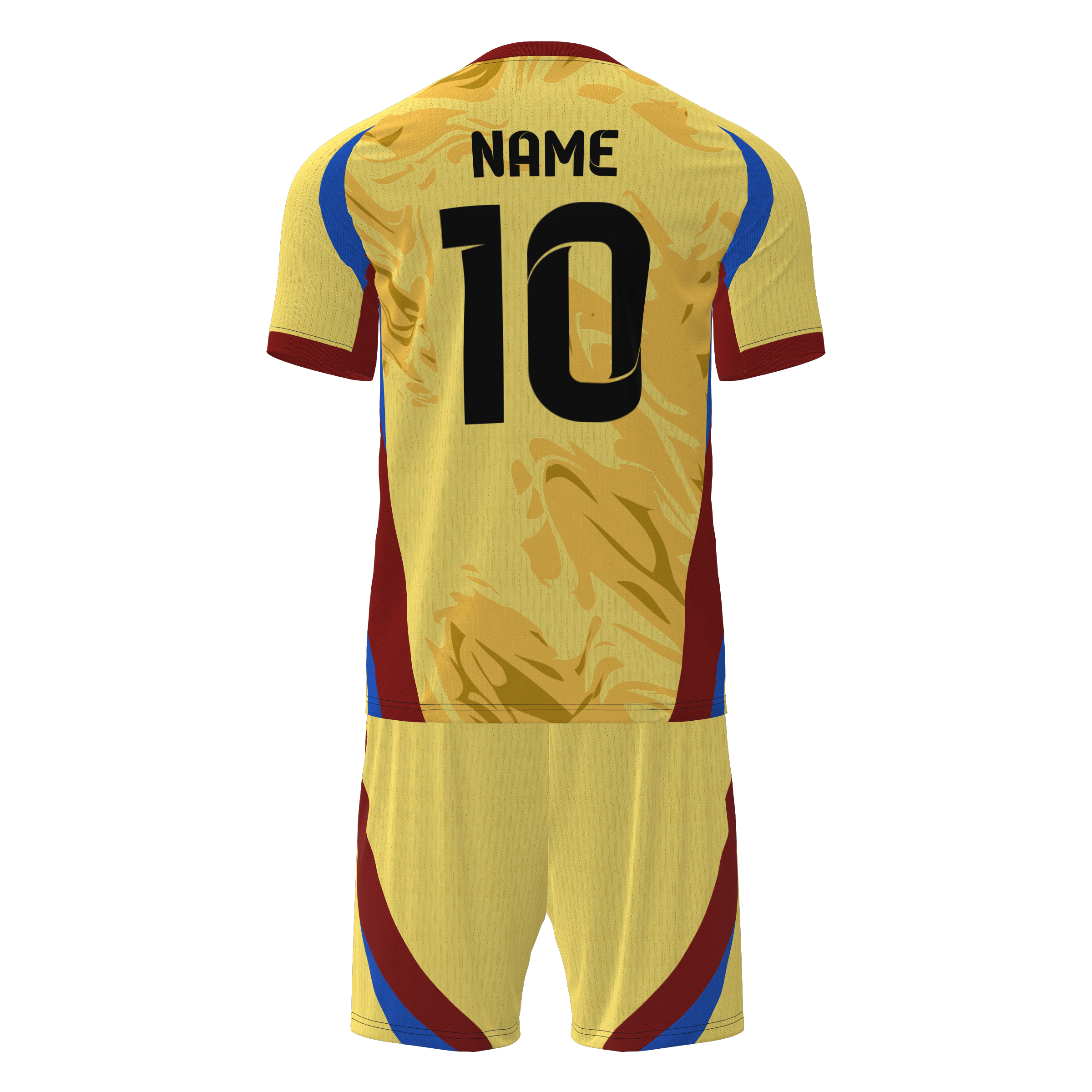
If you're a brand, retailer, or distributor looking to launch your own line of teamwear, you need more than a factory that can sew jerseys. You need a partner that handles design, sampling, production, and quality control end to end. The question of how a custom sportswear manufacturer supports OEM and private label projects comes down to one thing: can they turn your idea into a finished product that meets your brand's standards—on time, at scale, and without surprises?
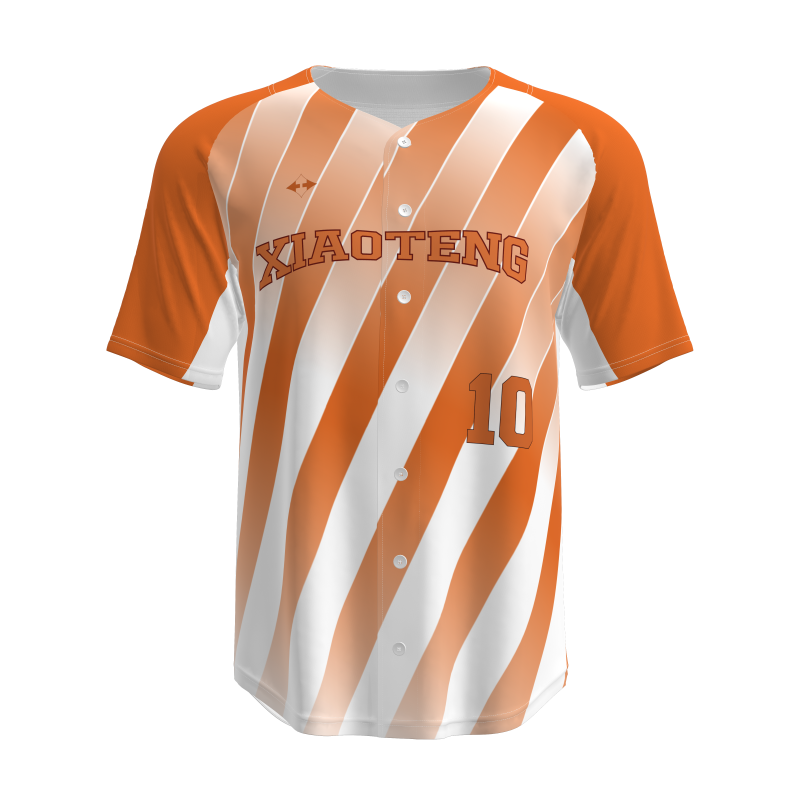
Below, we break down what an experienced production partner actually does for OEM and private label clients—and what to look for when you're evaluating potential factories.
1. Design Development: From Concept to Production-Ready
Every project starts with an idea—your brand's vision, your target market, your price point. A good manufacturer doesn't just take your design and sew it. They have in-house designers and pattern makers who can take a rough concept, refine it, and make sure it's actually producible. Some designs look great on screen but don't work in fabric—the factory's job is to catch that early.
This includes fabric selection (which material fits your performance requirements and price target), color matching (Pantone codes, dye lot consistency), logo placement (embroidery vs. sublimation vs. heat transfer), and sizing charts. The factory should work with you through revision rounds until the design is locked—before cutting any fabric. This collaborative approach saves time and avoids costly mistakes later in production.
2. Sampling: Test Before You Commit
Sampling is where the rubber meets the road. Before bulk production, you get a physical sample—same fabric, same construction, same printing—so you can check fit, feel, color accuracy, and print quality in person. This is your chance to adjust anything that's off: too tight in the shoulders, color slightly off, logo too big. Fix it on the sample, not on 500 finished jerseys.
Experienced factories can turn samples around in 7–14 days. Some offer rapid sampling for urgent timelines. The key: make sure the sample process is included in the quote, and ask how many revision rounds are allowed before production starts. A factory that rushes you to "just approve it" before you've had a chance to test the sample is not one you want handling your brand.
3. Scalable Production: From Small Runs to Volume Orders
OEM and private label clients have different volume needs. A new brand might start with 100 pieces per design. An established retailer might need 5,000. A good factory handles both—without the small-order client feeling ignored, or the large-order client feeling like quality drops at scale.
This means production lines that can flex: dedicated teams for smaller runs, automated cutting and sewing for volume orders, and enough capacity to handle seasonal spikes (most teamwear orders hit before fall sports season). Ask about their production capacity—how many pieces per month, how many lines, and how they prioritize orders during peak season.
4. Quality Control: Consistent Across Every Batch
For private label, your reputation is on the line. If the first batch of jerseys is great but the second batch has slightly different colors, looser stitching, or misprinted logos, your customers notice. Quality control isn't a single check at the end—it's built into every step of production.
Good factories have QC checkpoints: fabric inspection before cutting, in-line checks during sewing, final inspection before packaging. They should be able to share photos of your order at different stages, and provide detailed QC reports. Ask about their defect rate—if they can't give you a number, that's a red flag. Reputable factories typically run at 1–2% defect rates, and they handle replacements quickly.
5. Private Label: Your Brand, Their Production
Private label means the final product has your brand's name, your tags, your packaging—not the factory's. This sounds obvious, but not every factory is set up for it. You need a partner that can handle custom neck labels, woven tags, hang tags, and even custom packaging if you need it.
Also ask about exclusivity. If you're launching a specific design or colorway, can the factory guarantee they won't produce the same thing for another client? Professional manufacturers sign NDAs and keep design files confidential. This protects your brand's differentiation—especially important if you're building a retail line that competitors could copy.
6. Flexible MOQs: Start Small, Scale Up
One of the biggest barriers for new brands is minimum order quantities. Some factories require 500+ pieces per design—if you're just starting out, that's a lot of inventory to tie up. A manufacturer that works with emerging brands offers lower MOQs (50–100 pieces per design) while still delivering quality.
This flexibility lets you test the market with a small run, see what sells, and then scale up the popular designs. Ask about tiered pricing: how does the per-unit cost drop at 100 vs. 500 vs. 1000 pieces? The right partner grows with your brand—they don't force you to commit to volume before you're ready.
FAQ
What's the typical lead time for OEM teamwear production?
Standard orders typically take 4–8 weeks from sample approval to delivery, depending on order size and complexity. Rush production is available but costs more. For brands planning seasonal launches, it's smart to start the design and sampling process 3–4 months before you need stock in hand—this leaves buffer time for revisions, production, and shipping.
Can a manufacturer handle both OEM production and private label branding?
Yes—most experienced teamwear factories do both. OEM means they produce to your exact specifications (your design, your fabric, your labels). Private label is a subset of OEM where the final product is fully branded as your own, with custom tags, packaging, and exclusivity agreements. The key is finding a factory that has in-house design and QC capabilities, not just sewing lines.
How do I protect my design when working with a manufacturer?
Start with a signed NDA (non-disclosure agreement) before sharing any designs. Reputable factories have standard NDAs they're willing to sign. Ask about their design protection process: are files stored securely? Do they avoid producing the same design for competing brands? For high-value or proprietary designs, you can also register trademarks or design patents in your target market—this adds an extra layer of legal protection.