
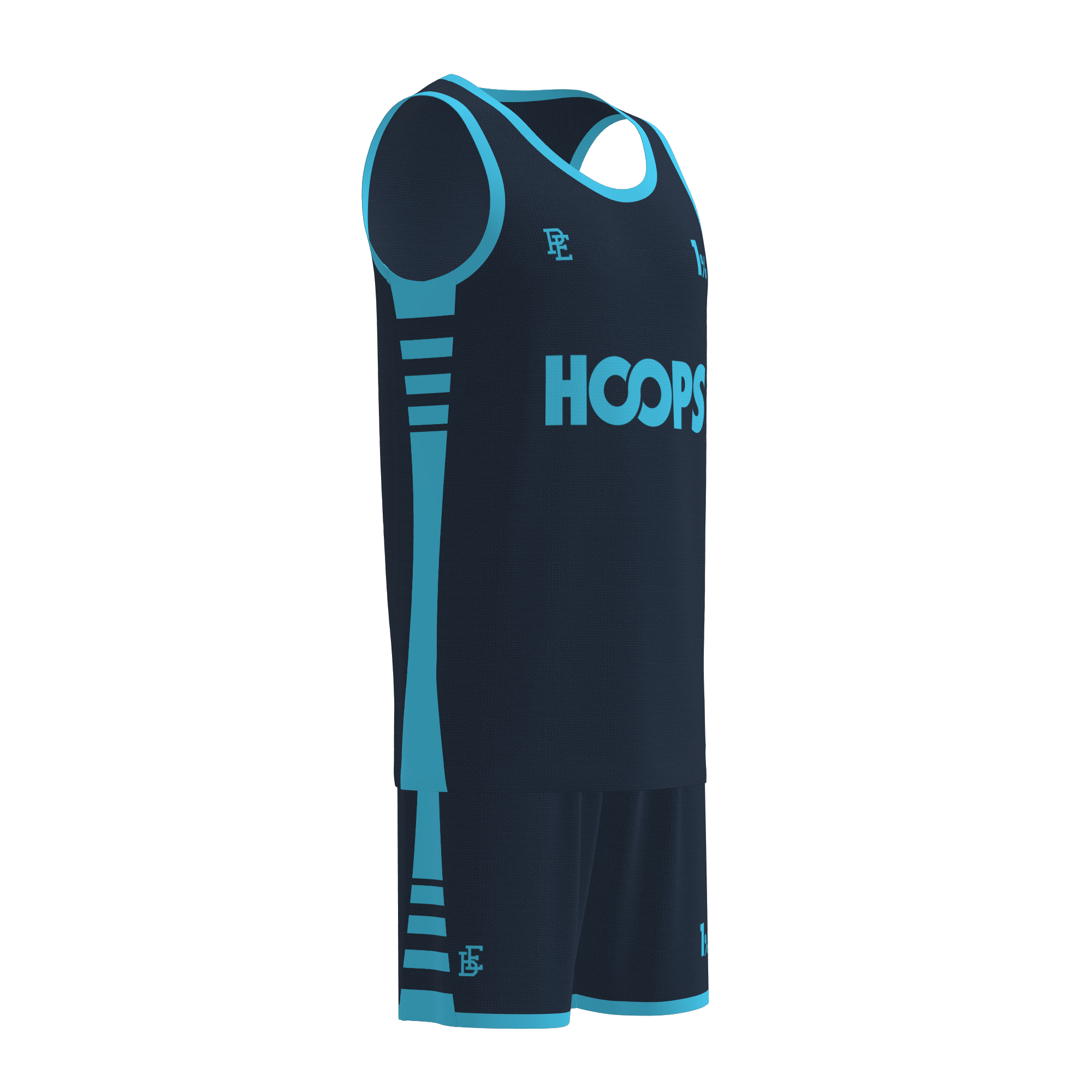
Custom sportswear has become a cornerstone of modern athletic programs, offering teams and organizations a powerful way to unite players under a cohesive visual identity while simultaneously generating revenue through sponsor partnerships. However, many athletic directors and team managers face a critical question: can custom sportswear truly support sponsor branding without compromising the athletic performance that athletes depend on? The answer is not only yes, but achieving this balance has become an industry standard when custom sportswear is designed with both objectives in mind from the outset.
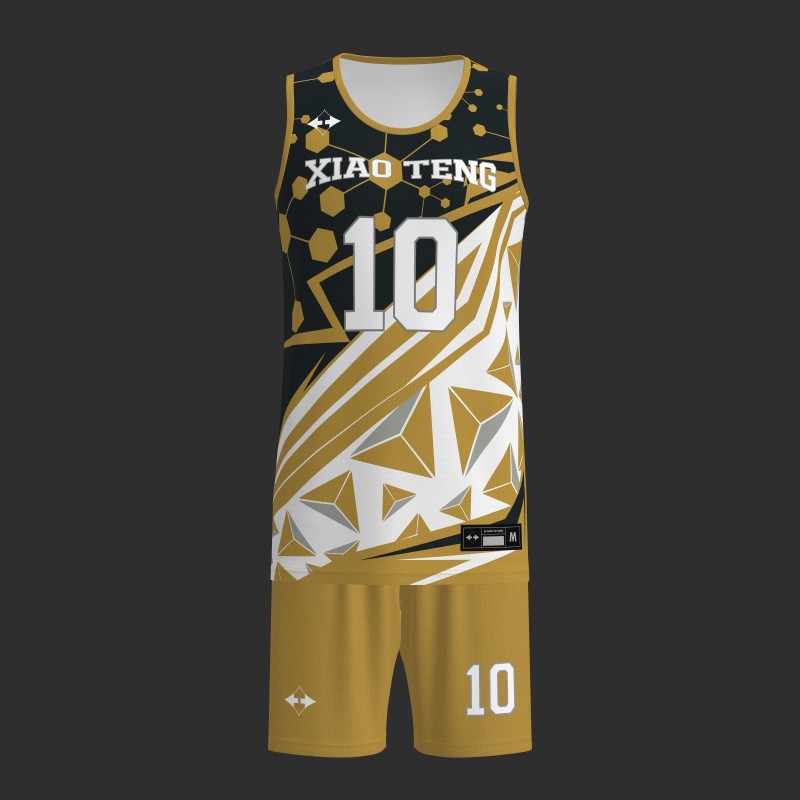
The integration of sponsor logos into custom sportswear no longer means sacrificing fit, breathability, or mobility. Modern custom sportswear manufacturing combines advanced fabric technology with strategic logo placement to ensure that athlete performance remains the top priority while still delivering the visibility sponsors require. Understanding how to navigate this balance requires insight into fabric selection, design strategy, and the practical constraints of professional and amateur athletics.
Understanding the Performance Foundation of Custom Sportswear
How Fabric Technology Supports Both Goals
The foundation of any high-performance custom sportswear begins with the fabric itself. Contemporary custom sportswear manufacturers use moisture-wicking synthetic blends, mesh ventilation systems, and stretch materials that enhance player movement while maintaining structural integrity for logo placement. When custom sportswear is constructed from these engineered materials, sponsor logos can be applied through embroidery, sublimation, or heat-transfer methods without adding significant weight or restricting the athlete's range of motion. The key is selecting materials that are both visually durable for sponsor branding and functionally superior for athletic demands.
Weight and Mobility Considerations
Custom sportswear that incorporates sponsor branding must be engineered to minimize weight while maintaining durability. Lightweight custom sportswear allows athletes to move freely without the fatigue that comes from carrying unnecessary mass during competition. Modern custom sportswear designs achieve this by using strategically placed embroidered or printed logos that add minimal weight compared to older woven patch methods. Athletes wearing well-designed custom sportswear report no performance degradation even with multiple sponsor marks, because the garment's core engineering prioritizes their athletic needs first and sponsor visibility second.
Strategic Logo Placement and Sponsorship Integration
Optimizing Visibility Without Obstructing Function
Custom sportswear designers who successfully balance sponsor branding with performance use proven placement strategies that have become industry best practices. Sponsor logos on custom sportswear typically appear on the chest, sleeves, and back, locations that maximize broadcast visibility and brand recognition while avoiding the high-stress seams and movement zones where logo placement could restrict athletic motion. Professional custom sportswear specifications now account for these zones explicitly, ensuring that custom sportswear meets both sponsorship contracts and athlete comfort standards. This deliberate approach transforms custom sportswear into a dual-purpose asset rather than a compromise between competing interests.
Color and Design Integration
The visual coherence of custom sportswear with integrated sponsor branding depends heavily on thoughtful color selection and design hierarchy. Custom sportswear that incorporates sponsor logos as natural design elements rather than afterthoughts creates a more professional appearance and suggests greater quality to both athletes and audiences. When custom sportswear color schemes and sponsor logos are designed together from the beginning, the final product looks intentional and polished, which paradoxically can enhance both brand perception and athlete confidence. This integrated approach to custom sportswear design means sponsors receive better visual integration and athletes receive garments that feel purpose-built rather than retrofitted.
Performance Validation and Real-World Athletic Testing
Measurement Standards for Custom Sportswear Performance
Organizations commissioning custom sportswear should require performance validation before full adoption. Custom sportswear manufacturers increasingly conduct athletic testing that measures breathability, moisture management, flexibility, and fatigue factors with and without sponsor branding elements. This testing establishes whether the custom sportswear meets performance thresholds across key athletic metrics. Universities and professional teams now commonly specify performance benchmarks in their custom sportswear contracts, ensuring that the final custom sportswear product delivers measurable athletic benefits alongside sponsor visibility. This data-driven approach removes guesswork and provides objective proof that custom sportswear supports both objectives.
Athlete Feedback and Iterative Design
The most successful custom sportswear programs incorporate athlete feedback into design iterations before full production. When athletes test custom sportswear prototypes during practice and competition, they provide firsthand data about comfort, mobility, and any performance concerns. This iterative approach to custom sportswear development ensures that sponsor branding elements do not degrade the athlete experience, and it often reveals optimization opportunities that benefit both performance and visual appeal. Teams that invest in this collaborative custom sportswear development process typically see higher athlete satisfaction, better sponsor outcomes, and ultimately better on-field results because athletes feel supported by their equipment.
Practical Implementation Guidelines for Balancing Performance and Sponsorship
Design Specifications for Dual-Purpose Custom Sportswear
When developing custom sportswear that supports sponsor branding without compromising athletic performance, organizations should establish clear design specifications upfront. These specifications for custom sportswear should define fabric composition, seam placement, logo dimensions and placement, weight limits, breathability standards, and stretch requirements. Custom sportswear created to these exacting standards consistently delivers both sponsorship visibility and athlete confidence in their equipment. Specifications ensure that every production run of custom sportswear maintains the same performance and branding standards, creating consistency across the entire team or organization.
Maintenance and Durability Requirements
High-quality custom sportswear must withstand repeated washing, sweat exposure, and intense athletic use while maintaining both performance properties and sponsor logo integrity. Custom sportswear should be specified with colorfastness standards, logo durability requirements, and seam strength guarantees that ensure the garment remains functional and visually professional throughout its usable life. When custom sportswear is engineered for durability from the outset, sponsor logos remain visible and crisp while athletic performance characteristics persist season after season. This durability consideration transforms custom sportswear from a short-term expense into a long-term asset that delivers consistent value for both the organization and its sponsors.
FAQ
Does adding sponsor logos to custom sportswear actually reduce athlete mobility?
No, when custom sportswear is properly designed, sponsor logos have negligible impact on mobility. Modern custom sportswear uses lightweight embroidery and sublimation techniques applied to non-stress areas, and contemporary fabric engineering ensures that logo placement does not restrict movement. Athletes wearing professionally designed custom sportswear with sponsor branding report no performance degradation compared to plain alternatives. The key is ensuring that custom sportswear designers and manufacturers prioritize athletic function when determining logo placement and application methods.
What fabric types work best for custom sportswear with sponsor branding?
Custom sportswear performs best with moisture-wicking polyester blends, nylon mesh panels, and stretch materials like spandex composites. These fabrics for custom sportswear maintain breathability and mobility while providing the structural integrity necessary for durable logo application. The best custom sportswear combines multiple fabric types in strategic zones to maximize both performance and sponsorship visibility. Manufacturers should specify fabric composition explicitly in custom sportswear contracts to ensure quality meets both athletic and branding objectives.
How can organizations ensure custom sportswear meets both performance and sponsorship standards?
Organizations should require detailed specifications, athlete testing, and performance validation before approving custom sportswear production. Clear custom sportswear contracts should define fabric standards, logo durability, mobility benchmarks, and maintenance requirements. Testing custom sportswear prototypes with actual athletes during practice reveals any performance issues before full production. This structured approach to custom sportswear development ensures that the final product delivers measurable athletic benefits while simultaneously achieving sponsor branding goals.