

Picking a manufacturer for your team kits isn't just about finding the lowest price. You're choosing a partner for the season—one that hits deadlines, delivers consistent quality, and doesn't disappear when something goes wrong. The question of what to compare when choosing a custom sportswear manufacturer comes down to a few key dimensions that separate reliable suppliers from the ones that leave you scrambling before the first game.
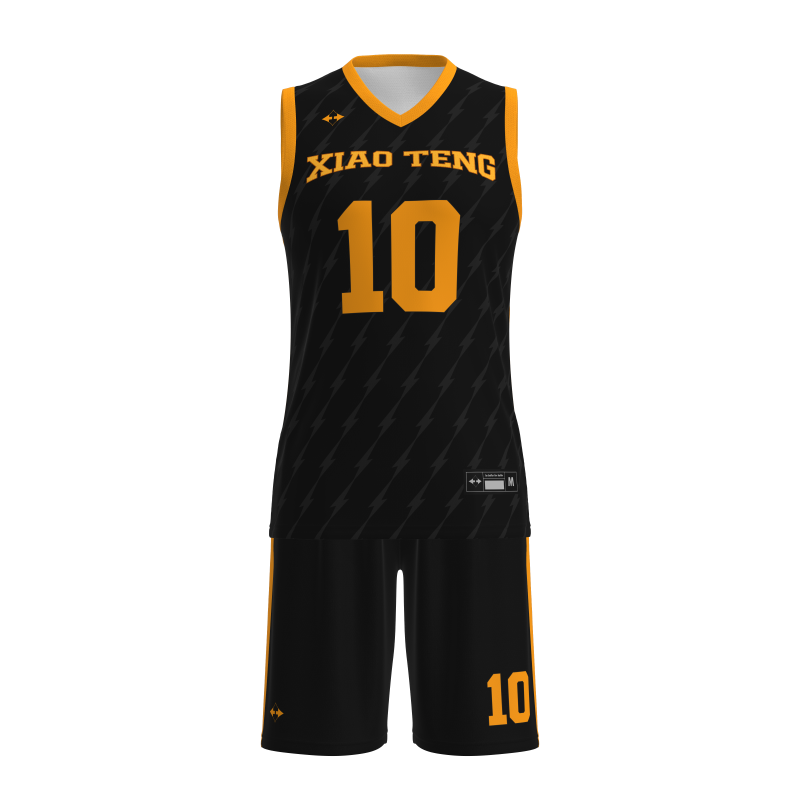
Below, we break down the factors that actually matter when comparing options—so you can make a decision based on evidence, not just a sales pitch.
1. Ask for Samples—Test the Fabric Yourself
The easiest way to judge a manufacturer's quality is to feel it. Reputable suppliers will send fabric swatches or even a sample jersey in your size, no strings attached. When you get it, check three things: how heavy the fabric feels (too light = flimsy), how the colors look under normal light (not just on a screen), and how the seams are constructed (flatlock vs. basic overlap).
If you're serious about an order, wash the sample 5–10 times and see what happens. Does the color fade? Do the seams hold? Does the fabric stretch out? This real-world test tells you more than any spec sheet. Suppliers who hesitate to send samples are telling you something—they know their product won't stand up to scrutiny.
2. Compare Lead Times—and Build in Buffer
Every supplier will tell you their lead time. The question is whether they actually hit it. When comparing options, ask for the full breakdown: how long does design approval take? How long for sampling? How long for production? How long for shipping?
Most quality manufacturers quote 4–8 weeks for production after design approval. But peak season (August–September for fall sports) can stretch that to 10–12 weeks. Ask what their contingency is if a batch goes wrong—do they prioritize rush orders, or does your order get bumped? A supplier that's upfront about their capacity limits is usually more reliable than one who promises everything is "fast."
3. Check Their Design and Customization Capabilities
Not every manufacturer can handle every design. Some only do basic screen printing on simple jerseys. Others offer full sublimation, embroidery, and complex multi-panel designs. If you want custom patterns, gradients, or detailed sponsor logos, make sure the supplier can actually deliver—don't just take their word for it.
Ask to see their portfolio. Look at real orders they've completed, not just marketing photos. Can they match your club's exact Pantone colors? Do they handle in-house design, or outsource it? In-house teams tend to be faster and more responsive. Also ask about revision rounds—how many times can you tweak the design before production starts?
4. Compare Total Cost, Not Just Per-Unit Price
The cheapest quote per jersey isn't always the cheapest overall. When comparing pricing, ask what's included: is design consultation free? Are samples included? Does the price cover shipping? What about embroidery vs. sublimation—is that extra?
A supplier that's $2 more per jersey but includes free design work, free samples, and reliable delivery might be a better deal than the cheapest option that nickel-and-dimes you on everything. Also ask about volume discounts: how does the per-unit price drop at 50, 100, 200 pieces? If you're ordering for multiple teams, consolidating one big order usually saves money across the board.
5. Check Minimum Order Quantities (MOQs)
Some manufacturers require you to order 100+ pieces per design. Others will do smaller runs. If you're a small program (one team, 15–20 players), a high-MOQ supplier means you're stuck over-ordering—extra inventory sitting in a closet, money tied up in jerseys you don't need.
Ask about MOQs upfront. Also ask: can you reorder the same design later without hitting a new MOQ? Good suppliers keep your design files on record, so a reorder of 10–20 replacement jerseys is quick and easy. Suppliers that make you re-order the full minimum every time aren't worth the hassle.
6. Gauge Communication Speed and Responsiveness
This is a small thing during the sales process, but it tells you everything about how they'll handle your order. How fast do they reply to emails? Do they answer questions clearly, or give vague responses? When you ask for something specific, do they follow up with details?
If a supplier takes 3 days to reply to your initial inquiry, that's what it'll be like when you have a problem mid-production. You want someone who responds within 24 hours, keeps you updated on order progress, and proactively flags issues before they become crises.
7. Ask About Their Quality Control and Return Policy
Mistakes happen—wrong color, misprinted logo, a seam that splits. The question is: what does the supplier do about it? Ask about their QC process: do they inspect every batch before shipping? Do they take photos for you to approve?
Also ask about returns and replacements. If 5 jerseys come in the wrong size, how fast can they swap them? If a logo is misprinted, do they fix it for free? A supplier that stands behind their product—with clear, written policies—takes the risk out of ordering. Suppliers who say "all sales final" or make it hard to get replacements are the ones to avoid.
FAQ
What's the single biggest mistake buyers make when choosing a manufacturer?
Going with the cheapest quote without testing samples or checking references. Cheap per-unit sounds great, but if the fabric fades after 10 washes or the supplier misses your deadline by 3 weeks, you've lost more money than you saved. Always test samples before committing to a bulk order.
How can I verify a manufacturer's reliability?
Ask for references from similar programs—other schools, clubs, or teams they've worked with. Reach out and ask: did they hit the deadline? How's the quality held up? Did the supplier respond quickly when something went wrong? Real customer feedback is worth more than any sales brochure.
Should I work with a local supplier or an overseas manufacturer?
It depends on your order size, timeline, and customization needs. Local suppliers are convenient for small, quick orders and easy to meet in person. Overseas manufacturers—especially those with established export experience—typically offer better pricing at volume, wider customization options, and more mature production capacity for complex designs. Many overseas suppliers now handle English communication smoothly and provide full design support remotely, making the partnership straightforward even across time zones. The right choice comes down to comparing samples, lead times, and total cost—not just location.
Table of Contents
- 1. Ask for Samples—Test the Fabric Yourself
- 2. Compare Lead Times—and Build in Buffer
- 3. Check Their Design and Customization Capabilities
- 4. Compare Total Cost, Not Just Per-Unit Price
- 5. Check Minimum Order Quantities (MOQs)
- 6. Gauge Communication Speed and Responsiveness
- 7. Ask About Their Quality Control and Return Policy
- FAQ