
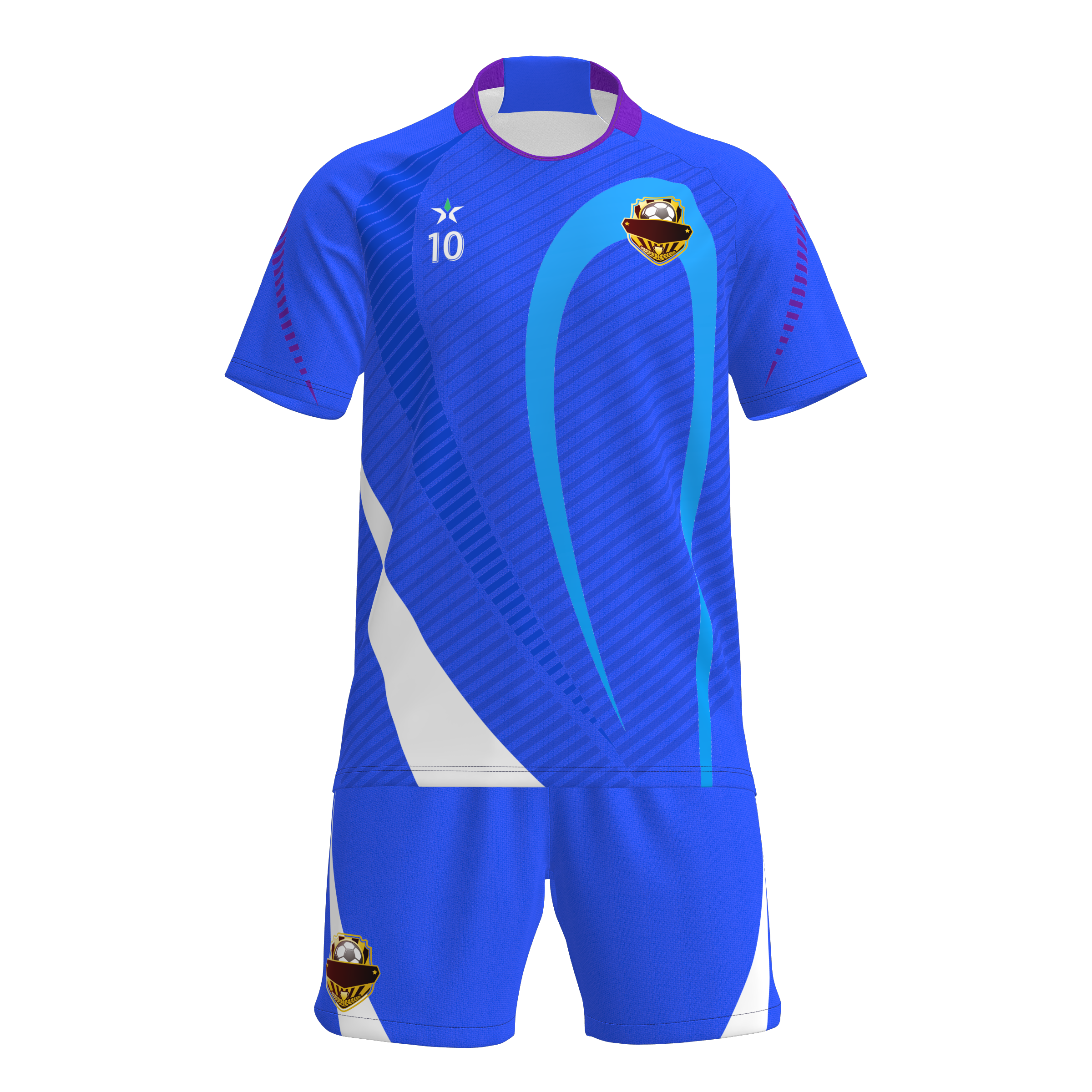
Training kits represent a cornerstone investment for any organized sports program committed to year-round excellence. Whether managing a youth league, collegiate athletic department, or professional franchise, training kits streamline the process of outfitting athletes while maintaining consistent brand identity and performance standards throughout all seasons. The strategic implementation of training kits directly impacts team cohesion, athlete preparedness, and organizational efficiency in ways that extend far beyond simple uniform management.
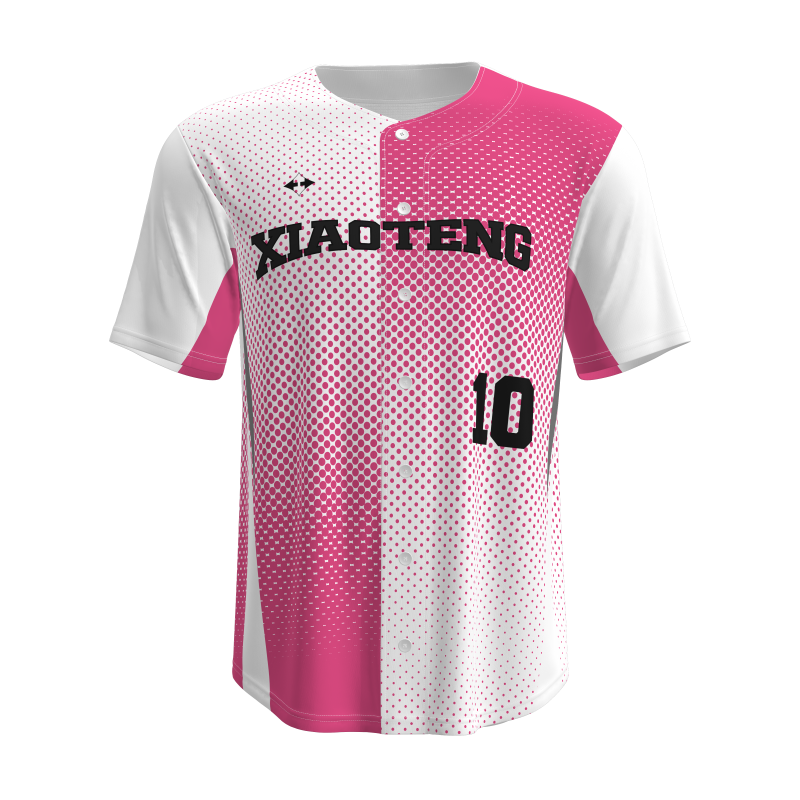
Year-round teamwear planning requires foresight, coordination, and reliable solutions that can adapt to changing weather, competition schedules, and athlete needs. Training kits provide this flexibility by combining multiple garment components specifically designed for practice, conditioning, and tournament preparation. Rather than scrambling to source apparel mid-season or settling for mismatched inventory, sports programs benefit from establishing comprehensive training kits that evolve with each phase of the athletic calendar.
The Role of Training Kits in Seasonal Periodization
Aligning Training Kits with Competition Cycles
Effective sports management recognizes that training kits must align with the periodized structure of athletic seasons. Early-season training kits emphasize durability and comfort for high-volume conditioning work when athletes focus on building fitness foundations. Mid-season training kits shift emphasis toward performance optimization and quick-dry technologies that support intense skill development. Late-season training kits often incorporate features that support injury prevention and recovery, recognizing that accumulated fatigue requires specialized garment support. By rotating training kits throughout the year, programs ensure that apparel specifications match the physiological demands and psychological focus of each training phase.
Inventory Management Benefits of Coordinated Training Kits
Planning ahead with training kits eliminates last-minute purchasing decisions that inflate costs and compromise quality. When sports programs establish a yearly training kits calendar, procurement teams can negotiate better pricing, manage delivery schedules efficiently, and maintain quality control across all ordered items. This proactive approach to training kits reduces waste from overstocking slow-moving items and prevents the emergency purchases that typically occur when existing inventory deteriorates unexpectedly. Organizations that commit to structured training kits planning report significant reductions in per-athlete spending while simultaneously improving apparel longevity and athlete satisfaction.
Performance and Psychological Impact of Consistent Training Kits
Building Team Identity Through Training Kits
Training kits serve as visual representations of team identity, fostering belonging and accountability among athletes. When every team member wears coordinated training kits during practice sessions, the psychological distinction between casual activity and purposeful training becomes tangible. This visual unity reinforces coaching messages about professionalism and commitment while creating social cohesion that translates directly into improved team chemistry. Consistent training kits also simplify coaching staff communication, as equipment checks and readiness assessments become standardized processes that reduce confusion during critical training moments.
Enhanced Comfort and Reduced Injury Risk
High-quality training kits designed for specific sports movements support natural biomechanics and reduce friction-related injuries common in poorly fitting apparel. Specialized training kits featuring moisture-wicking fabrics, reinforced seam construction, and anatomically designed patterns protect skin integrity during high-volume training sessions. Athletes wearing properly designed training kits recover faster between intense efforts, suffer fewer chafing injuries, and maintain consistent body temperature regulation throughout extended practice periods. The cumulative effect of injury reduction through thoughtful training kits selection translates into improved attendance rates, better training compliance, and enhanced performance progression across the entire roster.
Strategic Considerations for Training Kits Implementation
Climate and Environmental Adaptation in Training Kits Selection
Year-round teamwear planning demands that training kits address the unique environmental challenges of different seasons and geographic locations. Programs operating in regions with dramatic seasonal temperature variations require distinct training kits for summer heat adaptation and winter cold-weather performance. Coastal regions with high humidity necessitate training kits emphasizing moisture management, while indoor-focused sports require training kits optimized for climate-controlled environments. By deliberately selecting training kits that address specific environmental conditions, sports programs maximize athlete comfort, minimize temperature-related performance fluctuations, and reduce the risk of environmental stress injuries.
Budget Optimization and Long-Term Investment in Training Kits
Strategic investments in quality training kits demonstrate significantly lower cost-per-wear metrics compared to frequent replacement of lower-quality alternatives. Programs that establish annual training kits budgets based on realistic usage projections avoid the trap of inadequate funding that forces compromises on athlete welfare. When training kits are selected for durability, ease of maintenance, and technical performance, organizations typically recover their initial investment within two to three seasons through reduced replacement frequency. Factoring maintenance costs, expected fabric degradation timelines, and athlete growth patterns into training kits planning ensures sustainable long-term budgeting that supports program growth without sacrificing quality or creating resource constraints.
FAQ
How often should training kits be replaced across a full year?
Replacement frequency for training kits depends on usage intensity, fabric quality, and maintenance practices. Most quality training kits withstand 12 to 24 months of consistent weekly practice use before showing significant performance degradation. High-intensity programs using training kits 5 to 6 days per week may require annual replacement cycles, while recreational programs might extend training kits lifespan to 18 to 24 months. Establishing a replacement schedule within your training kits planning prevents situations where athletes train in deteriorated apparel that compromises comfort and performance.
What are the essential components of a comprehensive training kits system?
Effective training kits typically include practice jerseys, moisture-wicking shorts or pants, performance socks, compression layers for cold-weather training, and specialized footwear guidance aligned with sport-specific demands. Many programs expand their training kits to include layering pieces for transitional seasons, thermal base layers for winter conditions, and lightweight options for summer heat adaptation. Building training kits around a cohesive color scheme and design aesthetic ensures visual consistency even as specific components rotate seasonally. Consulting with coaching staff about training kits requirements ensures that selected items support actual practice scenarios rather than theoretical needs.
Can training kits improve athlete retention in youth sports programs?
Yes, well-designed training kits significantly enhance retention rates by making athletes feel valued and professionally supported. Young athletes wearing quality training kits experience improved comfort during practice, enhanced team belonging, and reduced embarrassment about appearance compared to programs with mismatched or worn apparel. Programs that invest in attractive training kits demonstrate organizational professionalism that parents and athletes interpret as commitment to athlete development and safety. The psychological benefit of wearing coordinated training kits often proves as important as the functional performance benefits, particularly among youth and recreational participants evaluating whether to continue program participation.