
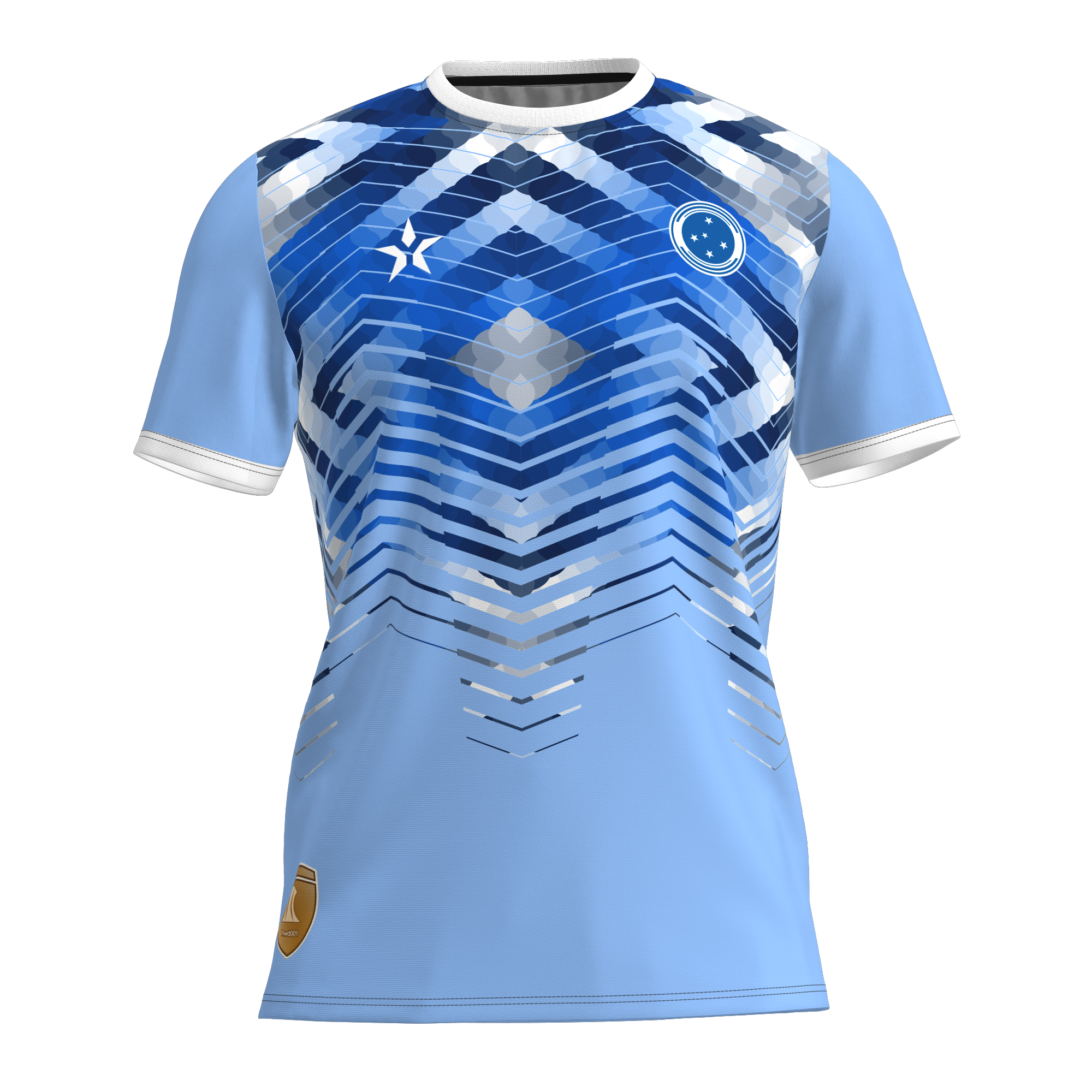
The performance of custom sportswear depends fundamentally on the decisions made during material selection. Fabric choices custom sportswear represent one of the most critical factors determining how an athlete experiences comfort, mobility, and durability during intense physical activity. Whether you're outfitting a team or designing personal athletic gear, understanding how specific fabric choices custom sportswear influence breathability and longevity will directly impact player satisfaction and equipment longevity. The intersection of breathability and durability defines high-performance sportswear, and fabric choices custom sportswear are the primary lever for achieving this balance.
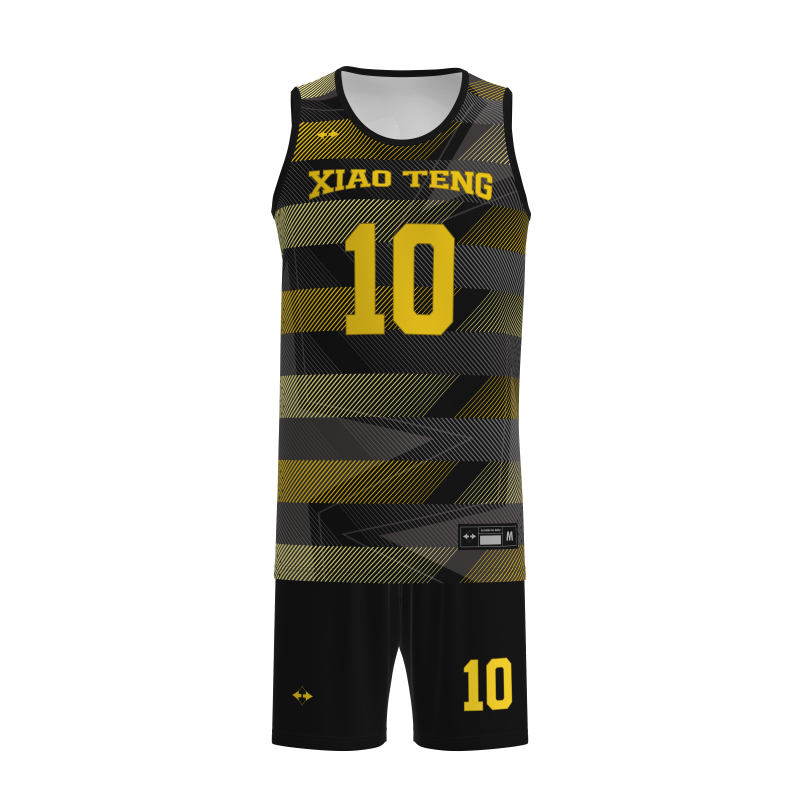
Modern fabric choices custom sportswear have evolved dramatically over the past decade, offering athletes and teams unprecedented options for tailoring gear to specific performance requirements. The science behind fabric choices custom sportswear involves understanding fiber composition, weave structure, and finish treatments that collectively determine moisture management, air circulation, and resistance to wear. Teams investing in custom apparel must evaluate how different fabric choices custom sportswear will perform under game conditions, repeated washing, and seasonal variations. This guide explores the practical relationship between fabric choices custom sportswear and the dual outcomes of breathability and durability that matter most to serious athletes.
Understanding Breathability in Fabric Choices Custom Sportswear
How Fabric Structure Enables Air Circulation
Breathability in fabric choices custom sportswear is determined by pore size, fiber density, and weave pattern. Fabrics with larger pores allow air to move more freely through the material, preventing heat buildup and reducing the clammy feeling that occurs when moisture becomes trapped against skin. Mesh weaves and open-construction fabrics exemplify how fabric choices custom sportswear can maximize airflow. The relationship between breathability and comfort becomes even more important in high-intensity sports where athletes generate significant body heat. Fabric choices custom sportswear that incorporate mesh panels or perforated sections enable strategic ventilation in areas where athletes perspire most heavily.
Moisture-Wicking Properties and Performance
Moisture-wicking capability represents a key distinction in fabric choices custom sportswear, separate from simple breathability. Synthetic fibers like polyester excel in this area because they have low moisture absorption compared to natural fibers. Fabric choices custom sportswear made from performance polyester pull sweat away from skin and spread it across a larger surface area, allowing faster evaporation. This active moisture management becomes critical during competitive play when athletes cannot simply stop to dry off. Teams selecting fabric choices custom sportswear for basketball, soccer, or other high-sweat sports must prioritize moisture-wicking properties. Blended fabrics that combine synthetic and natural fibers offer fabric choices custom sportswear that balance breathability with other performance factors.
Durability Factors in Fabric Choices Custom Sportswear
Impact of Fiber Type and Weight
Durability in fabric choices custom sportswear depends significantly on fiber composition and fabric weight. Heavier-weight polyester provides greater resistance to pilling, snagging, and tear initiation compared to lightweight alternatives. Fabric choices custom sportswear using virgin polyester fibers generally outperform recycled content in terms of abrasion resistance and color retention. The relationship between weight and durability in fabric choices custom sportswear is not linear, however; excessively heavy fabrics sacrifice breathability without proportional durability gains. Teams must balance fabric weight carefully within their fabric choices custom sportswear specifications. Higher denier ratings within polyester blends improve durability while maintaining the breathability that athletes demand.
Stress Points and Construction Quality
Custom sportswear experiences concentrated stress at seams, armholes, and areas of repeated motion. Fabric choices custom sportswear must consider not only the material itself but also how the construction manages these high-stress zones. Double-stitching, reinforced seams, and strategic material layering protect the integrity of fabric choices custom sportswear under game conditions. The fabric choices custom sportswear that perform longest typically employ lighter weight in primary wearing areas combined with reinforced construction at stress points. Teams implementing custom designs should understand that fabric choices custom sportswear alone cannot guarantee durability; manufacturing technique is equally important. Quality finishing processes, such as hemming and edge treatment, extend the lifespan of fabric choices custom sportswear significantly.
Balancing Breathability and Durability Through Fabric Selection
Trade-Offs and Design Optimization
Fabric choices custom sportswear often require compromise between maximum breathability and maximum durability. The most breathable open-mesh fabrics may not withstand aggressive laundering as well as tightly woven alternatives. Smart fabric choices custom sportswear use zoning strategies where mesh or perforated sections appear in high-ventilation areas while denser materials protect high-stress zones. This sectional approach to fabric choices custom sportswear delivers breathability where athletes need it most while maintaining durability where gear experiences the greatest wear. Advanced fabric choices custom sportswear innovations now allow designers to achieve both properties simultaneously through specialized fiber treatments and hybrid constructions. Understanding the specific sport, climate, and player intensity level informs optimal fabric choices custom sportswear.
Seasonal and Environmental Considerations
The ideal fabric choices custom sportswear for indoor basketball differs significantly from fabric choices custom sportswear suited for outdoor soccer or spring training. Temperature, humidity, and sweat volume all influence which fabric choices custom sportswear perform best. Cold-weather fabric choices custom sportswear may prioritize moisture management and insulation slightly above maximum airflow. Summer fabric choices custom sportswear often maximize breathability even at minor expense to durability. Indoor facilities with climate control enable different fabric choices custom sportswear compared to outdoor or partially covered venues. Teams with year-round or multi-seasonal requirements benefit from developing multiple fabric choices custom sportswear specifications tailored to each season's demands.
FAQ
What fabric type provides the best breathability in custom sportswear?
Performance polyester with mesh construction typically provides superior breathability in custom sportswear. Mesh weaves create open pathways for air circulation while synthetic fibers wick moisture efficiently. Nylon blends and specialized athletic fabrics also offer excellent breathability, though breathability performance depends on the specific weave construction and finish treatments applied to the material.
How long does custom sportswear typically last with quality fabric choices?
Well-constructed custom sportswear using durable performance fabrics can last 3-5 years with proper care and regular laundering. Durability depends on fabric choices custom sportswear, construction quality, and usage intensity. Teams that rotate apparel among players and follow proper washing protocols extend the lifespan significantly. Higher-quality fabric choices custom sportswear materials and reinforced construction can extend durability beyond five years.
Can lightweight custom sportswear be both breathable and durable?
Yes, modern lightweight performance fabrics achieve both properties through advanced fiber technology and construction techniques. Lightweight polyester blends with proper weave construction deliver excellent breathability while maintaining reasonable durability. Strategic reinforcement at stress points allows fabric choices custom sportswear to remain lightweight overall while protecting areas most prone to wear and tear.