
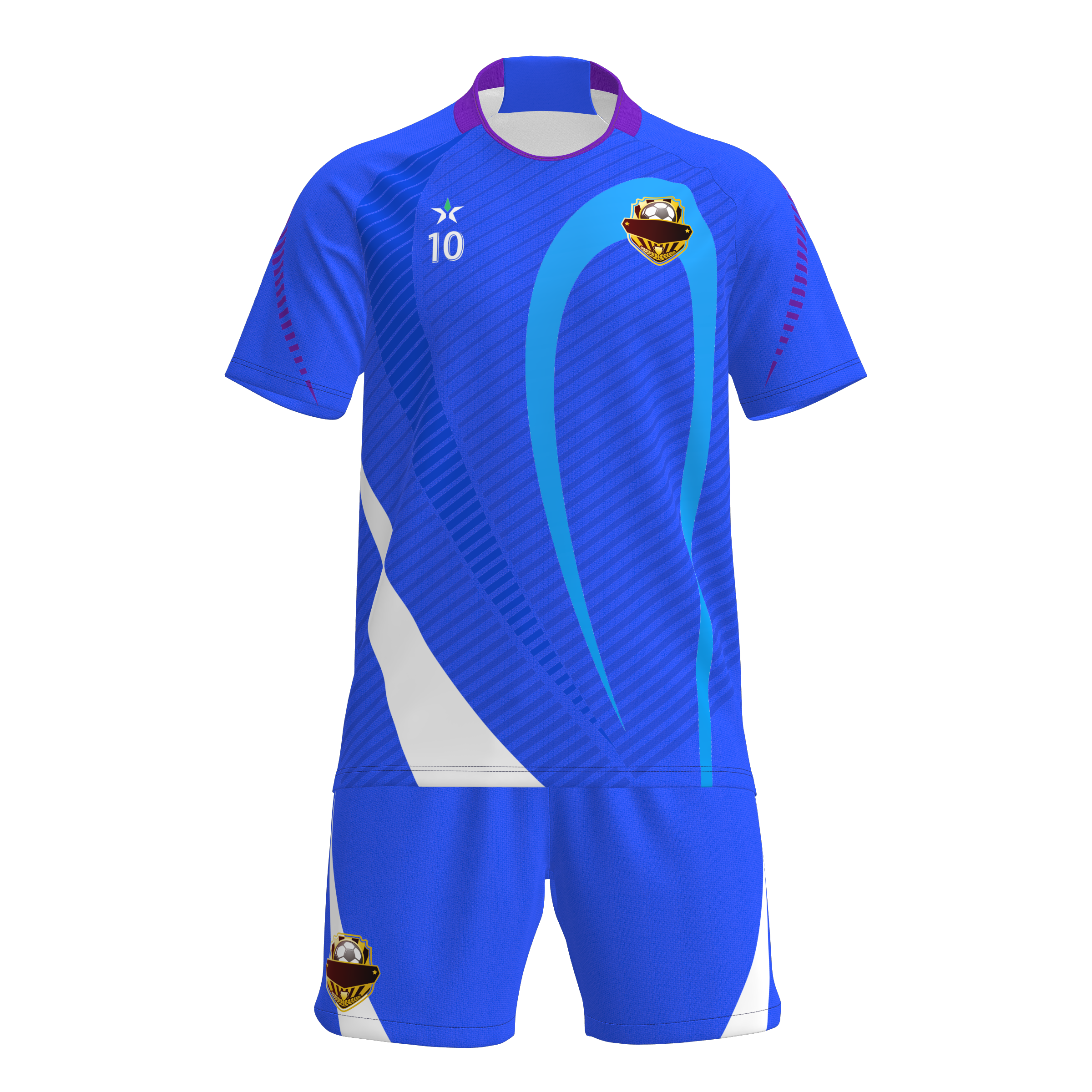
Soccer jerseys are far more than simple team uniforms. The differences in fit, fabric, and construction fundamentally impact player performance, comfort, and durability during competitive matches. Understanding these distinctions helps teams, athletes, and equipment managers make informed decisions about which soccer jerseys best serve their specific needs and playing conditions. Modern soccer jerseys have evolved dramatically from basic cotton garments into engineered performance wear designed to enhance athletic capability and manage the physical demands of the sport.
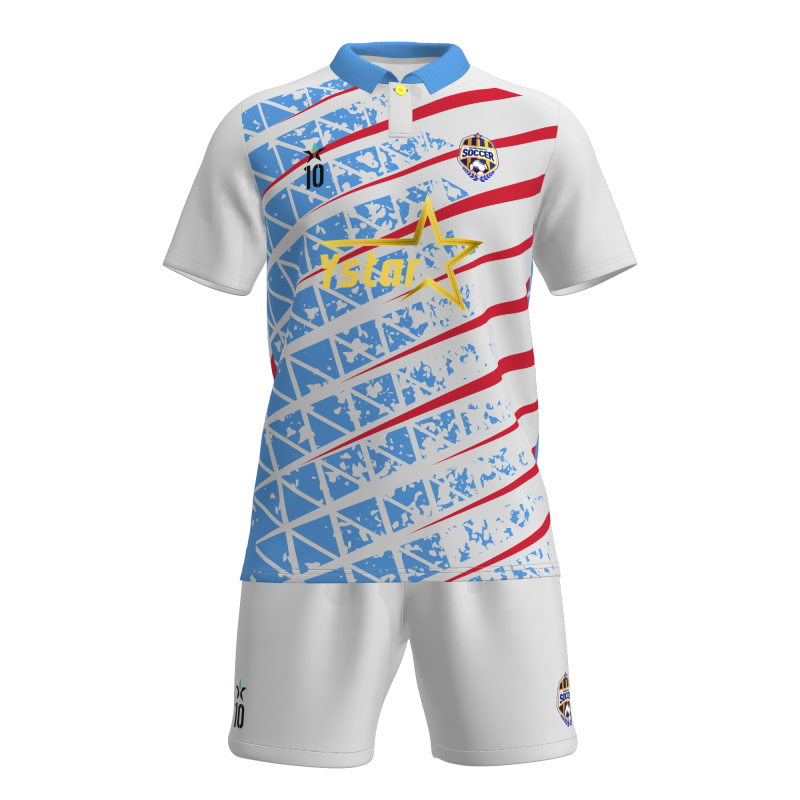
The performance characteristics of soccer jerseys extend well beyond aesthetics. Premium soccer jerseys incorporate advanced design principles that address moisture management, thermal regulation, and freedom of movement. Whether competing at professional levels or in youth leagues, the quality and specification of soccer jerseys directly influence player confidence, sweat control, and overall comfort during ninety-minute matches. This guide explores the key technical differences that distinguish high-performance soccer jerseys from standard alternatives.
Understanding Soccer Jersey Fit Specifications
Tailoring for Athletic Movement
Soccer jerseys come in multiple fit categories designed for different body types and movement preferences. Standard fit soccer jerseys provide balanced room through the torso and shoulders, allowing unrestricted arm motion during passing, shooting, and defensive actions. Slim fit soccer jerseys contour closer to the player's body, reducing excess fabric that might flap during sprints or create wind resistance during high-speed transitions. Athletic cut soccer jerseys represent a middle ground, offering a tapered waist while maintaining shoulder and chest width for powerful movements.
Size Grading and Sleeve Length Variations
Professional soccer jerseys follow standardized sizing charts that account for international variations in body proportions. Traditional soccer jerseys typically feature crew neck collars and sleeve lengths that end approximately two to three inches above the wrist, allowing unrestricted shoulder rotation during throws and overhead challenges. Some premium soccer jerseys offer extended or shortened sleeve options to accommodate different climate conditions and player preferences. The fit of soccer jerseys directly influences visibility of sponsor logos and team crests, which remains important for branding and official match requirements.
Fabric Technology and Performance Benefits
Moisture-Wicking Polyester Systems
Modern soccer jerseys predominantly use synthetic polyester blends rather than natural cotton, primarily due to superior moisture management capabilities. Technical soccer jerseys employ microfiber polyester that rapidly draws sweat from the skin surface and disperses it across the fabric, enabling faster evaporation and reducing the clammy, heavy sensation that impairs performance. High-quality soccer jerseys often incorporate advanced polyester technologies with surface treatments that enhance breathability while maintaining durability through repeated washing and competitive use. The fabric choice in soccer jerseys directly affects player thermal comfort during intense physical exertion across varying weather conditions.
Mesh Ventilation and Strategic Paneling
Premium soccer jerseys integrate strategically placed mesh panels in high-heat zones such as underarms, side ribs, and back areas where sweat accumulation peaks during match play. These ventilation features in soccer jerseys allow increased air circulation without compromising structural integrity or aesthetic appearance. Layered fabric construction in soccer jerseys combines dense polyester panels with breathable mesh sections, creating zones optimized for either temperature regulation or durability depending on the specific body area. This engineered approach to fabric placement distinguishes professional-grade soccer jerseys from basic recreational alternatives.
Construction Techniques and Durability Factors
Stitch Quality and Seam Reinforcement
The construction quality of soccer jerseys directly determines longevity and resistance to damage during physical play. Premium soccer jerseys utilize flat-lock seaming techniques that eliminate raised stitching that could cause chafing or catch during tackles and collisions. Professional-grade soccer jerseys feature double-stitched side seams and reinforced shoulder yokes designed to withstand the stress from throwing, jumping, and lateral movements. The seam construction in soccer jerseys represents a critical but often overlooked distinction between investment-grade equipment and disposable alternatives that deteriorate after single-season use.
Sublimation Printing and Emblem Attachment
High-performance soccer jerseys employ sublimation printing technology, where dyes chemically bond with polyester fibers rather than sitting on the fabric surface. This construction method in soccer jerseys ensures that team crests, player numbers, and sponsor logos remain vibrant and flexible through hundreds of wash cycles and years of competitive play. Traditional screen-printed soccer jerseys experience cracking, fading, and peeling within a season, while sublimated designs maintain integrity indefinitely. The printing method chosen for soccer jerseys impacts both aesthetic durability and the overall investment value for teams and institutions.
Performance Impact During Match Conditions
Thermal Regulation and Climate Adaptation
Different soccer jerseys perform distinctly across temperature ranges and humidity levels encountered in competitive environments. Lightweight soccer jerseys with maximum mesh ventilation excel in hot, humid climates where core body temperature regulation becomes performance-limiting. Conversely, denser polyester soccer jerseys with minimal mesh provide superior wind protection and thermal retention during cold-weather matches in northern climates. Players selecting soccer jerseys for specific seasonal conditions significantly influence their comfort, injury risk, and ability to maintain intensity throughout extended matches.
Weight and Fatigue Considerations
The weight of soccer jerseys accumulates across ninety minutes of continuous movement, and heavier garments increase muscular fatigue and cardiovascular demand. Premium soccer jerseys engineered from ultralight polyester blends reduce cumulative body burden without sacrificing durability or coverage. The construction and fabric choices determining soccer jerseys' weight directly impact player stamina during second-half situations when fatigue becomes a critical performance factor. Elite programs prioritize lightweight soccer jerseys specifically because the marginal gains in energy efficiency compound across an entire season and multiple competitive seasons.
FAQ
What specific fabric blend offers the best performance for soccer jerseys?
Premium soccer jerseys typically use 100% polyester or polyester-spandex blends combining microfiber polyester with 5-10% elastane. This composition maximizes moisture-wicking capability while maintaining four-way stretch that accommodates dynamic athletic movements. Soccer jerseys with elastane content recover to original shape immediately after stretching, preventing the permanent distortion that occurs with cotton or low-quality polyester alternatives. The optimal fabric blend for soccer jerseys depends on climate conditions and match duration, but polyester-based systems consistently outperform natural fibers in moisture management and durability.
How does soccer jersey construction affect player durability and injury prevention?
Soccer jerseys constructed with flat-lock seams eliminate the raised stitching that causes abrasion injuries and skin irritation during high-contact play. Reinforced shoulder areas in soccer jerseys distribute impact forces more effectively during aerial challenges and collisions, reducing soft-tissue trauma. The fabric weight and elasticity of well-constructed soccer jerseys provide subtle support without restricting movement, which actually decreases musculoskeletal injury risk. Professional-grade soccer jerseys that incorporate proper seam reinforcement and strategic ventilation zones demonstrate measurably lower incident rates of contact-related injuries compared to basic alternatives.
Can soccer jersey fit variations impact athletic performance measurably?
Studies on soccer jerseys demonstrate that optimal fit reduces drag resistance by 3-5% during high-speed sprinting, translating to meaningful performance advantages across competitive seasons. Properly fitted soccer jerseys maintain consistent positioning during pivots and directional changes, enabling more efficient biomechanics without compensatory movements that increase injury risk. Soccer jerseys with excessive loose fabric create wind drag that accumulates across ninety minutes, while overly tight soccer jerseys restrict breathing and shoulder mobility. The fit of soccer jerseys significantly influences player confidence and comfort, which psychological factors directly correlate with decision-making quality and tactical execution during matches.