
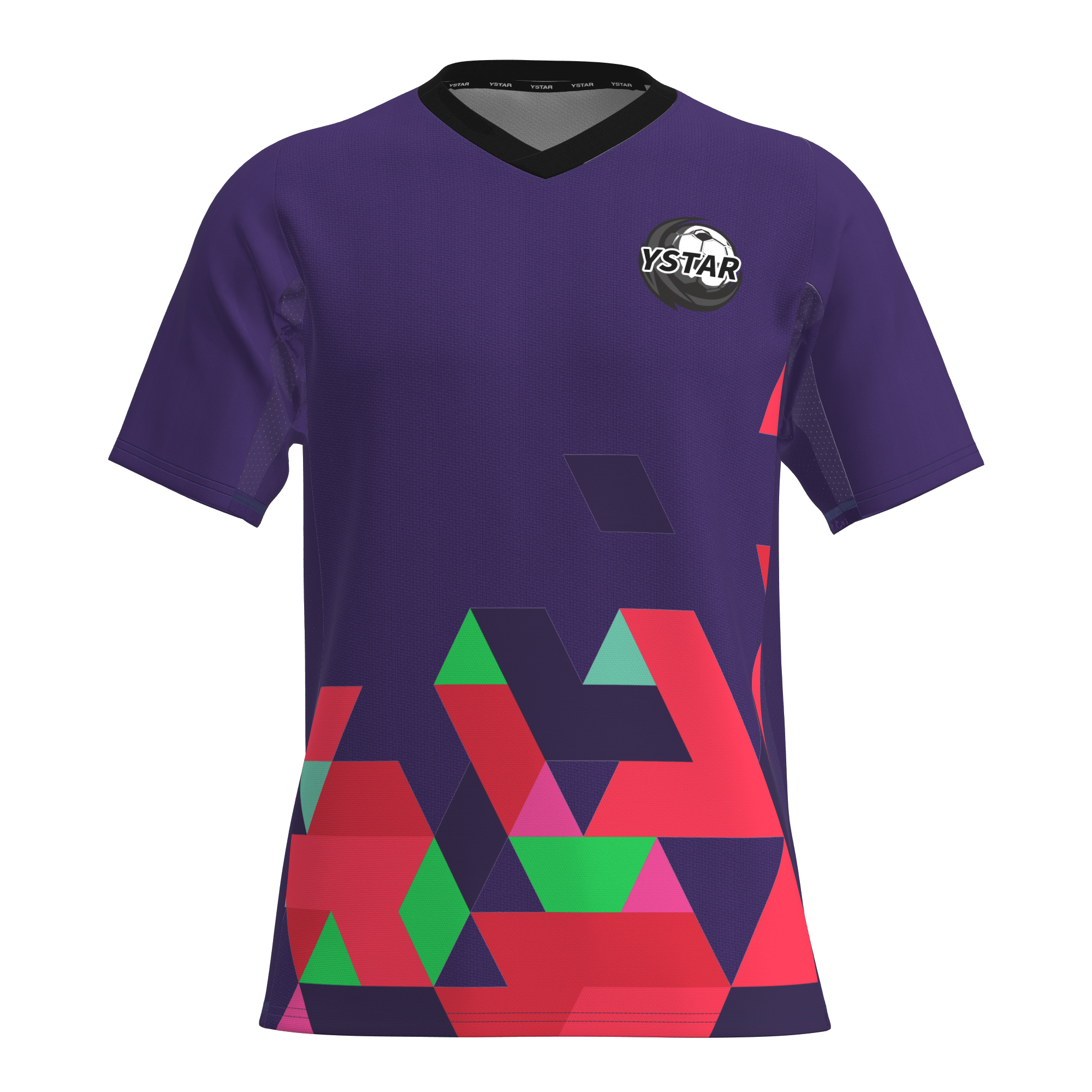
Football jersey design represents one of the most critical decisions for organizations managing multiple age groups and competitive levels. When clubs, schools, or leagues operate both adult squads and youth development programs, the challenge of creating unified visual identity while accommodating different physical requirements becomes paramount. The solution lies not in compromising either group, but in understanding how modern football jersey design can serve dual purposes through strategic sizing, modular customization, and thoughtful material selection that addresses the unique needs of both populations.
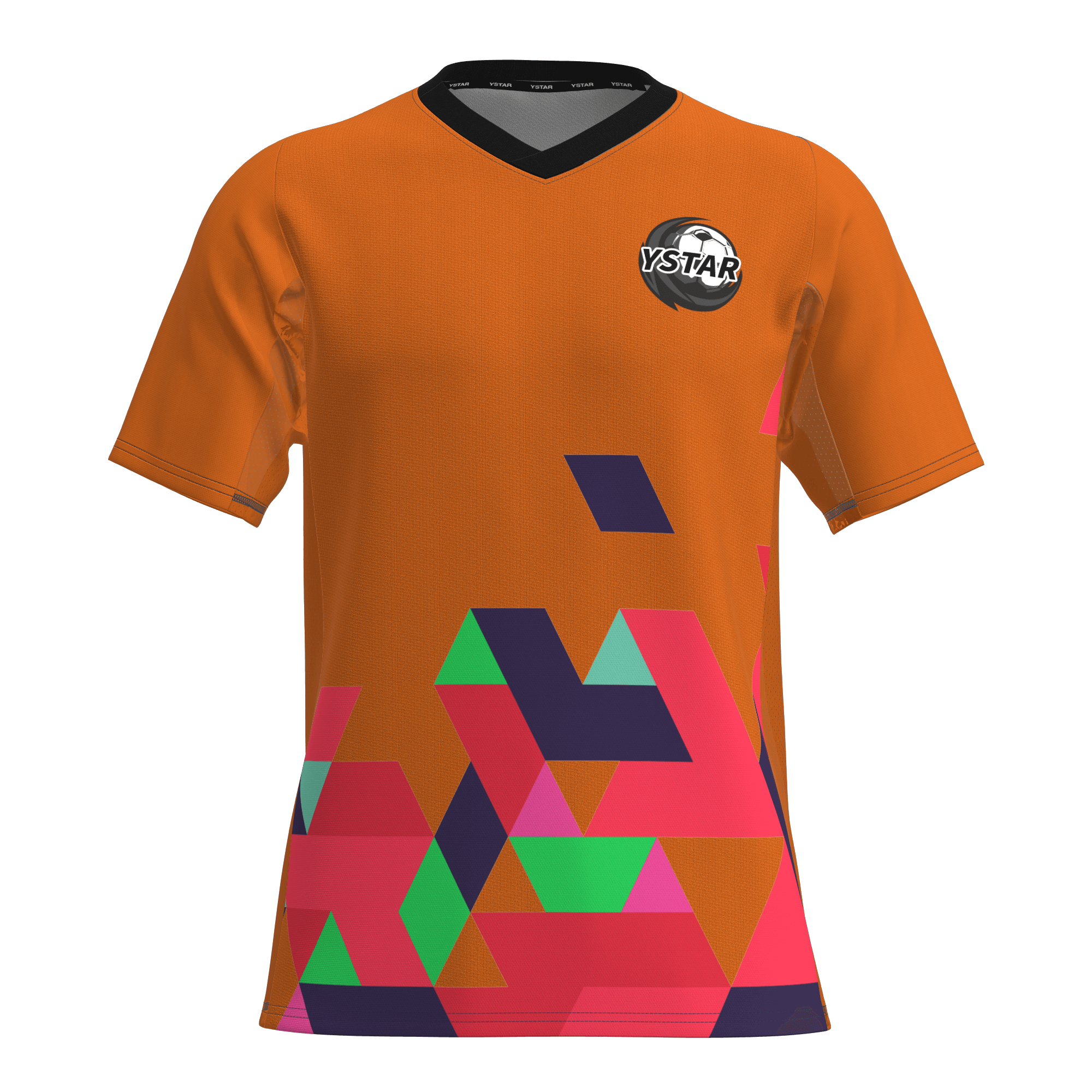
The practical reality of modern football jersey design demands a framework that acknowledges physiological differences while maintaining brand consistency. Organizations that successfully implement dual-purpose football jersey design achieve measurable benefits including simplified inventory management, reduced production costs, and stronger team cohesion across age groups. This approach transforms what appears to be a constraint into a strategic advantage, enabling seamless transitions for young athletes progressing into senior programs while maintaining visual recognition throughout their development journey.
Understanding Sizing and Fit Requirements in Football Jersey Design
Proportional Differences Across Age Groups
Football jersey design must account for fundamental anatomical variations between youth and adult athletes. Youth players typically have proportionally longer limbs relative to torso length, narrower shoulders, and different growth trajectories than adults. These differences significantly impact how a football jersey design fits and performs during competitive play. Adult athletes require broader chest accommodations, longer sleeve lengths relative to body proportions, and different fabric distribution patterns. When designing football jersey design that serves both populations, manufacturers must establish size matrices that reflect these proportional variations rather than simply scaling down or up from a single template.
Stretch and Recovery Characteristics
Material performance becomes critical when football jersey design must work across different body types and activity intensities. Youth athletes often engage in less intense physical contact but require greater durability against frequent washing and gear maintenance. Adult competitive players demand enhanced breathability, moisture-wicking capabilities, and recovery properties that support high-intensity performance. Effective football jersey design incorporates fabric blends that deliver consistent performance characteristics whether worn by a developing thirteen-year-old or an elite adult athlete. The fabric weight, elastane percentage, and yarn construction directly influence whether a football jersey design achieves success across both markets simultaneously.
Customization Strategies for Unified Brand Identity
Modular Design Elements in Football Jersey Design
The most successful implementations of football jersey design for dual audiences employ modular customization that maintains visual consistency while allowing age-appropriate adjustments. This approach separates structural design from decorative elements, enabling teams to apply identical logo placement, color schemes, and design patterns to both youth and adult versions of football jersey design. Sleeve badges, chest emblems, and shoulder detailing can remain identical across all sizes while the foundational cut, armhole depth, and body contours adapt to specific age groups. Organizations leveraging this football jersey design strategy report stronger brand recognition and simplified decision-making processes when deploying new team designs across their entire organizational structure.
Number and Text Placement Flexibility
Football jersey design requires careful consideration of number and text placement that remains visually balanced across vastly different body proportions. A number that appears correctly scaled on a forty-two-inch chest looks disproportionately large on a youth player wearing a twenty-eight-inch chest size. Progressive football jersey design practices establish proportional placement guidelines where number size, text positioning, and sleeve graphics scale appropriately to garment dimensions. This ensures that when young athletes wear youth versions and adult players wear senior versions of the same football jersey design template, the overall aesthetic maintains intentional visual hierarchy and professional appearance regardless of wearer size.
Production Efficiency and Cost Optimization Through Football Jersey Design
Streamlined Manufacturing Processes
Implementing unified football jersey design specifications across adult and youth productions dramatically simplifies manufacturing workflows and reduces tooling expenses. When production facilities operate from a single master pattern adapted through size grading rather than developing entirely separate designs, they achieve superior consistency and faster turnaround times. Coordinated football jersey design enables bulk purchasing of identical materials, thread colors, and hardware components scaled across different production runs. This consolidation approach allows organizations to negotiate better supplier relationships and material pricing while maintaining complete control over quality standards. The football jersey design framework becomes a manufacturing asset rather than a constraint, delivering cost advantages that extend to end-users through competitive pricing structures.
Inventory Management and Stock Rotation
Strategic football jersey design planning enables integrated inventory systems where youth and adult stock management operate from unified systems rather than competing for warehouse resources. Organizations implementing coordinated football jersey design report twenty to thirty percent reductions in dead inventory through improved demand forecasting and simplified reorder processes. When youth and adult versions share the same design foundation, merchandising becomes more flexible, and seasonal stock adjustments affect smaller overall inventory volumes. This efficiency directly supports organizations operating on constrained budgets by freeing capital that previously went to excess stock, enabling reinvestment in athlete development, training facilities, or expanded programs. The football jersey design approach transforms inventory management from a logistical burden into a strategic competitive advantage.
Material Selection and Performance Specifications
Durability Standards for Developing Athletes
Youth athletes place unique demands on football jersey design through intensive washing frequencies, varied care practices, and less sophisticated handling compared to adult professionals. A football jersey design serving youth populations must demonstrate exceptional color fastness, seam integrity, and fabric stability through one hundred-plus washing cycles while maintaining stretch recovery and fit consistency. Youth-focused football jersey design implementations prioritize reinforced seam construction, premium dye-setting processes, and fabric formulations that withstand institutional laundry conditions. Simultaneously, adult athletes require materials that maintain performance during intense competitive activity, sweat exposure, and professional-grade care regimens. When football jersey design successfully bridges these requirements, it typically incorporates mid-weight fabrics with exceptional yarn quality, advanced moisture management, and superior color retention across diverse use environments.
Temperature Regulation and Environmental Adaptation
Climate conditions significantly influence football jersey design requirements, particularly when youth players often practice in varying environmental conditions while adult athletes may benefit from more controlled facility access. Youth football jersey design frequently requires greater temperature flexibility because young athletes may experience broader activity intensity ranges during practice and development sessions. Fabric construction that manages heat dissipation effectively allows single football jersey design specifications to perform adequately across youth developmental settings and adult competitive environments. Breathability standards, fabric weight distribution, and ventilation panel placement directly support this dual-purpose football jersey design performance requirement, ensuring thermal comfort regardless of age group or competitive intensity level.
FAQ
Can the same football jersey design template work for both youth and adult athletes without compromise?
Yes, modern football jersey design achieves this through strategic sizing adaptation, proportional scaling of design elements, and careful material selection that addresses both populations' requirements. The key involves establishing master design specifications that remain consistent while allowing structural adjustments through grading processes. Proportional design elements, coordinated customization approaches, and performance materials enable single football jersey design frameworks to deliver excellent results across diverse body types and age groups without sacrificing fit, appearance, or functionality.
What specific fabric characteristics matter most for dual-purpose football jersey design applications?
Effective dual-purpose football jersey design requires fabrics with excellent color retention, superior moisture-wicking capabilities, consistent stretch recovery, and durability through intensive washing. Mid-weight polyester blends incorporating elastane typically provide optimal balance between performance characteristics needed for youth development athletes and senior competitive players. The fabric should maintain structural integrity across diverse care environments while supporting comfortable movement during varied activity intensities. Testing fabric performance across both intended use environments ensures that football jersey design delivers reliable results regardless of wearer age or competitive context.
How does implementing unified football jersey design reduce operational costs for multi-level organizations?
Unified football jersey design decreases costs through consolidated material purchasing, simplified manufacturing processes, reduced tooling expenses, and optimized inventory management. Organizations operating standardized football jersey design frameworks negotiate better supplier pricing through higher-volume orders, eliminate duplicate design development expenses, and streamline production workflows. Improved inventory efficiency reduces dead stock and working capital requirements while faster manufacturing cycles support more responsive ordering patterns. These cumulative advantages make dual-purpose football jersey design economically superior to developing separate specifications for youth and adult populations.
Table of Contents
- Understanding Sizing and Fit Requirements in Football Jersey Design
- Customization Strategies for Unified Brand Identity
- Production Efficiency and Cost Optimization Through Football Jersey Design
- Material Selection and Performance Specifications
-
FAQ
- Can the same football jersey design template work for both youth and adult athletes without compromise?
- What specific fabric characteristics matter most for dual-purpose football jersey design applications?
- How does implementing unified football jersey design reduce operational costs for multi-level organizations?